Tanto si se hacen unos días de retiro centrados en los evangelios, como si se tiene la suerte de peregrinar a los santos lugares, es momento propicio para tratar de una forma más viva con el Señor y de experimentar su paso más tangible por nuestras vidas.
Enrique González apuesta por una nueva forma de comprender el Evangelio partiendo de él y no de una tradición filosófica anterior que perturbe y dificulte su mensaje.
Este completo y profundo estudio tiene como propósito exponer y evaluar la comprensión filosófica del cristianismo ofrecida por Immanuel Kant, quien no pretendió enjuiciar la verdad de las doctrinas cristianas, sino que las utilizó ampliamente para construir una "religión moral".
Poder descifrar el origen de la religión en la naturaleza humana y su fundamento en la razón es uno de los temas antropológicos más interesantes y polémicos de la modernidad.
Esta Introducción a la filosofía de la religión ofrece una amplia visión de los temas fundamentales en el debate en la filosofía contemporánea de la religión.
Desde la invención de la escritura hasta la de los dispositivos digitales -pasando por el papiro y el pergamino, la imprenta y la prensa, la fotografía y el cine, la televisión y la radio-, los medios de comunicación han ahormado la historia.
Ni ángel ni bestia, según la conocida sentencia de Blaise Pascal, el ser humano no posee una naturaleza predada y conclusa, sino una condición histórica y contingente, polifacética y ambigua.
La excelente acogida del primer volumen de Voces de la mística ha animado al autor y editor a publicar una segunda antología de textos sobre la búsqueda de lo trascendente, que ha sido una constante a lo largo de la historia en todas las épocas y culturas.
El futur de la religió és una lúcida reflexió en què Salvador Giner considera, des d'una mirada equànime, el futur previsible de les creences sobre el sobrenatural i sobre la presència de Déu en les nostres vides.
El porvenir de la religión es una lúcida reflexión en la que Salvador Giner considera, desde una mirada ecuánime, el futuro previsible de las creencias sobre lo sobrenatural y sobre la presencia de Dios en nuestras vidas.
Un ensayo provocador y que aporta perspectivas novedosas sobre las bases y las paradojas del conflicto entre Occidente e Islam, abordando temas espinosos como los ataques terroristas en París o el papel de la mujer en las dos culturas.
Byung-Chul Han busca hacer explícita la filosofía que está implícita en el budismo Zen, y lo hace a través de la comparación con los filósofos más destacados de la filosofía occidental.
Raimon Panikkar (Barcelona, 1918–Tavertet, 2010) es uno de los representantes más destacados del pensamiento intercultural y el diálogo interreligioso.
Raimon Panikkar (Barcelona, 1918-Tavertet, 2010) es uno de los representantes más destacados del pensamiento intercultural y el diálogo interreligioso.
El Comentario al texto hebreo del Antiguo Testamento de los Salmos es una obra cumbre de la exégesis, teología y aplicación pastoral del Libro de los Salmos en los últimos dos siglos.
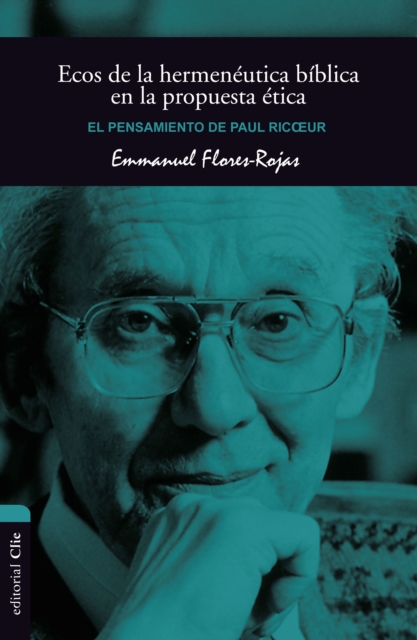
En El pensamiento de Paul Ricouer, Emmanuel Flores-Rojas, nos acerca a unos de los grandes pensadores filosóficos universales de la segunda mitad del siglo XX y principios del XXI y presenta la relación entre ciencias humanistas y las ciencias bíblicas que han sido normalmente tratadas de forma separada sin ninguna conexión.
Este libro analiza, desde una perspectiva psicogenetica, la escision esquizofrenica que define a la psiquis especifica del cristianismo (siglos I-VIII) a partir de la tension entre las figuras de Cristo, que funciona como vector simbolico-conjuntivo (eikon), y del Anticristo, que funciona como vector diabolico-disyuntivo (phantasma o eidolon).
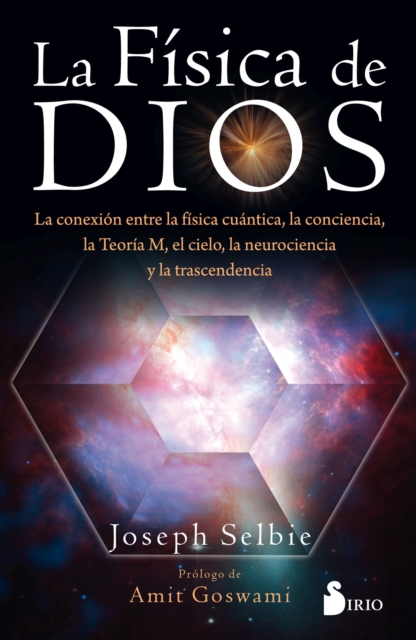
Más allá de la concepción material de la ciencia y dejando de lado el sectarismo religioso, se revela una conexión sorprendentemente clara entre la ciencia y la religión.
La inerrancia bíblica de Andrés Messmer y José Hutter señala que la doctrina de la inspiración conlleva, por lo menos, cuatro consecuencias: autoridad, claridad, necesidad y suficiencia.
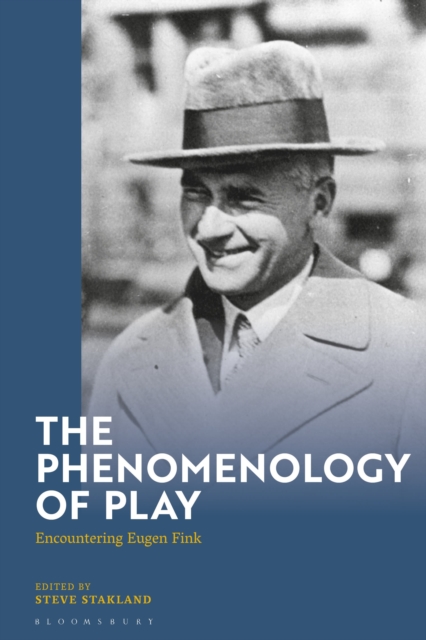
Eugen Fink's deep engagement with the phenomenon of play saw him transcend his two towering mentors, Edmund Husserl and Martin Heidegger, to become a crucial figure in early 20th-century phenomenology.
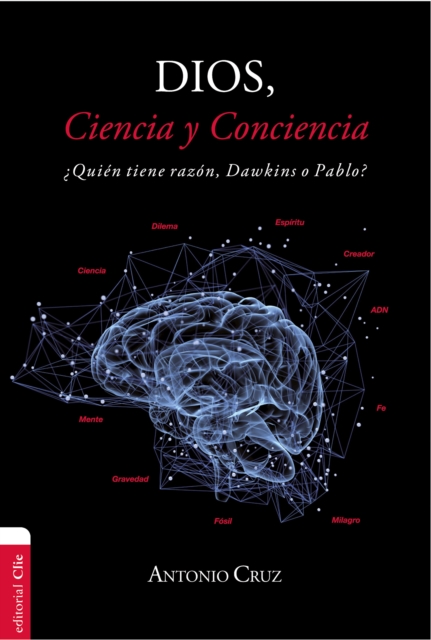
Partiendo de las palabras de Pablo Romanos 1:20: "Porque las cosas invisibles de él, (Dios) su eterno poder y deidad, se hacen claramente visibles desde la creación del mundo, siendo entendidas por medio de las cosas hechas, de modo que no tienen excusa", el autor se centra en cinco de estas "cosas hechas" o características humanas y naturales a las que la ciencia trata de dar una explicación desde la pura materialidad, pero no logra aportar una solución satisfactoria y concluyente, porque que sólo pueden ser explicadas si Dios existe: (1) la racionalidad del mundo, (2) la vida, (3) la conciencia humana, (4) el pensamiento simbólico y (5) nuestro propio "yo".
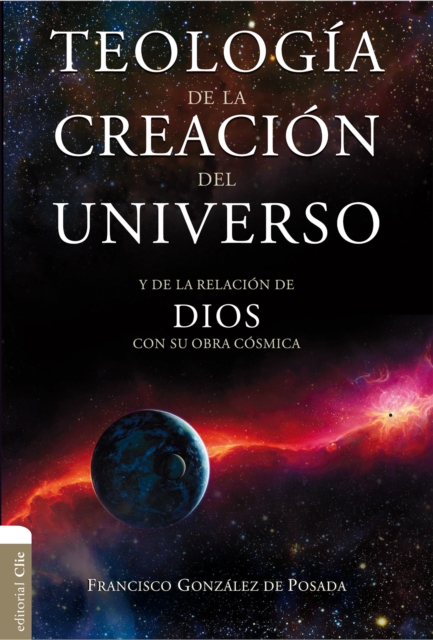
La intención de esta obra es "determinar" la naturaleza de Dios en su relación con el Universo, concretando y analizando los denominados atributos cósmicos de Dios.
Este ensayo comienza exponiendo lo que no sabemos, es decir las preguntas fundamentales que se hace el ser humano con respecto a su propia existencia y la del Universo.
Dado el papel relevante que ocupa la Biblia en la formación del cristianismo, por entender que a través de ella Dios se comunica con los seres humanos, es necesario tener una visión diáfana de su contenido, así como de su diversidad.