the bottom: a theopoetic of the streets explores homelessness; fusing theology, jazz-verse and intimate storytelling into a challenging, raw and beautiful tale.
Expanding Scriptures: Lost and Found considers what could be added to the Bible from rediscoveries of recent years, supports a new role for Mary Magdalene and looks at how it can all be reframed within the Perennial Wisdom teachings.
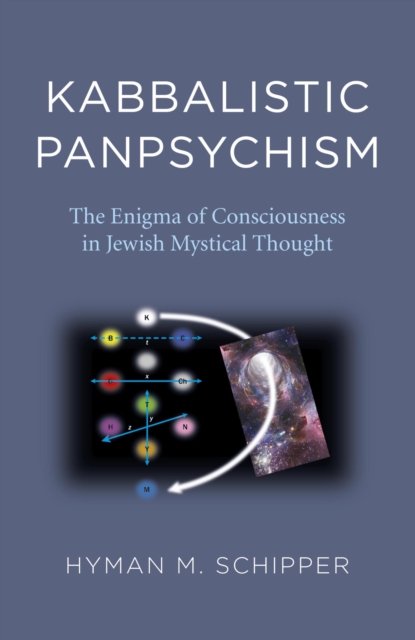
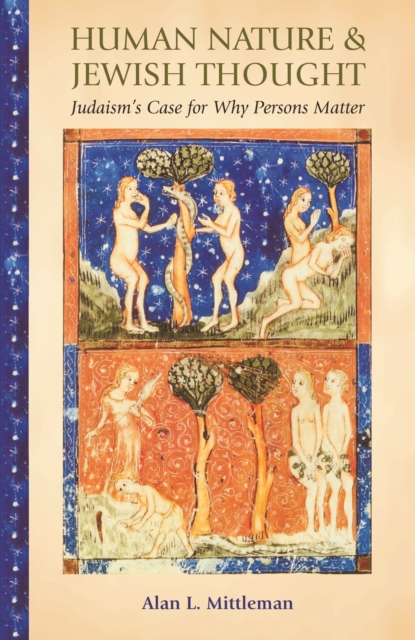
What Jewish tradition can teach us about human dignity in a scientific ageThis book explores one of the great questions of our time: How can we preserve our sense of what it means to be a person while at the same time accepting what science tells us to be true-namely, that human nature is continuous with the rest of nature?
This 2nd edition Handbook of Spinoza retains a unique focus on the biographical details of Spinoza's life, as well as essential scholarship on his influences and early critics.
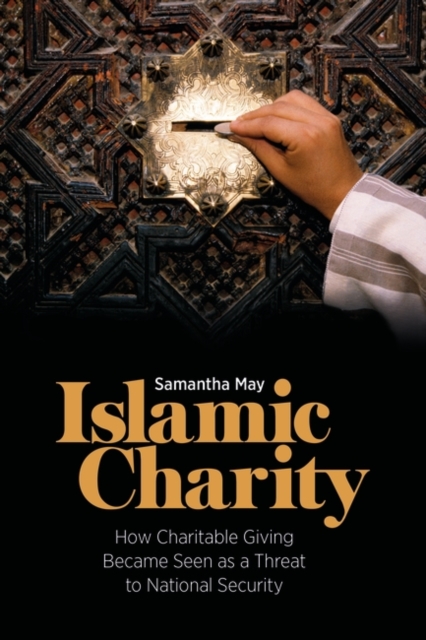
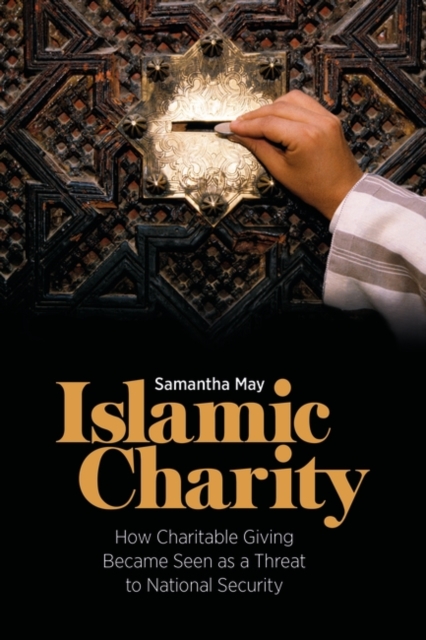
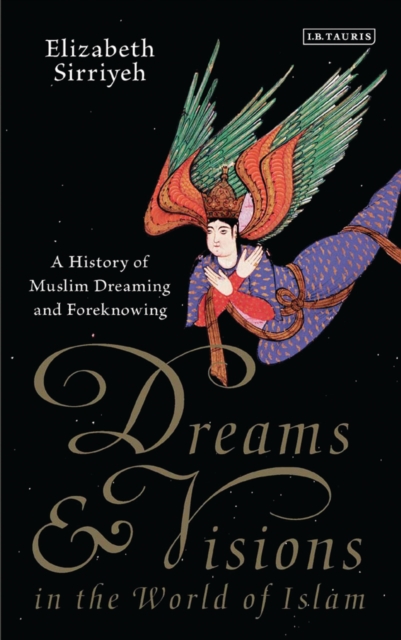
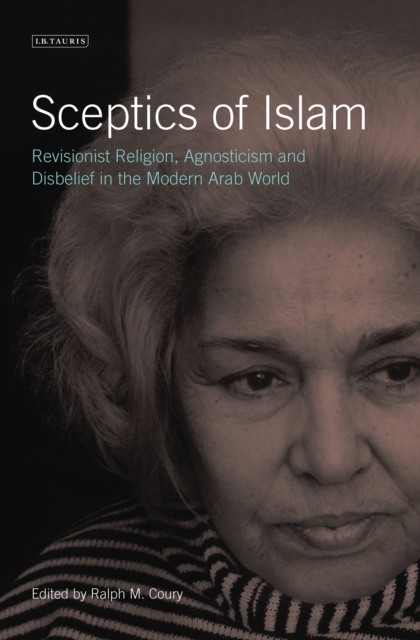
Since 9/11 and the global War on Terror, practitioners of Islam in Europe and beyond have been scrutinised and surveyed under suspicion of disloyalty and as potential disrupters of national social cohesion.
Since 9/11 and the global War on Terror, practitioners of Islam in Europe and beyond have been scrutinised and surveyed under suspicion of disloyalty and as potential disrupters of national social cohesion.
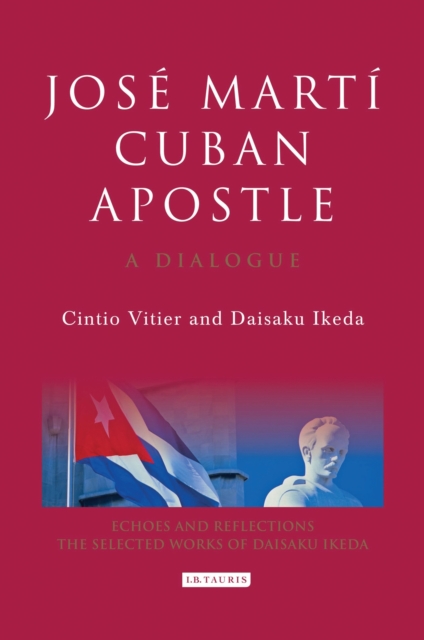
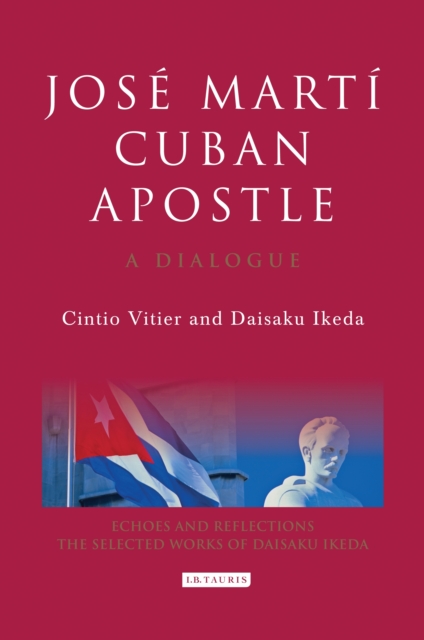
Once called 'the wellspring of the revolution' by Fidel Castro, Jose Marti (1853-1895) is revered as one of the greatest figures in the history of Cuba.
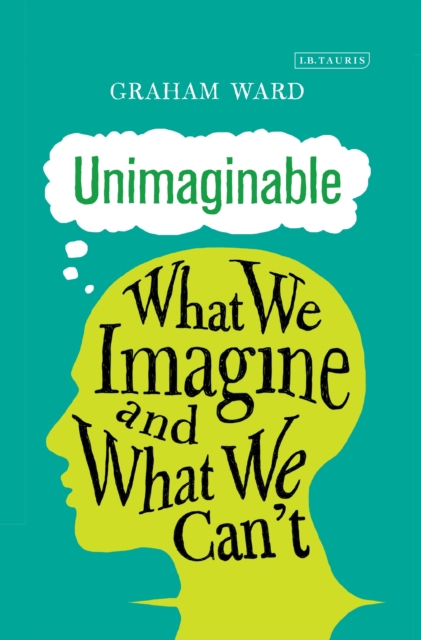
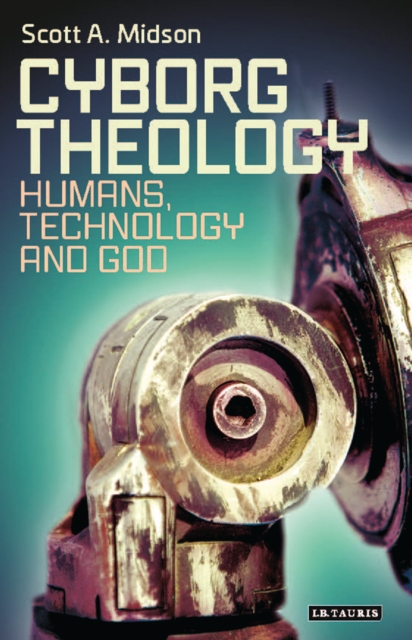
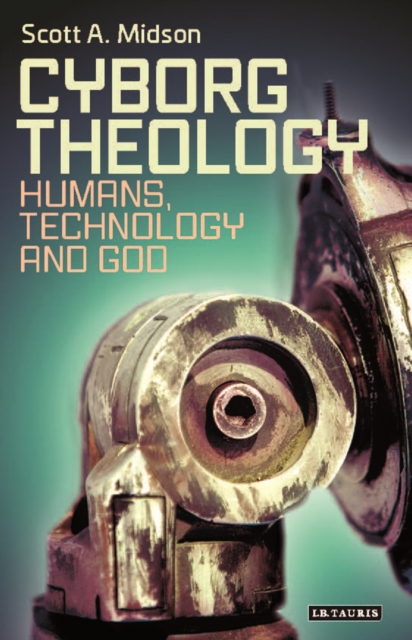
In particular, Donna Haraway argued in her famous 1991 'Cyborg Manifesto' that people, since they are so often now detached and separated from nature, have themselves evolved into cyborgs.
In particular, Donna Haraway argued in her famous 1991 'Cyborg Manifesto' that people, since they are so often now detached and separated from nature, have themselves evolved into cyborgs.
Once called 'the wellspring of the revolution' by Fidel Castro, Jose Marti (1853-1895) is revered as one of the greatest figures in the history of Cuba.
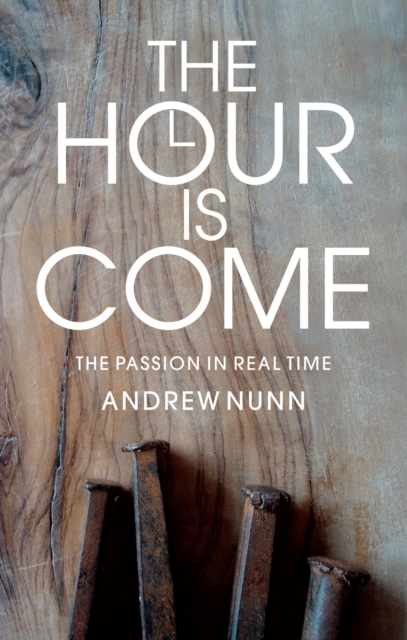
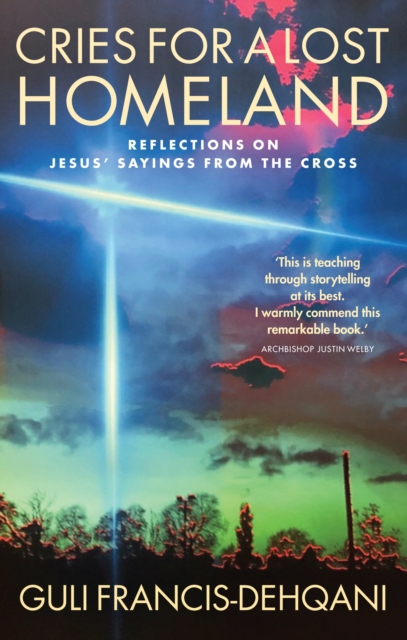
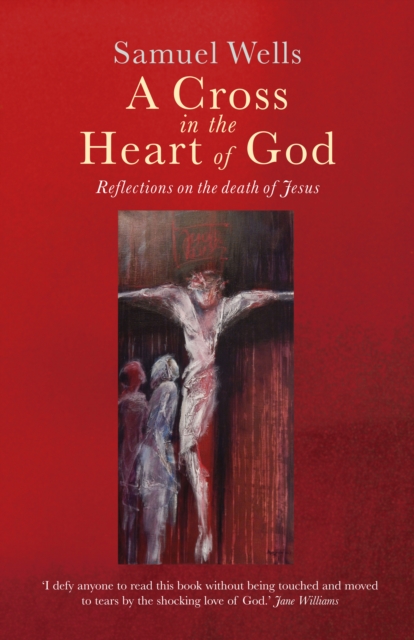
The gospel accounts change when we come to the final days of Jesus' life and for the first time we are given precise timings when things happen, 'It was night', 'the next morning', 'it was nine o'clock in the morning when they crucified him', 'it was noon', 'it was three o'clock in the afternoon'.
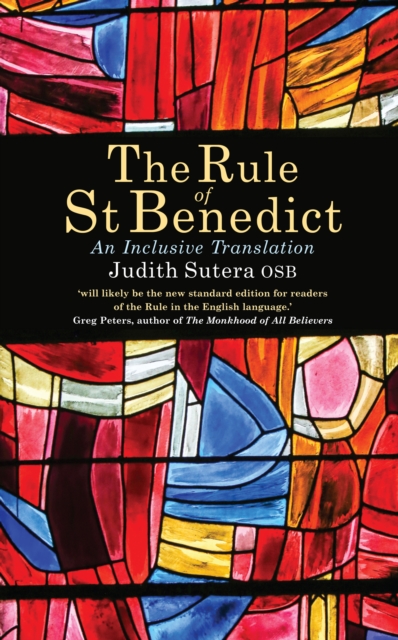
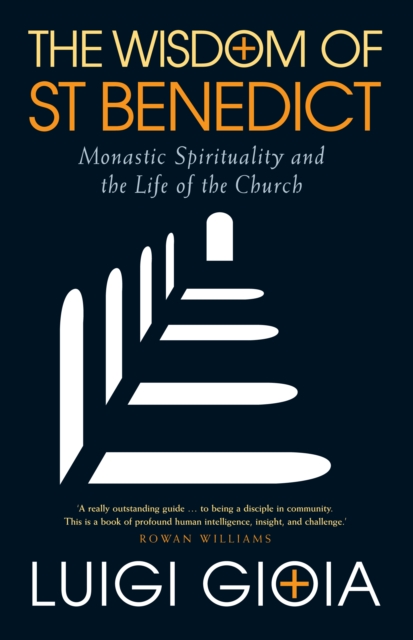
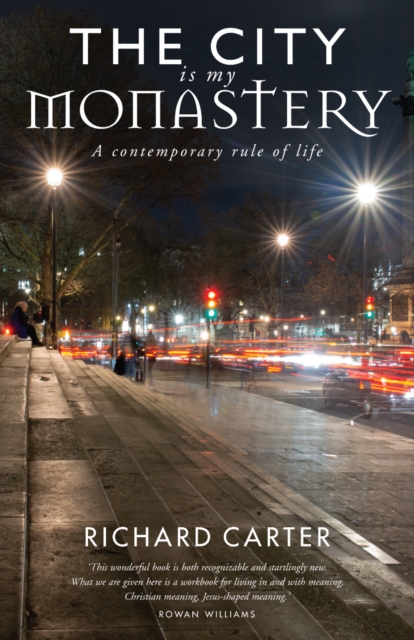
The Rule of St Benedict, which dates from the sixth century, is the foundation of monasticism, one of the oldest continuing institutions in all of Western civilization.