Join a cast of characters, with different perspectives, thinking through some of the biggest questions in life, as they discuss atheist Richard Dawkins's book Outgrowing God: A Beginner's Guide.
Every follower of Christ has a coterminous sense of citizenship--(s)he is at the same time a citizen of a country (or countries) on earth, but also has a heavenly allegiance through faith in Jesus Christ.
In God in the Labyrinth, Andrew Hollingsworth uses Umberto Eco's semiotic concept of the model encyclopedia as the basis for a new model and approach to systematic theology.
After spending many years in a religious order, Dominic Kirkham describes how he was driven to meet the challenge of modern thinking, an exercise that has proved both freeing and frightening.
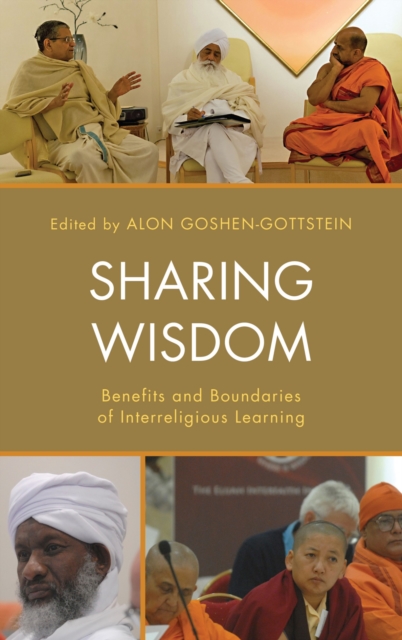
The essays collected here, prepared by a think tank of the Elijah Interfaith Academy, explore the challenges associated with sharing wisdom--learning, teachings, messages for good living.
Existential Theology: An Introduction offers a formalized and comprehensive examination of the field of existential theology, in order to distinguish it as a unique field of study and view it as a measured synthesis of the concerns of Christian existentialism, Christian humanism, and Christian philosophy with the preoccupations of proper existentialism and a series of unfolding themes from Augustine to Kierkegaard.
In ZeroTheology, John Tucker argues that not only can one be a Christian without holding any traditional beliefs but that one can only be a Christian by getting out of religious belief altogether.
In a highly-connected global village, the flow of worldviews from East to West (and vice versa) has great potential for good, but also some dangerous pitfalls.
By redefining terms and language, the far-left controls discourse and alters Western civilization even to the extreme of exchanging that which was formerly nearly universally condemned for what is now nearly universally celebrated--the almost total desecration of the created order (Rom 1:18-32).
The computer has increasingly become the principal model for the mind, which means our most basic experience of "e;reality"e; is as mediated through a screen, or stored in a cloud.
In light of Martin Heidegger's contextualized influence upon them, John Macquarrie, Rudolf Bultmann, Paul Tillich, and Karl Rahner engage in theologies that, in their respective tasks and scopes, venture into existential theology, following Heideggerian pathmarks toward the primordiality of being on the way to unconcealment, or "e;aletheia.
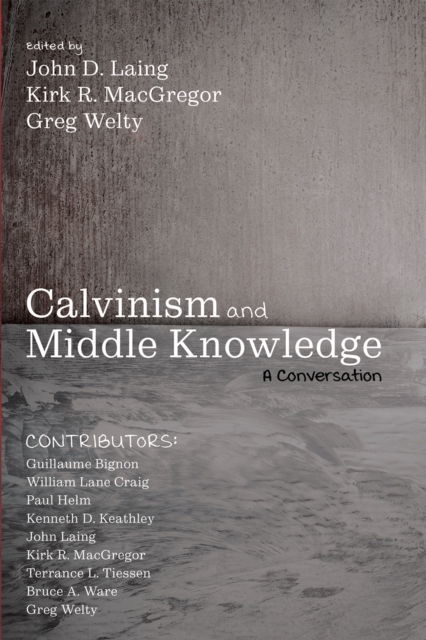
Calvinism and Middle Knowledge is an anthology of essays that moves the discussion of Molinism/middle knowledge out of the philosophical arena, where it has almost exclusively remained, and into the broader theological community.
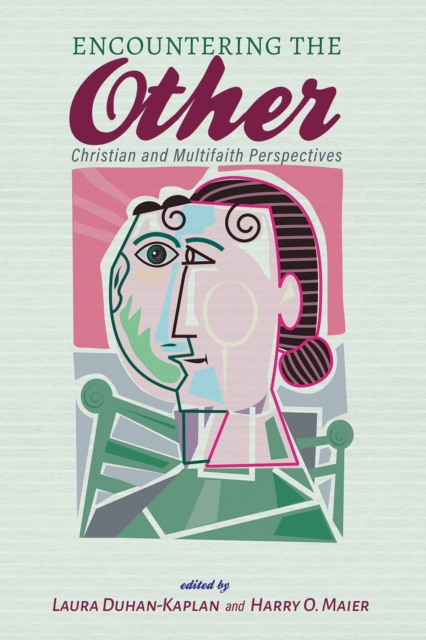
Comprised of the wisdom of over fifty scholars, preachers, poets, and artists, this anthology is born of the conviction that open-hearted engagement across our differences is a prerequisite for healthy civic life today.
When writing to the Corinthians, the Apostle Paul used figurative temple language repeatedly to shape the identity of his audience ("e;Temple of God,"e; "e;Temple of the Holy Spirit,"e; and "e;Temple of the Living God"e;).
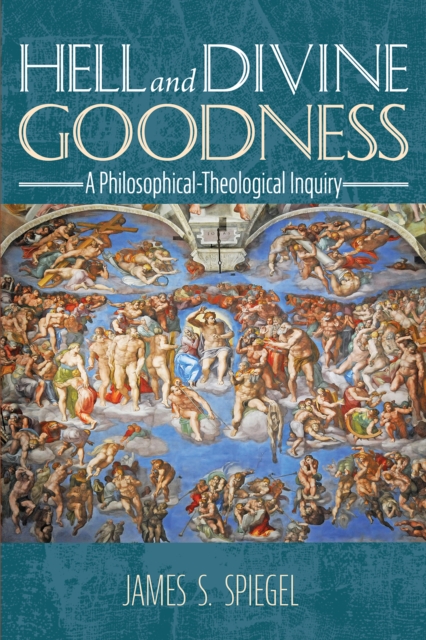
Within the Christian theological tradition there has always been a variety of perspectives on hell, usually distinguished according to their views about the duration of hell's torments for the damned.
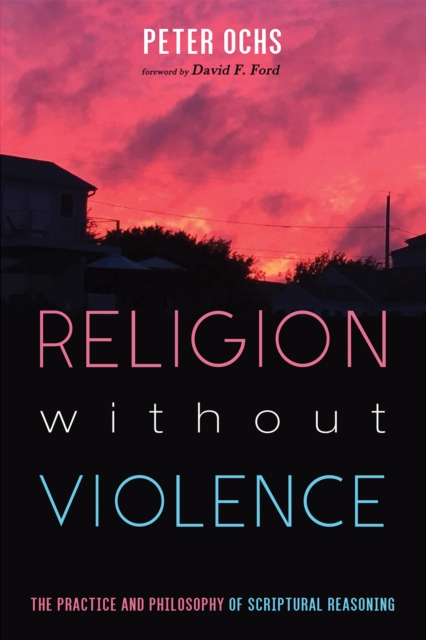
In 1992, Peter Ochs and a few Christian and Muslim colleagues began to gather small groups, in and outside the classroom, to practice close and attentive reading of the sacred Scriptures of the Jewish, Muslim, and Christian traditions.
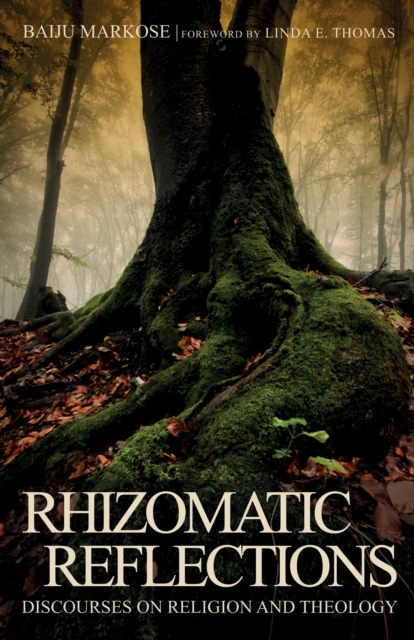
Fecund philosophical reflections on the conceptual metaphor "e;rhizome"e; invite us to reformulate the theological engagements today with a renewed spirit.
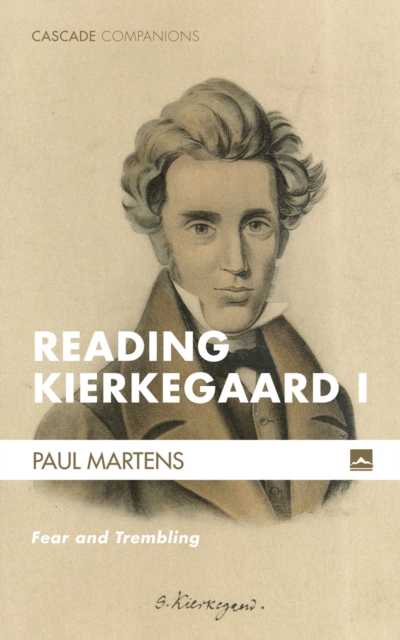
In his posthumously published Journals and Papers, Kierkegaard boldly claimed, "e;Oh, once I am dead, Fear and Trembling alone will be enough for an imperishable name as an author.
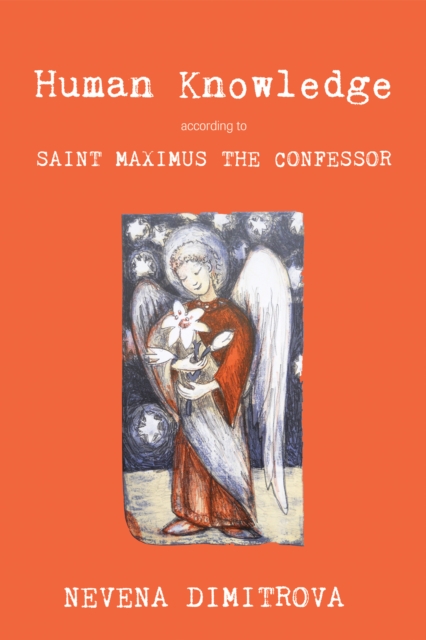
This book is dedicated to the synergic process of divine-human communion in the humanly possible knowledge of God, according to Saint Maximus the Confessor.
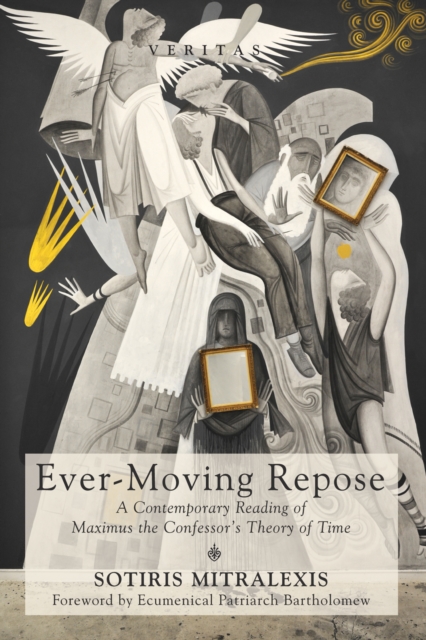
Sotiris Mitralexis offers a contemporary look at Maximus the Confessor's (580-662 CE) understanding of temporality, logoi, and deification, through the perspective of contemporary philosopher and theologian Christos Yannaras, as well as John Zizioulas and Nicholas Loudovikos.
The questioning of religion is the beginning of a flood, one that cannot be contained and will soon drown every theological, political, economic, and cultural orthodoxy that pledged its allegiance to a sinking cause.
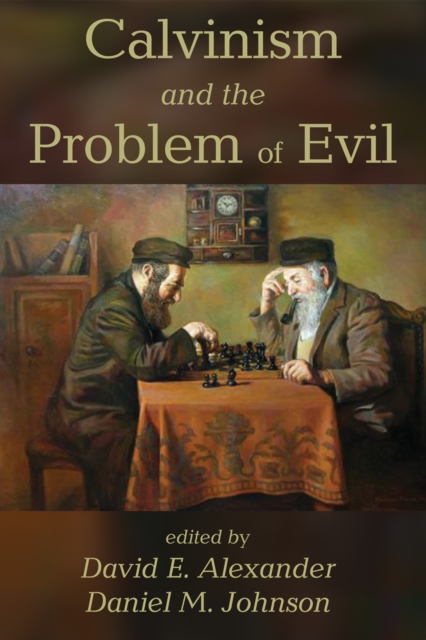
Contrary to what many philosophers believe, Calvinism neither makes the problem of evil worse nor is it obviously refuted by the presence of evil and suffering in our world.
It is alleged that creeds tend inevitably to ossification; that the vitality of religions is almost lost itself in their development; that the ornaments of ritual serve only to obscure the Light which they profess to adorn and magnify Nothing, throughout history has been more painfully demonstrated than the barriers to brotherhood built up by religions; a rivalry often more fully emphasized than softened by missionary zeal Yet the Source of Spirituality must be One, even as God is One; and the differing languages and systems by means of which spirituality strives to assert itself, although they go far in the direction of perpetuating division between races and men, they have, after all, One common origin, the Word, lying dim and only partially realizable in the shadow of a time long-ago There are two minds, as it was written about the trees in the Garden of Eden, The tree of the knowledge of good and evil and the Tree of Life This Key determined these things specifically by discerning appropriate definitions in order to find out the sum of the whole matter.
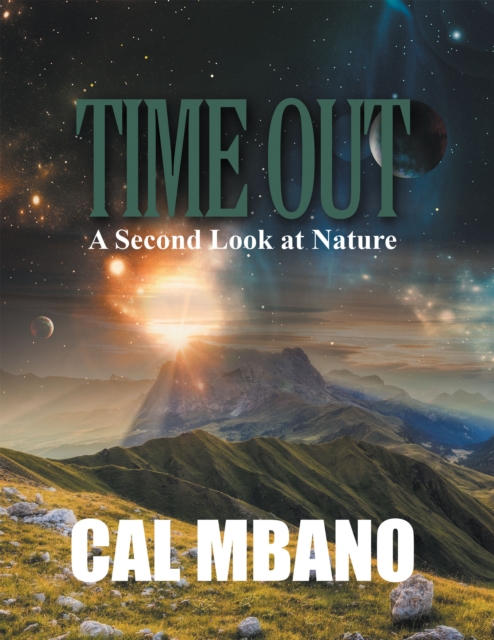
Time Out: A Second Look at Nature engages readers with an opportunity to ask, examine and ponder critical questions which fundamentally challenge conventional thinking and beliefs about God, nature and our very humanness.
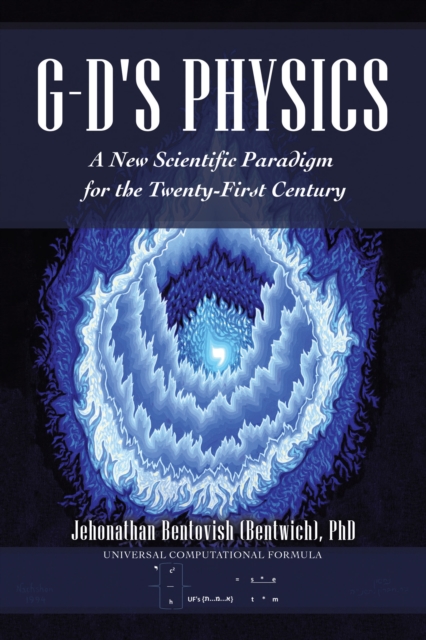
"e;God's Physics"e;: A New Science Transforming the World & Our LifeScience is currently undergoing a profound "e;Paradigmatic-Shift"e; from the Old "e;Material-Causal"e; Paradigm of 20th Century's Relativity Theory and Quantum Mechanics to the New "e;God's Physics"e; Paradigm: Succinctly stated, 'God's Physics' replaces our old way of looking at the world as created by a "e;random Big-Bang"e; nuclear explosion towards an exciting new realization that our entire physical universe, our bodies and minds, and our total physical and human existence are all being continuously created by a singular higher "e;Universal Consciousness Reality"e; 'God'!