'Metaphor in Educational Discourse is a superb piece of applied linguistics research that integrates Vygotsky's theory of concepts with current work on metaphor into a coherent framework for investigating how teachers and learners negotiate figurative language in order to promote development in the classroom setting.
The New Phenomenology: A Philosophical Introduction is the first available introduction to the group of philosophers sometimes associated with the so-called 'theological turn' in contemporary French thought.
Climate change and other global environmental changes deserve attention by the the humanities - they are caused mainly by human attitudes and activities and feed back to human societies.
In 1913, Albert Schweitzer (1875-1965) left his internationally renowned career as a theologian, philosopher, and organ player to open a hospital in the jungles of Africa.
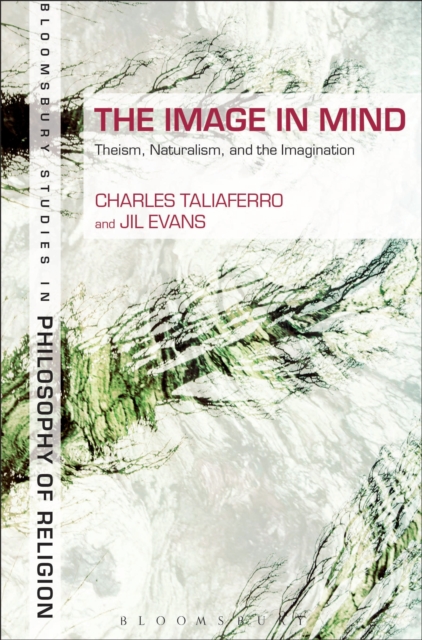
A philosophical inquiry into the strengths and weaknesses of theism and naturalism in accounting for the emergence of consciousness, the visual imagination and aesthetic values.
Although many scholars consider Luke 17:22-37 to be "e;the most important eschatological passage in Luke-Acts,"e; few agree on the precise meaning of the enigmatic proverb which forms its conclusion (Luke 17:37).
Violence, Desire and the Sacred presents the most up-to-date inter-disciplinary work being developed with the ground-breaking insights of Rene Girard's mimetic theory.
Free Will in Philosophical Theology takes the most recent philosophical work on free will and uses it to elucidate and explore theological doctrines involving free will.
This book offers a welcome solution to the growing need for a common language in interfaith dialogue; particularly between the three Abrahamic faiths in our modern pluralistic society.
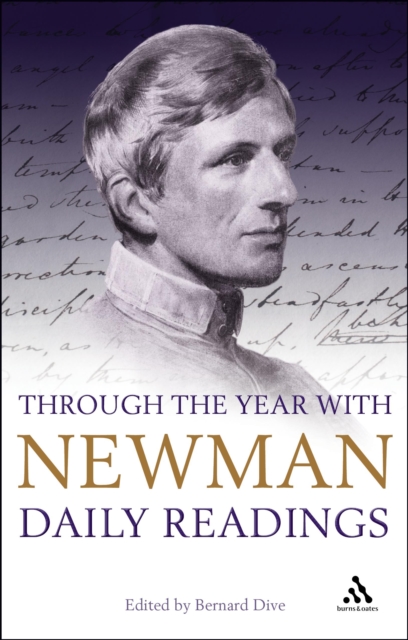
John Henry Newman was a great thinker - a seminal theologian and philosopher - but he possessed something more than intellectual brilliance: he possessed wisdom and a profound devotional life.
This addition to Sheffield's acclaimed Old Testament Guides series introduces students not only to Proverbs but also to the genre of 'wisdom literature' in general (dealing with such questions as the origin and location of 'wisdom' in ancient Israel).
Beattie undertakes a comparative survey of the treatment of women and marriage in three different kinds of text: an authentic Pauline letter (namely 1 Corinthians); the deutero-Pauline literature (Colossians, Ephesians and the Pastoral Epistles); and some tractates from the Nag Hammadi library (giving particular attention to the Gospel of Philip, the Exegesis on the Soul, the Hypostasis of the Archons and the Gospel of Thomas).
A fascinating, philosophical approach to the concept of divine revelation, exploring the implications this theory may have for generating a new concept of religious truth.
Theology of religions has defaulted in the last two decades to an epicyclic inclusivism which seeks to undermine pluralism with claims that it is covertly triumphalistic and that it mirrors the logic of exclusivism.
Among contemporary Anglo-American philosophers and students there is a growing awareness of the need to engage more both with philosophical perspectives of other faith traditions and also the distinctive 'continental' tradition of philosophy.