Una Iglesia verdaderamente sinodal se construye a partir de dinamicas comunicativas abiertas, participativas e interactivas, donde la conversacion ocupa un lugar central.
Credo Book Award Winner-Natural TheologyDiscover how Aristotelian thought has shaped Christianity through history and remains relevant for Christians todayWhen Christians of any age, country, or denomination debate the nature of the good life, the soul, free will, or design, Aristotle lies behind their logic as well as their rhetoric.
Wendy Cadge and Shelly Rambo demonstrate the urgent need, highlighted by the COVID-19 pandemic, to position the long history and practice of chaplaincy within the rapidly changing landscape of American religion and spirituality.
Wendy Cadge and Shelly Rambo demonstrate the urgent need, highlighted by the COVID-19 pandemic, to position the long history and practice of chaplaincy within the rapidly changing landscape of American religion and spirituality.
What if your spiritual progress could be understood—not by measuring religious knowledge or outward success—but by the quiet transformation of your soul?
Will eine Aktiengesellschaft frisches Bargeld beschaffen, ohne einen Kredit aufzunehmen, bietet die Kapitalerhöhung gegen Einlagen eine willkommene Alternative.
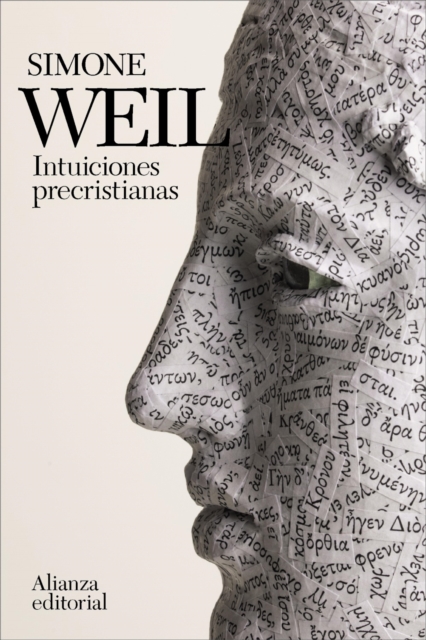
Escritos entre diciembre de 1941 y mayo de 1942, en su exilio durante la guerra, estos textos son el fruto más luminoso del pensamiento de Simone Weil.
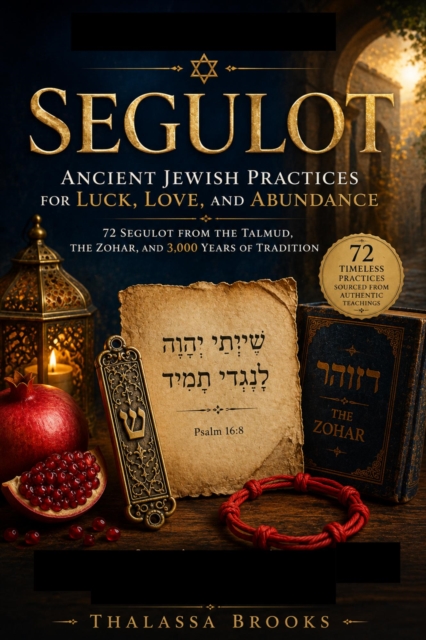
Ancient Jewish Secrets for Luck, Love, and Abundance — 72 Segulot from the Talmud, the Zohar, and 3,000 Years of TraditionFor three thousand years, Jewish tradition has quietly practiced something most of the world only discovered recently: that small, deliberate acts — a bite of fruit, a knotted red thread, a psalm recited at exactly the right hour — can open doors that willpower alone cannot.
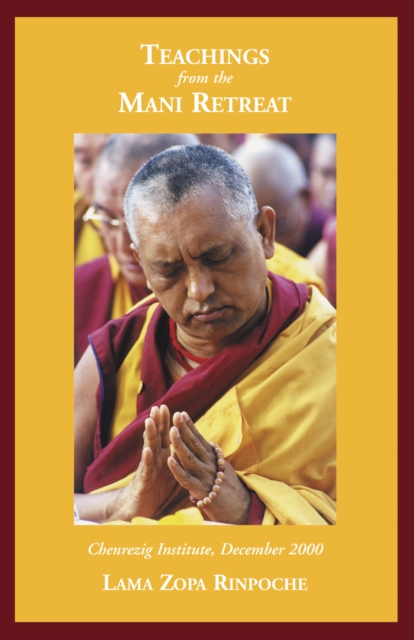
This book is an edited transcript of teachings given by Lama Zopa Rinpoche from December 22 to 26, 2000, as part of the inaugural Mani Retreat at Chenrezig Institute in Queensland, Australia.
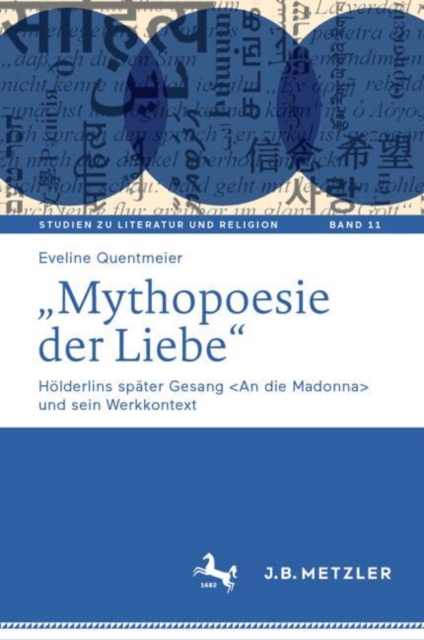
Das von der Forschung vernachlassigte und kontrovers diskutierte spate Gedicht Holderlins ist eine elegische Hymne, in der Holderlin seiner Dichtung eine poetologische Neuorientierung gibt, die dem Geist der Zeit zwischen 1800 und 1805/06 entspricht.
Das von der Forschung vernachlassigte und kontrovers diskutierte spate Gedicht Holderlins ist eine elegische Hymne, in der Holderlin seiner Dichtung eine poetologische Neuorientierung gibt, die dem Geist der Zeit zwischen 1800 und 1805/06 entspricht.
FROM GNOSIOLOGY TO WAḤDAT AL-SHUHŪD: The Anthropology of Mystical Knowing in Islam examines how knowledge is understood within the Islamic intellectual tradition.
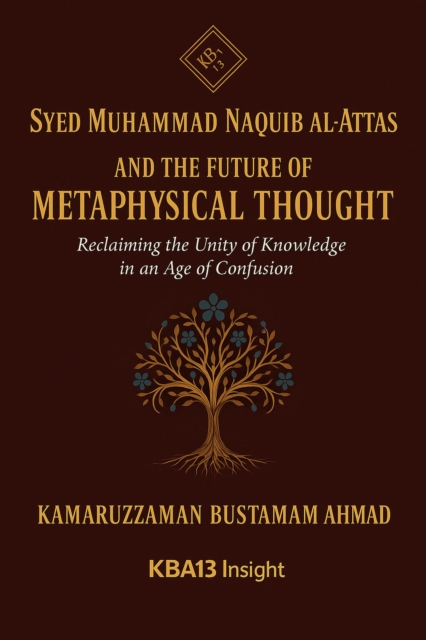
In a world torn between information overload and spiritual emptiness, Syed Muhammad Naquib al-Attas and the Future of Metaphysical Thought offers a luminous path toward intellectual clarity and moral renewal.
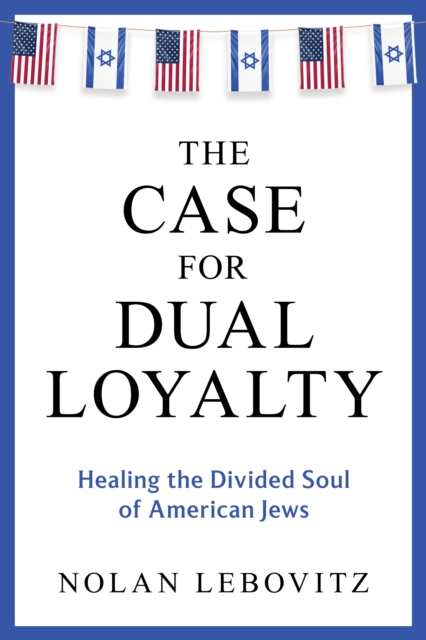
"e;Written with passion and grace, The Case for Dual Loyalty deserves a space on the short shelf of indispensable books on contemporary American Jewry.
The most urgent question facing the Jewish community today is stark and undeniable: How do the Jews ensure their physical security in an increasingly hostile world?
Designed for students in Christian colleges and seminaries, An Introduction to Philosophy surveys the four main areas of philosophy - logic, metaphysics, epistemology, and ethics - in an accessible and engaging manner.
Ambitiously undertaking to develop a strategy for making the study of religion "e;scientific,"e; Ninian Smart tackles a set of interrelated issues that bear importantly on the status of religion as an academic discipline.
The author examines the logical structure of religious inquiry and discourse and the various meanings of religious utterances, and then develops principles of judgment and types of argument by which claims can be supported or challenged.
In contrast to those critics who consistently have accused Soren Kierkegaard of neglecting the social dimension of human life, John Elrod holds that in those books written after the publication of Concluding Unscientific Postscript Kierkegaard turned his attention to the social and political issues of nineteenth-century Denmark.
This beautifully expressed and carefully developed approach to religious belief, has been called, "e;an invaluable contribution to the treasury of Christian thought"e; (Living Church), and "e;the finest rational approach to religious belief I have ever read.
Although most historians have sought the roots of atheism in the history of "e;free thought,"e; Alan Charles Kors contends that attacks on the existence of God were generated above all by the vitality and controversies of orthodox theistic culture itself.
For more than two thousand years, philosophers and theologians have wrestled with the irreconcilable opposition between Greek rationality (Athens) and biblical revelation (Jerusalem).
Designed for students in Christian colleges and seminaries, An Introduction to Philosophy surveys the four main areas of philosophy - logic, metaphysics, epistemology, and ethics - in an accessible and engaging manner.
For more than two thousand years, philosophers and theologians have wrestled with the irreconcilable opposition between Greek rationality (Athens) and biblical revelation (Jerusalem).
This book completes a landmark six-volume translation of the major writings of Wilhelm Dilthey (1833-1911), a philosopher and historian of culture who continues to have a significant influence on philosophy, hermeneutics, and the theory of the human sciences.