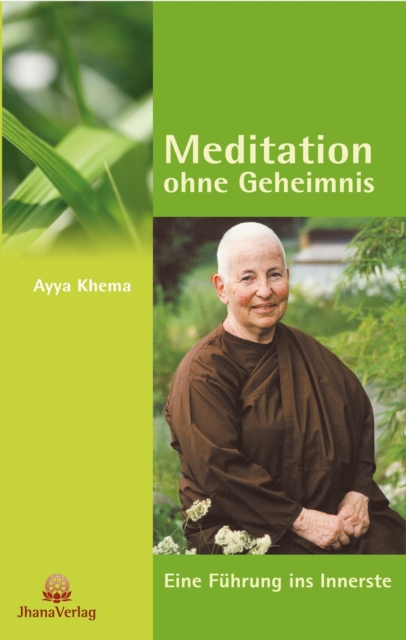
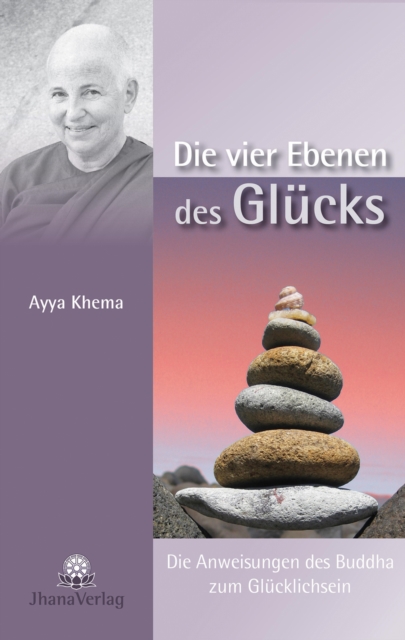
In diesem Buch stellt Ayya Khema eingehend die Grundlagen der Ruhe- und der Einsichtsmeditation dar, erläutert, wie wir uns von festgefahrenen Denkmustern und Gefühlen befreien können, und gibt wertvolle Ratschläge für unsere alltägliche Übung.
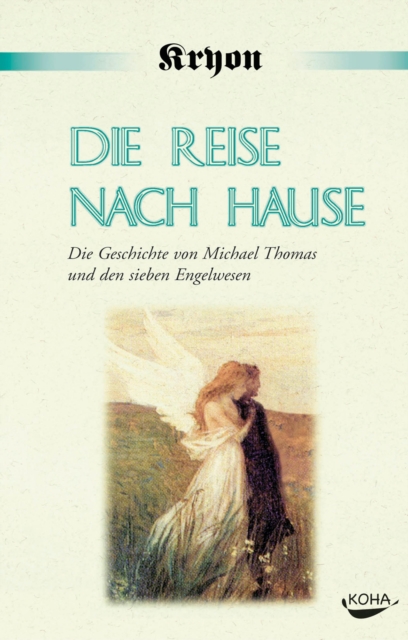
In dieser faszinierenden Parabel wird die Geschichte von Michael Thomas erzählt, einem scheinbar gewöhnlichen Mann, der in Minnesota geboren wurde und nun in Los Angeles arbeitet.
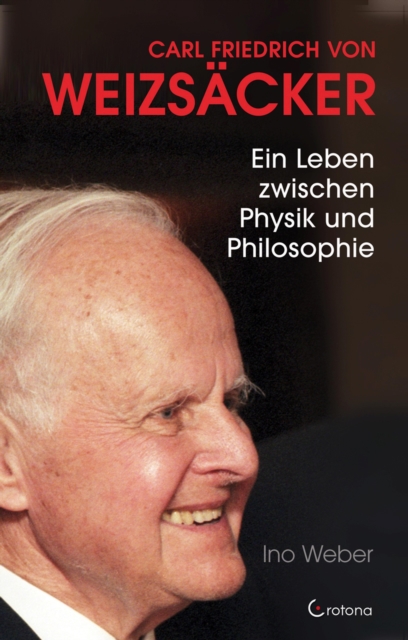
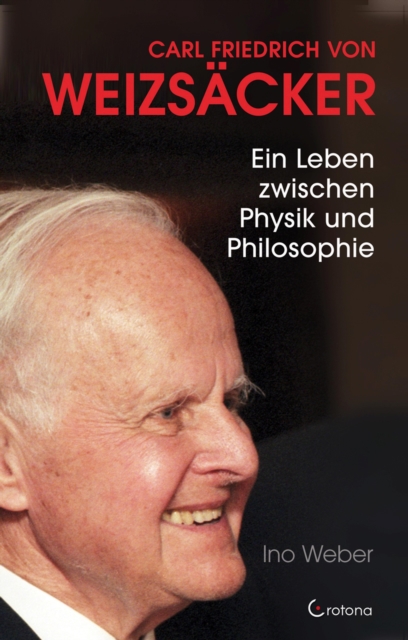
Carl Friedrich von Weizsäcker hat es wie kein Zweiter verstanden, die seit fast vier Jahrhunderten andauernde Trennung zwischen Geistes- und Naturwissenschaft zu überwinden.
Carl Friedrich von Weizsäcker hat es wie kein Zweiter verstanden, die seit fast vier Jahrhunderten andauernde Trennung zwischen Geistes- und Naturwissenschaft zu überwinden.
Wir glauben, dass jeder von uns eine ganz bestimmte, niemals ersetzbare Persönlichkeit ist, die sich möglichst erfolgreich und anerkannt durchsetzen muss.
Dieses Buch enthält die wohl ausführlichsten Erklärungen zu den meditativen Vertiefungen und den daraus resultierenden Einsichten, die es weltweit gibt.
Das Buch "Die vier Ebenen des Glücks" kann uns mit seinen leicht verständlichen Erklärungen helfen, das, wonach wir uns schon immer gesehnt haben, zu finden und zu verwirklichen.
Mit seinem Evangelium schließt Matthäus an die prophetischen Zusagen des Alten Testamentes an: Er zeigt auf, dass sie in Jesus ganz und gar erfüllt sind.
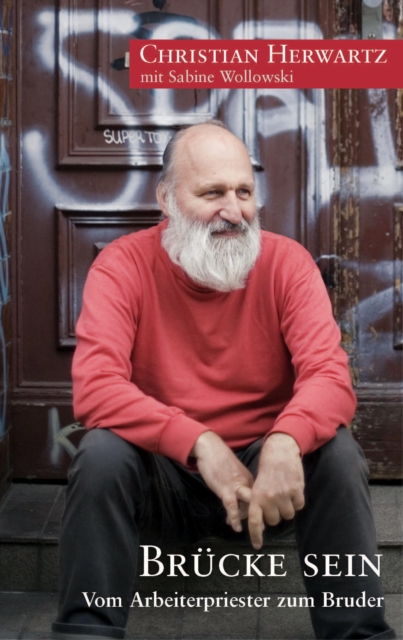
Christian Herwartz hat sich als Jesuit nie hinter Klostermauern zurückgezogen, sondern sich stets in der Welt engagiert - in der Arbeit mit Flüchtlingen und anderen gesellschaftlich wenig geduldeten Menschen, der Leitung von Straßenexerzitien, der Aufarbeitung von sexuellem Machtmissbrauch in kirchlichen Institutionen.
Die radikale Botschaft des Herz-Sutra, eines der berühmtesten Texte des Buddhismus, ist ein Angriff auf alles, was uns lieb und teuer ist: unsere Schwierigkeiten, die Welt, wie wir sie kennen, und sogar die Lehren des Buddha selbst.
David Vidal Zafartti es un prestigioso científico afincado en Harvard cuyas investigaciones le llevan a postularse como futuro premio Nobel; sin embargo, una inesperada tragedia le mueve a cambiar el rumbo de su vida.
Tanto San Efrén, quien fue proclamado doctor de la iglesia por el papa Benedicto XV, como Jacobo de Sarug, fueron dos de los primeros y más importantes representantes de la visión teológica de la iglesia siriaca.
El vuelo del águila es la prolongación de la obra anterior, El águila y la gallina: cómo el ser humano se hace humano, en la que se muestra la coexistencia de la dimensión águila/gallina en la realidad circundante del ser humano.
"Este libro es el resultado de una rigurosa erudición textual que puede ser apreciada no solo por la comunidad académica, sino también por los practicantes budistas.
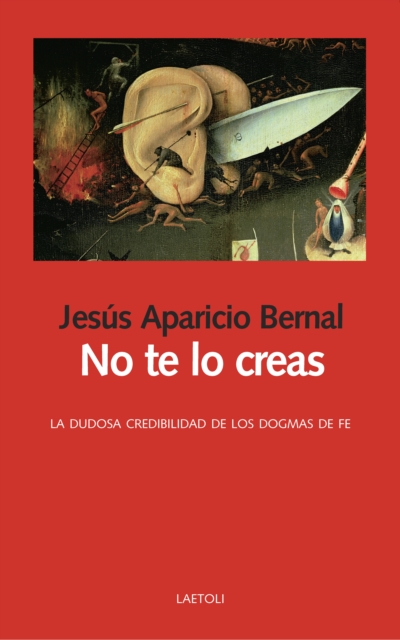
Jesus Aparicio Bernal, que fue director general de Television Espanola antes de Adolfo Suarez, en los tiempos en que Massiel gano el Festival de Eurovision, hace en este libro breve y sustancioso un analisis radical de la religion, y del catolicismo en particular.
¿Cómo lograr momentos de interiorización que nos produzcan paz y nos pongan en comunión con las energías universales y con la Energía Suprema que es Dios?
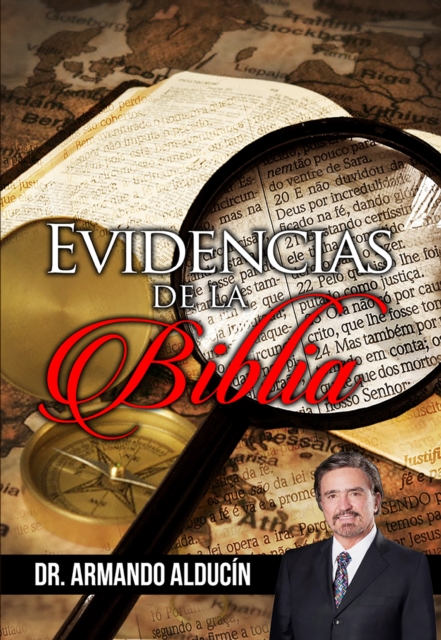
"No existe un libro que haya trascendido la historia y las sucesivas culturas y que se mantenga tan vigente como desde el mismo instante en que empezó a ser escrito, como la Biblia.
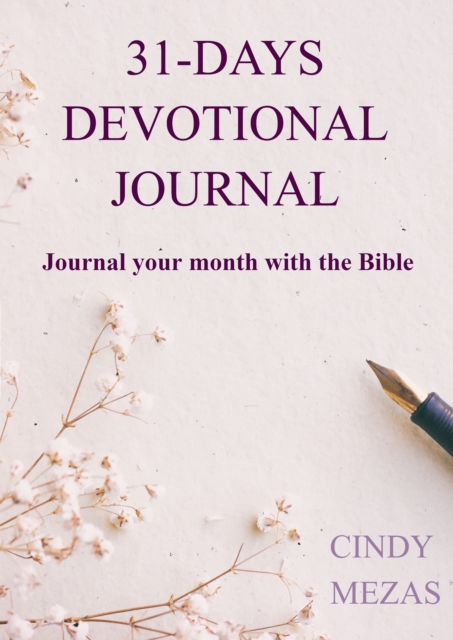
This 31-days Devotional Journal book will help you in your devotion time with God and propel you forward in having more understanding of the Word of God.
As the Fourth Industrial Revolution ushers into a new era of artificial intelligence (AI) and virtual reality, how should we respond to the societal and ethical dilemmas associated with this new age of transformative scientific power?
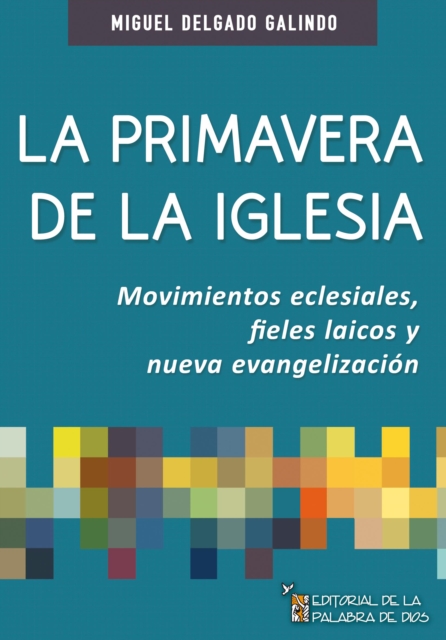
"A partir del Concilio Vaticano II, y aun antes, se puede reconocer en la Iglesia el desarrollo de un nuevo momento asociativo de los fieles: junto al asociacionismo tradicional han nacido los nuevos movimientos eclesiales.
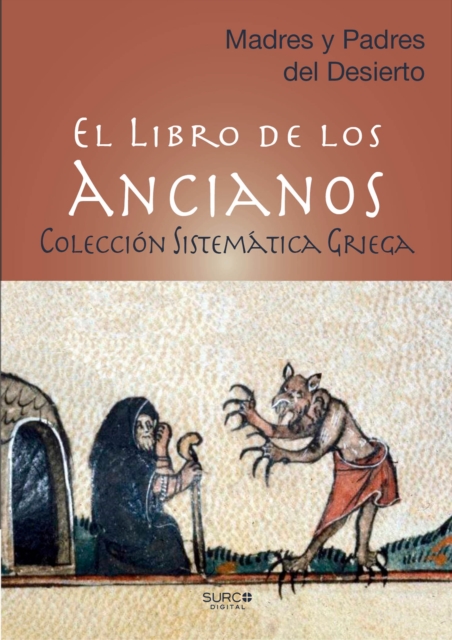
En el Prólogo de la Colección Sistemática griega se nos dice que "se encuentran transcritas en este libro: la ascesis, la vida y las palabras de los santos padres"; todo lo cual ellos no lo hicieron por ostentación, sino que "recorrieron el camino de Cristo", es decir, quisieron imitar al Señor Jesús, ocultando por humildad sus acciones.
En palabras del autor, el presente trabajo ofrece un acercamiento a la hermenéutica nihilista del filósofo italiano Gianni Vattimo, destaca sus coincidencias con y aportes al pensamiento intercultural-decolonial.
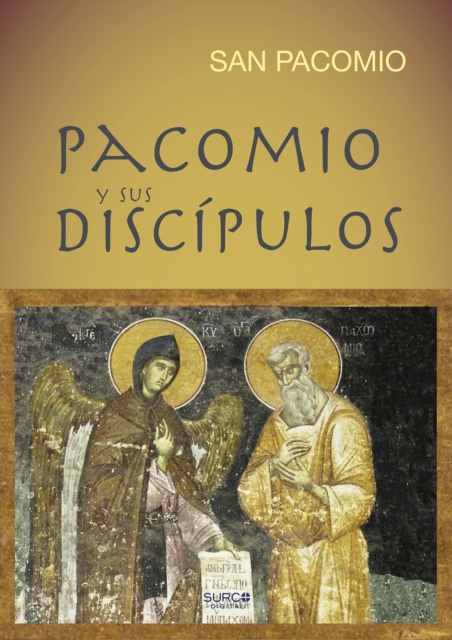
Esta antología, luego de una breve introducción, reúne dos obras atribuidas a san Pacomio: las Reglas y una Catequesis; a continuación, el relato de una de las Vidas, la así llamada Primera Vida Griega; a la que se añade un Complemento de la misma; para concluir con dos textos pertenecientes al ámbito de los discípulos del fundador: el Testamento de Orsisio, segundo sucesor de Pacomio; y la Carta de un obispo, que nos ha transmitido las noticias que recogió sobre la vida de san Teodoro, durante el tiempo en que vivió en uno de los monasterios de la Congregación pacomiana.