Elegante edición en piel de Los Salmos, con canto dorado, cinta de registro y cubierta de agradable tacto, en imitación piel con solapa de cierre imantada.
In the first volume of this long-anticipated collection by Moessner and Tiede, seventeen leading scholars of antiquity present an amazing "e;sea change"e; of opinion that Luke is indeed the interpreter of Israel.
In this book Jaco Gericke is concerned with different ways of approaching the question of what, according to the Hebrew Bible, a god was assumed to be.
In 1931, Edgar Cayce agreed to help a group of people grow spiritually and become more psychic, with one condition: They would have to "e;live' the precepts.
In 1943, the famous Old Testament scholar, Martin Noth, published his monograph, _berlieferungsgeschichtliche Studien, in which he established the hypothesis of a Deuteronomistic History and gave his treatment of the Chronicler's History.
In this book Jaco Gericke is concerned with different ways of approaching the question of what, according to the Hebrew Bible, a god was assumed to be.
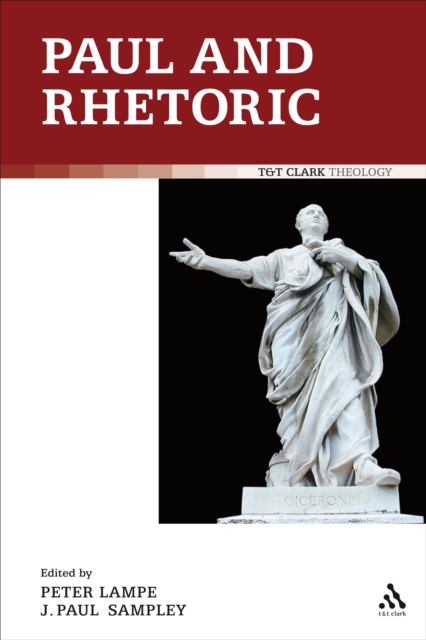
Paul and Rhetoric contains essays that have been presented in a seminar called "e;Paul and Rhetoric"e; in the annual meetings of the Studiorum Novi Testamenti Societas, the leading international forum for New Testament and Christian Origin scholars.
Amid the crisis of authority in our modern and postmodern era, Christians need to be able to point to God's revelation in the natural world in addition to defending God's unique revelation in the Bible and in the person of Jesus Christ.
Amid the crisis of authority in our modern and postmodern era, Christians need to be able to point to God's revelation in the natural world in addition to defending God's unique revelation in the Bible and in the person of Jesus Christ.
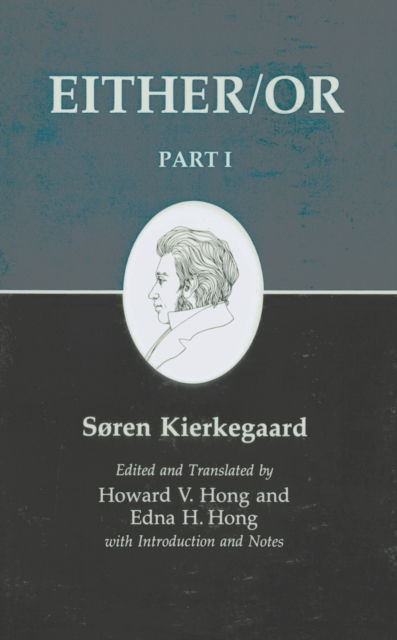
Soren Kierkegaard, the nineteenth-century Danish philosopher rediscovered in the twentieth century, is a major influence in contemporary philosophy, religion, and literature.
Skepticism, Relativism, and Religious Knowledge examines the challenges of skepticism and relativism to religious knowledge after the demise of classical foundationalism.
This volume of essays centers on the theme of doing Christian theology in the present postmodern context, a consistent theme of the teaching of John D.
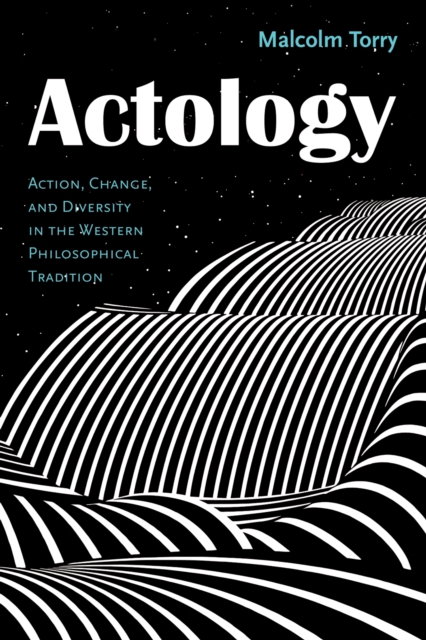
Two streams run through the Western philosophical stream: one characterized by Being, beings, the unchanging, the static, and the unitary; and the other by Action, actions, the changing, the dynamic, and the diverse.
Why it's wrong to single out religious liberty for special legal protectionsThis provocative book addresses one of the most enduring puzzles in political philosophy and constitutional theory-why is religion singled out for preferential treatment in both law and public discourse?
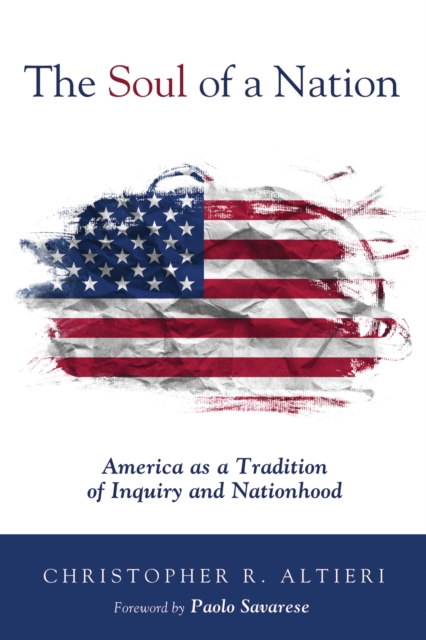
In The Soul of a Nation: America as a Tradition of Inquiry and Nationhood, Chris Altieri contends that the forma mentis of the founders of the political society often viewed--by its members and by those external to it--as the non plus ultra of modernity, i.
Soren Kierkegaard, the nineteenth-century Danish philosopher rediscovered in the twentieth century, is a major influence in contemporary philosophy, religion, and literature.
Drawing on a wide range of resources, including the history of philosophy, her role as director of a cognitive neuroscience group, and her Wittgensteinian training at Oxford, Jacobson provides fresh views on representation, concepts, perception, action, emotion and belief.
Religion-fuelled terrorism and attacks on freedom of expression have recently drawn headlines across Europe, either in protest or in support of extreme political or religious persuasions.
Knepper criticizes existing efforts in the philosophy of religion for being out of step with, and therefore useless to, the academic study of religion, then forwards a new program for philosophy of religion that is in step with, and therefore useful to, the academic study of religion.