In this collection, Stations on the Journey of Inquiry, David Burrell launches a revolutionary reinterpretation of how any inquiry proceeds, boldly critiquing presumptuous theories of knowledge, language, and ethics.
Postmodern Theology consists in a sharp-edged retrospective and reflection on the forty-year history of the most important movement in contemporary religious thought that is only now passing from the scene.
Globally we seem torn between local, exclusive forms of religion, which can cause immense spiritual and physical damage to people, and a bland secularism that confines the religions to safe havens, each offering its own private options for "e;spirituality"e; within a secularized global politic.
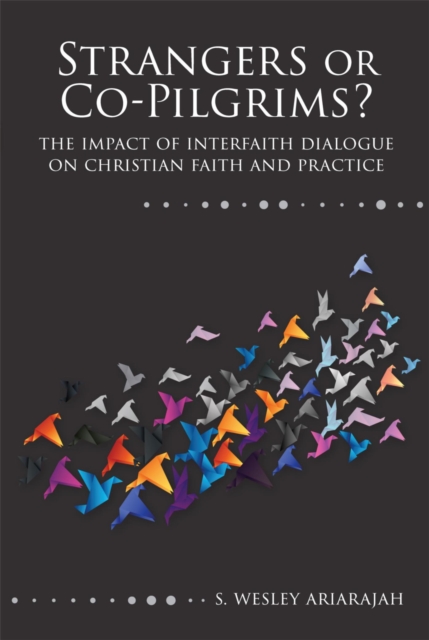
This book looks at how Christians can think about their own theology in a manner that will allow them to not only be more open to interfaith dialogue but also to see that conversation as essential to what it means to be a Christian.
In 2007, Antje Jackelén adopted the motto "e;God is greater"e; from the First Letter of John 3:18-20 for her consecration as the bishop of the Diocese of Lund.
Culture, Religion, and Home-making in and Beyond South Asia explores how the idea of the home is repurposed or re-envisioned in relation to experiences of modernity, urbanization, conflict, migration and displacement.
A short, definitive account of Keith Ward's theology, based on the philosophy of personal idealism, this book records his views about God, revelation, the kingdom of God, life after death, the incarnation, atonement, and the Trinity.
Throughout the two-thousand-year span of Christian history, believers in Jesus have sought to articulate their faith and their understanding of how God works in the world.
In The Corner of Fourth and Nondual, a title inspired by Thomas Merton's moment of revelation 'at the corner of Fourth and Walnut' in his celebrated essay 'A Member of the Human Race', Cynthia Bourgeault--internationally renowned retreat leader, and a practitioner and teacher of centering prayer--describes the foundations of her theology: a cosmological seeing with the eye of the heart, and classic Benedictine daily rule informed and enlightened by wisdom from the Asian traditions.
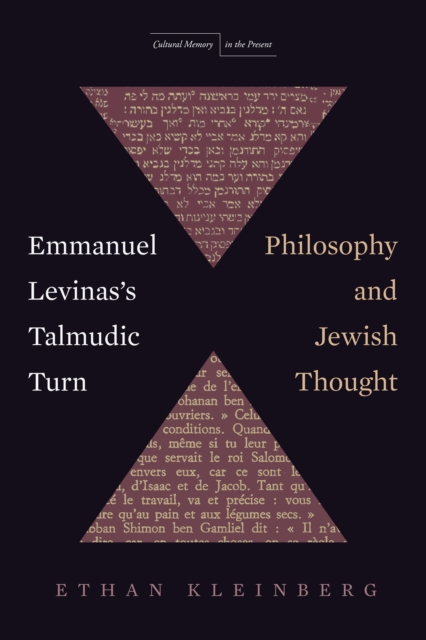
In this rich intellectual history of the French-Jewish philosopher Emmanuel Levinas's Talmudic lectures in Paris, Ethan Kleinberg addresses Levinas's Jewish life and its relation to his philosophical writings while making an argument for the role and importance of Levinas's Talmudic lessons.
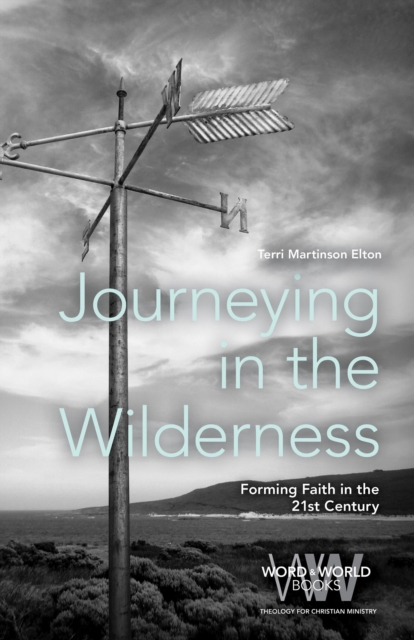
In Journeying in the Wilderness, author Terri Martinson Elton observes that faith formation in the church setting is contextual, and multiple forces are coming together today to create seismic contextual changes at record speed.
In this landmark volume, a rich array of voices make the case that religion is not partitioned off from the secular in the Global South the way it is in the Global North.
All of us should condemn terrorism--whether the perpetrators are Muslim extremists, white supremacists, Marxist revolutionaries, or our own government.
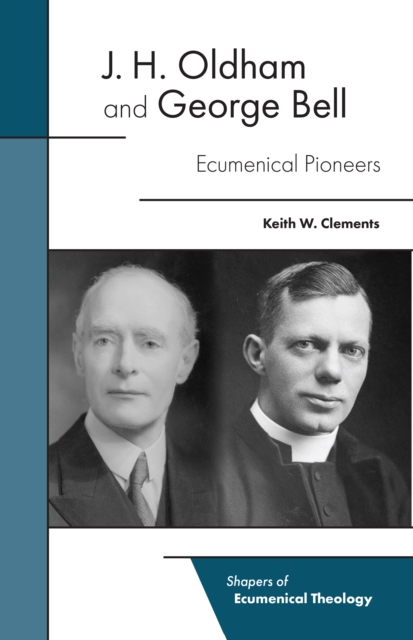
This book introduces the life and thought of two British contemporaries who were decisive in shaping the modern ecumenical movement: the Scottish layman J.
Although translations and interpretations of the Tao te Ching abound and new editions are released yearly, few accomplish the hard work of linking and bridging the Tao's profound message to the needs of modern readers.
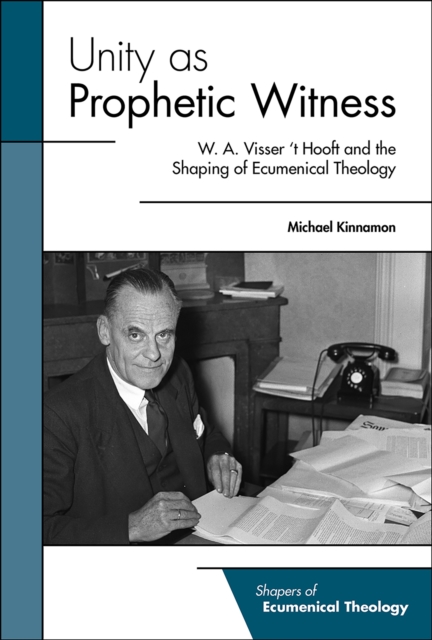
Visser 't Hooft and the Shaping of Ecumenical TheologyVisser 't Hooft is, perhaps, the most distinguished figure in the modern ecumenical movement, emerging in the postwar decades as a pivotal figure.
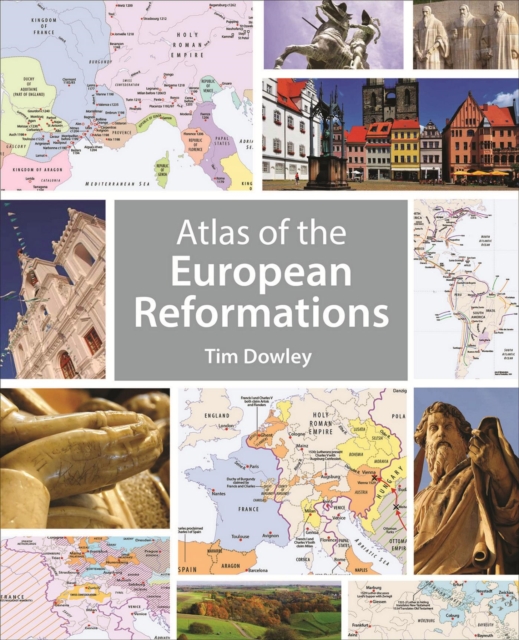
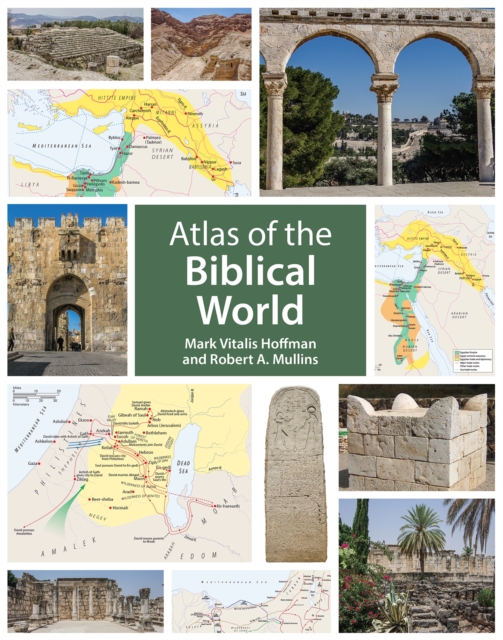
Based on the latest current scholarship, Atlas of the Biblical World features striking full-color maps and insightful commentary to make the ancient biblical world come alive.
Drawing on recent philosophical developments in hermeneutics and poststructuralism, The Fragility of Language and the Encounter with God offers a theological account of the contingency of language and perception and of how acknowledging that contingency transforms the perennial theological question of the development of doctrine.
The computer has increasingly become the principal model for the mind, which means our most basic experience of "e;reality"e; is as mediated through a screen, or stored in a cloud.
By redefining terms and language, the far-left controls discourse and alters Western civilization even to the extreme of exchanging that which was formerly nearly universally condemned for what is now nearly universally celebrated--the almost total desecration of the created order (Rom 1:18-32).
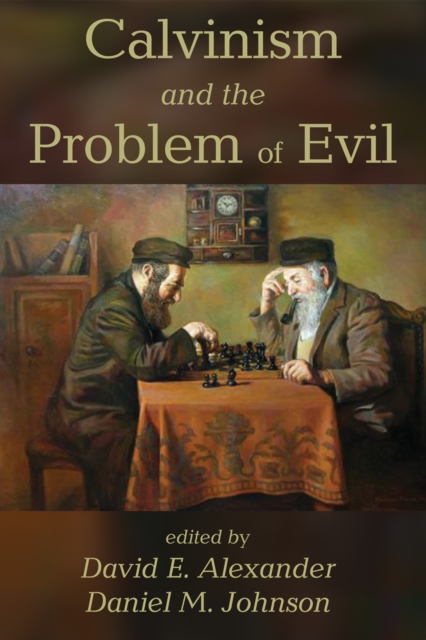
Contrary to what many philosophers believe, Calvinism neither makes the problem of evil worse nor is it obviously refuted by the presence of evil and suffering in our world.