In this follow-up to The Kingdom and the Glory and The Highest Poverty, Agamben investigates the roots of our moral concept of duty in the theory and practice of Christian liturgy.
The Black Newspaper and the Chosen Nation shows how antebellum African Americans used the newspaper as a means for translating their belief in black "e;chosenness"e; into plans and programs for black liberation.
The rise of political Islam has provoked considerable debate about the compatibility of democracy, tolerance, and pluralism with the Islamist position.
Scottish Migration since 1750: Reasons and Results begins a fresh chapter in migration studies using new methods and unpublished sources to map the course of Scottish migration between 1750 and 1990.
This chronicle of observant Muslim women's daily challenges in secular settings is "e;a welcome contribution [that] can be useful in many disciplines"e; (Journal of Church and State).
Dialogues on Religion-and its Study creatively revives a time-honored genre by offering a series of new speeches on religion (its definition, description, comparison, and explanation) between two old friends who periodically meet throughout the year.
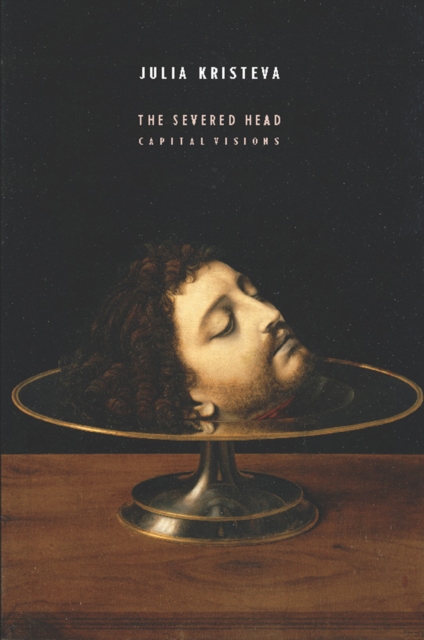
Informed by a provocative exhibition at the Louvre curated by the author, The Severed Head unpacks artistic representations of severed heads from the Paleolithic period to the present.
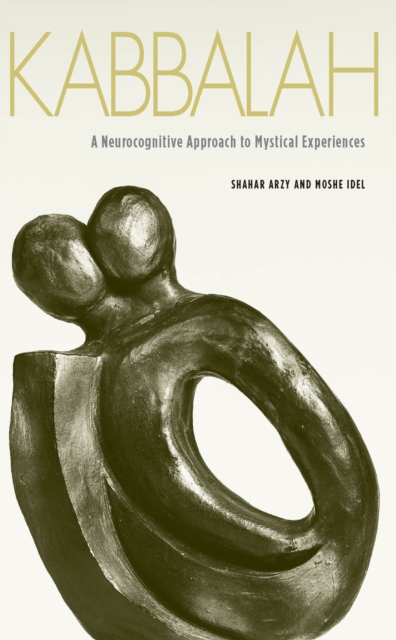
In this original study, Moshe Idel, an eminent scholar of Jewish mysticism and thought, and the cognitive neuroscientist and neurologist Shahar Arzy combine their considerable expertise to explore the mysteries of the Kabbalah from an entirely new perspective: that of the human brain.
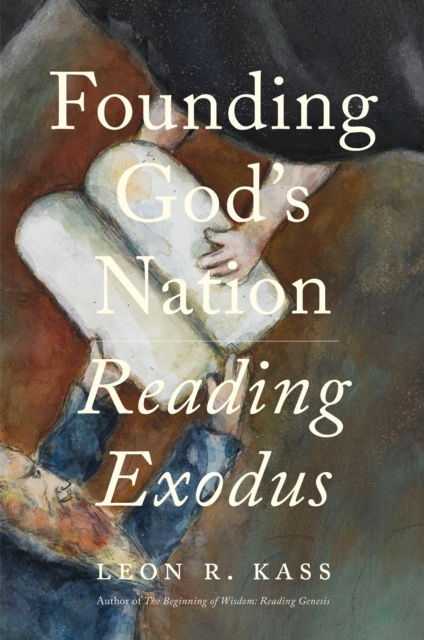
A chapter-by-chapter explanation of the Book of Exodus, revealing its wisdom about nation building and people formation"e;Kass draws from Exodus' record of the founding of Judaism timely even urgent universal lessons about twenty-first-century preconditions for human flourishing in any community.
As the news shows us every day, contemporary American culture and politics are rife with people who demonize their enemies by projecting their own failings and flaws onto them.
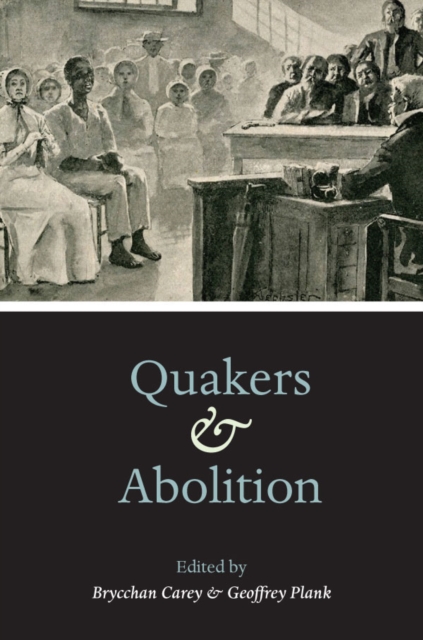
This collection of fifteen insightful essays examines the complexity and diversity of Quaker antislavery attitudes across three centuries, from 1658 to 1890.
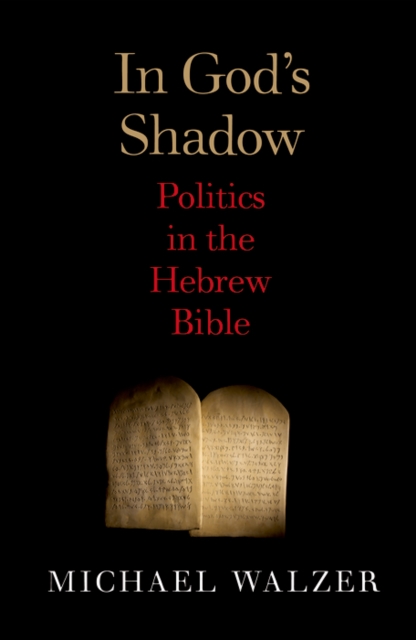
In this eagerly awaited book, political theorist Michael Walzer reports his findings after decades of reading and thinking about the politics of the Hebrew Bible.
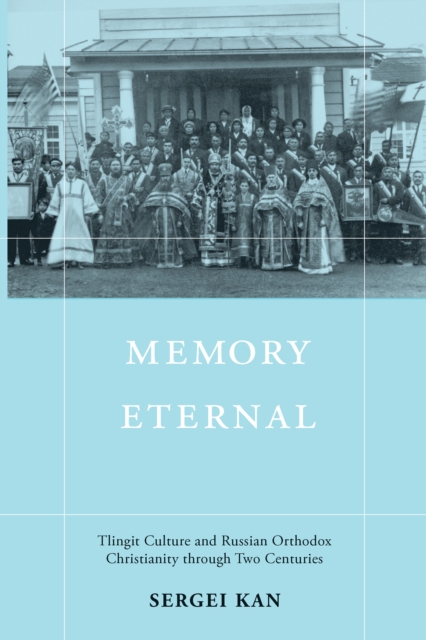
In Memory Eternal, Sergei Kan combines anthropology and history, anecdote and theory to portray the encounter between the Tlingit Indians and the Russian Orthodox Church in Alaska in the late 1700s and to analyze the indigenous Orthodoxy that developed over the next 200 years.
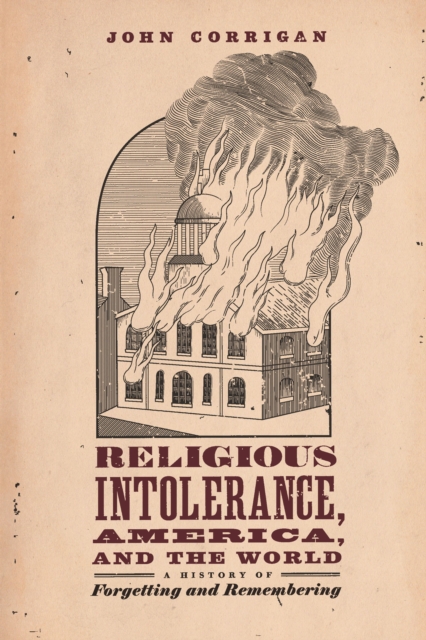
From one of the leading historians of Christianity comes this sweeping reassessment of religious freedom, from the church fathers to John Locke“Robert Louis Wilken’s new masterpiece.
The first single-volume history of Reformed Protestantism from its sixteenth-century origins to the present This briskly told history of Reformed Protestantism takes these churches through their entire 500-year history—from sixteenth-century Zurich and Geneva to modern locations as far flung as Seoul and São Paulo.
A captivating historical survey of the key debates, questions, and controversies at the intersection of science and religionThroughout history, scientific discovery has clashed with religious dogma, creating conflict, controversy, and sometimes violent dispute.
A beautifully written exploration of religion's role in a secular, modern politics, by an accomplished scholar of critical theoryMigrants in the Profane takes its title from an intriguing remark by Theodor W.
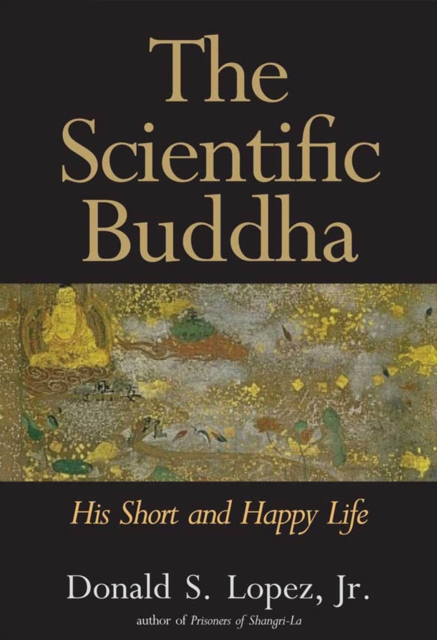
How Western notions of the Buddha have come to misrepresent his teachings and the traditional goals of Buddhist practice This book tells the story of the Scientific Buddha, "born" in Europe in the 1800s but commonly confused with the Buddha born in India 2,500 years ago.
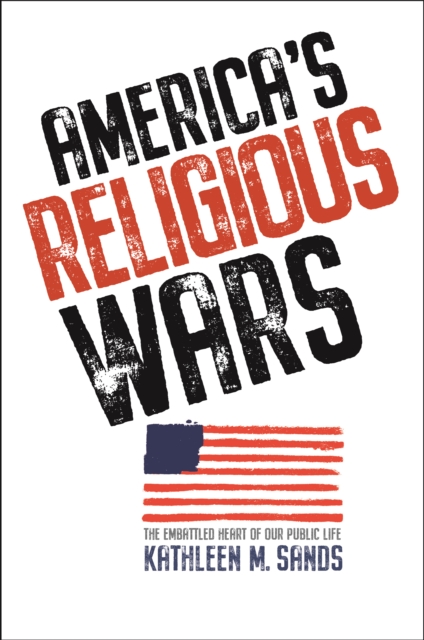
How American conflicts about religion have always symbolized our foundational political values When Americans fight about “religion,” we are also fighting about our conflicting identities, interests, and commitments.
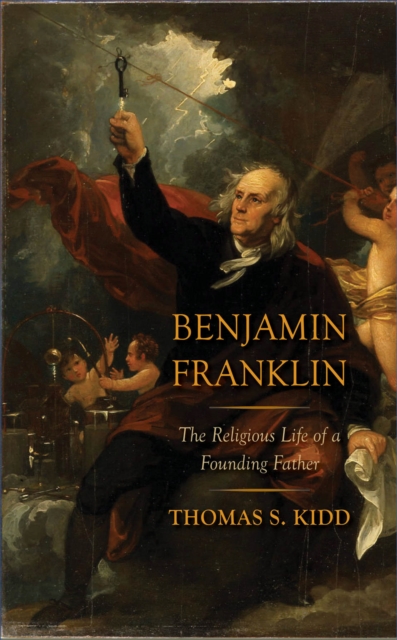
A major new biography, illuminating the great mystery of Benjamin Franklin’s faith Renowned as a printer, scientist, and diplomat, Benjamin Franklin also published more works on religious topics than any other eighteenth-century American layperson.
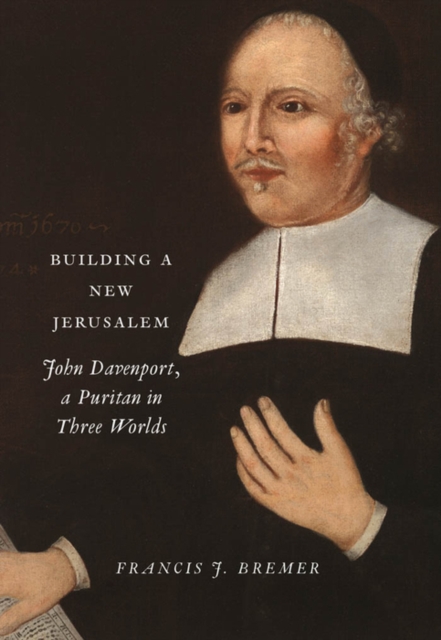
The life of John Davenport, who co-founded the colony of New Haven, has long been overshadowed by his reputation as the most draconian of all Puritan leaders in New England—a reputation he earned due to his opposition to many of the changes that were transforming New England in the post-Restoration era.
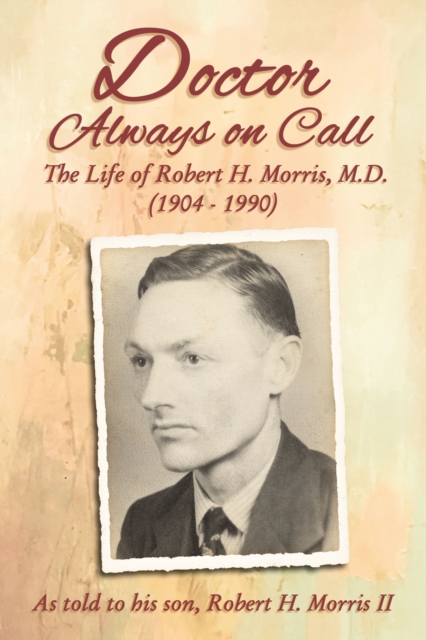
Robert Morris II recorded eight hours of interviews with his father, Robert Morris, MD (1904-1990), from which he drafted an autobiography and presented it to his dad on his 85th birthday.
An expansive and ambitious intellectual history of democratic socialism from one of the world’s leading intellectual historians and social ethicists The fallout from twenty years of neoliberal economic globalism has sparked a surge of interest in the old idea of democratic socialism—a democracy in which the people control the economy and government, no group dominates any other, and every citizen is free, equal, and included.
An award-winning scholar's sweeping history of American secularism, from Jefferson to Trump"e;An essential book for understanding today's culture wars.
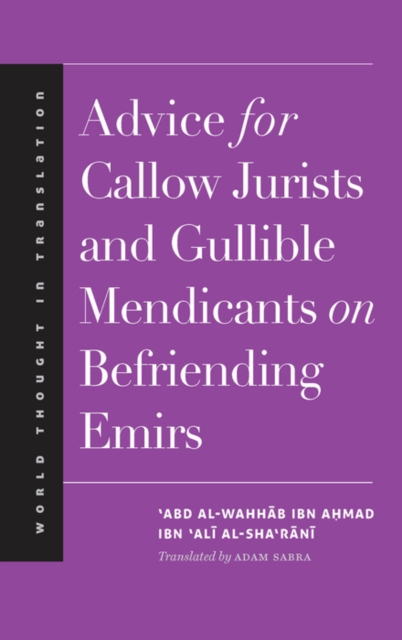
This mirror for princes sheds light on the relationship between spiritual and political authority in early modern Egypt This guide to political behavior and expediency offers advice to Sufi shaykhs, or spiritual guides, on how to interact and negotiate with powerful secular officials, judges, and treasurers, or emirs.
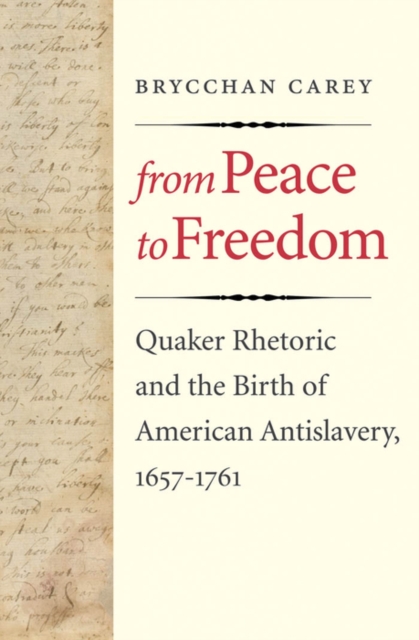
In the first book to investigate in detail the origins of antislavery thought and rhetoric within the Society of Friends, Brycchan Carey shows how the Quakers turned against slavery in the first half of the eighteenth century and became the first organization to take a stand against the slave trade.
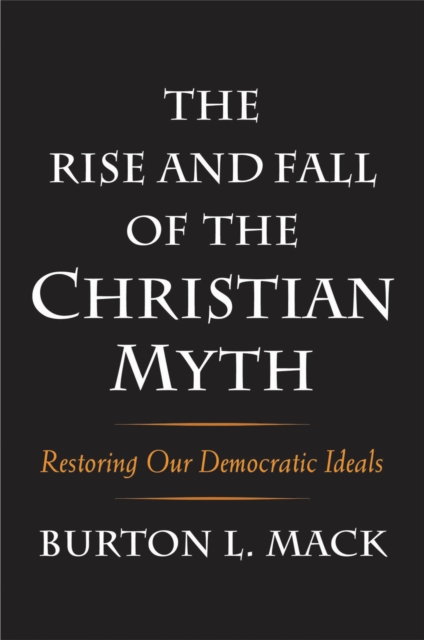
A preeminent scholar explores the evolution of the Christian worldview and argues that it no longer offers a satisfactory vision for our democratic, multicultural society This book is the culmination of a lifelong scholarly inquiry into Christian history, religion as a social institution, and the role of myth in the history of religions.
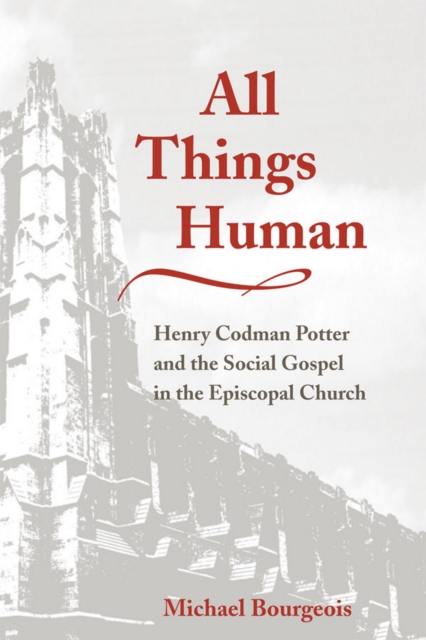
In addition to being the sixth bishop of the Diocese of New York, Henry Codman Potter (1835-1908) was a prominent voice in the Social Gospel movement of the late nineteenth and early twentieth centuries.