The Bible teems with nonhuman life, from its opening pages with God's creation of animals on the same day and out of the same earth as humans to its closing apocalyptic scenes of horses riding out of the sky.
In a wide-ranging meditation on the Cain and Abel narrative, Mark Scarlata draws out theological motifs relevant to Christian discipleship in a modern Western context.
As Protestant denominations are fracturing over whether to ordain gays and lesbians, this work looks at The United Methodist Church's conversations about the issue, in light of Methodism's historic contests over the leadership of African Americans and women, to see what can be learned from these earlier periods of change.
As the world watched the biggest global epidemic in history evolve, many anticipated that Christians would embrace those who were affected just as Jesus during his time embraced those who were sick and dying.
Women have been adding their voices to the proclamation of the gospel for as long as there has been a gospel to proclaim, but only in the last half-century have these voices become part of the official catalogue of Christian preaching.
In honor of what would have been Clarence Jordan's one hundredth birthday and the seventieth anniversary of Koinonia Farm, the first Clarence Jordan Symposium convened in historic Sumter County, Georgia, in 2012, gathering theologians, historians, actors, and activists in civil rights, housing, agriculture, and fair-trade businesses to celebrate a remarkable individual and his continuing influence.
The Wendell Cocktail describes a major social problem, exemplified by the journals of a person with coexisting conditions--mental illness and addiction.
The Spirit of Adoption explores many of the complexities inherent in adoption and its relationship to spirituality, challenging us to move beyond the common mythologies about adoption to consider the more difficult questions adoption raises about the nature of God, family, culture, loss, and joy.
In A Pacifist Way of Knowing: John Howard Yoder's Nonviolent Epistemology, editors Christian Early and Ted Grimsrud gather the scattered writings of Yoder on the theme of the relationship between gospel, peace, and human ways of knowing.
Evangelicals often give little thought to the morality of contraception, but when they do, serious studies of the subject are scarce if not non-existent.
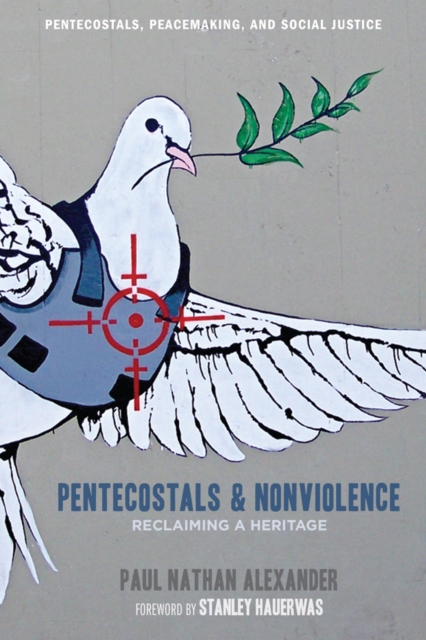
Pentecostals and Nonviolence explores how a distinctly Pentecostal-charismatic peace witness might be reinvigorated and sustained in the twenty-first century.
Presbyterian worship is known for its balance between form and freedom, seeking to be faithful to the leading of God's Word and open to the movement of God's spirit.
This book records a set of dialogues between scientists, theologians, and philosophers on what can be done to prevent a global slide into ecological collapse.
The desert wanderings of the Chosen People-and the spiritual lessons and encouragement they offer to us today-come alive in scripture teacher Sonja Corbitt's five-week Bible study on the Exodus account.
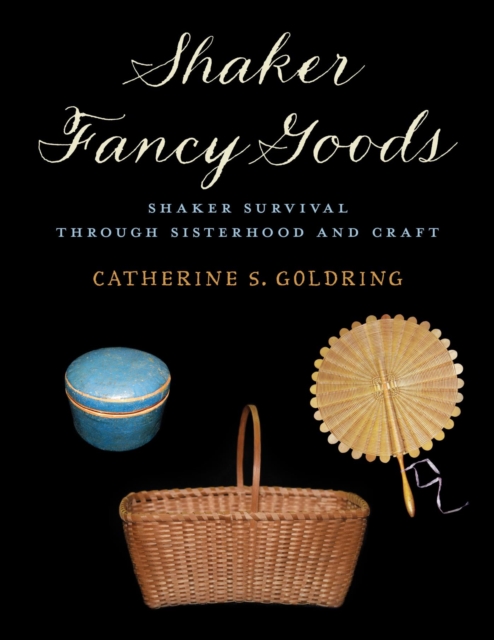
Shaker Fancy Goods tells the story of the Shaker Sisters of the nineteenth and early twentieth century who responded to the economic perils of the Industrial Revolution by inventing a lucrative industry of their ownFancy Goods, a Victorian term for small adorned household objects made by women for women.
The problem of animal suffering is the atheistic argument that an all-knowing, all-powerful, and all-good God would not use millions of years of animal suffering, disease, and death to form a planet for human beings.
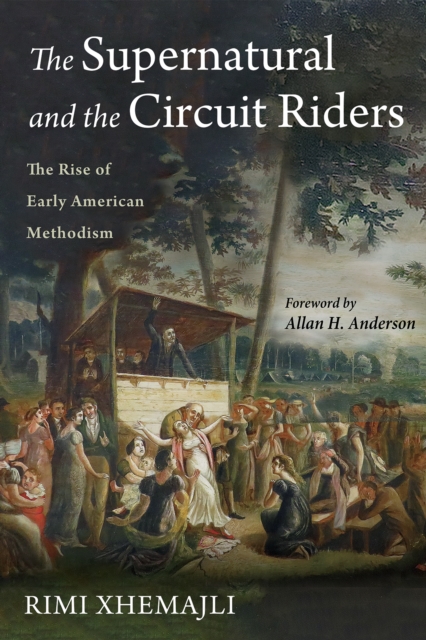
In The Supernatural and the Circuit Riders, Rimi Xhemajli shows how a small but passionate movement grew and shook the religious world through astonishing signs and wonders.
Care facilities often reflect the multifaith and multicultural nature of society, not least in a very diverse population of health and social care staff and care-recipients.
Though the Christian church has a well-developed theology of Godward-facing remorse about sin, it has paid little attention to the interpersonal implications of the remorse that people feel when they wrong one another.
A womanist church has great power to transform church and society, primarily because womanist theology centers the experiences of Black women while working for the survival and wholeness of all people and all creation.
Kitty Kielland's verve and confidence, scathing wit, and indignant ability (and willingness) to point out stupidity and hubris underpin her entry in the late nineteenth-century argument about "e;The Woman Question.
Whether exploring the thorny issues of wives' sexual duties, divorce, homosexuality, or sex outside marriage, discussions of sexual ethics and Islam often spark heated conflict rather than reasoned argument.