The Antipedo Baptists of Georgetown, South Carolina, 1710-2010 is the history of the First Baptist Church of Georgetown, South Carolina, as well as the history of Baptists in the colony and state.
African American scholar Anthony Bradley understands the growing interest in the intersections of theology and economics emerging in light of Christianity's commitment to loving the poor.
The English Baptist Andrew Fuller (1754-1815) is well-known today for his nuanced Evangelical answer to the "e;Modern Question"e; against hyper-Calvinism, founding and leading the Baptist Missionary Society, and his exemplary pastoral ministry.
Bury the Dead is a collection of personal encounters with death: stories of Alzheimer's, AIDS, cancer, hospice, suicide, murder, systemic violence, genocide, and war.
Against Empire analyzes the relationship between Christian theology and radical democracy by exploring how black prophetic thought, feminist theology, Latin American liberation theology, and peaceable theology offer plural forms of ekklesial resistance to empire: the black church (Cornel West), the ekklesia of wo/men (Elisabeth Schussler Fiorenza), the church of the poor (Ignacio Ellacuria, Jon Sobrino), and the peaceable church (Stanley Hauerwas).
This third volume of Ken Vaux's memoirs covers the calendar year of 2012 which focused on (1) teaching in the Evanston church as this body struggled to be both evangelical in theology and oriented to social justice in the community.
Human embryos, it has been said, "e;have no muscles, nerves, digestive system, feet, hands, face, or brain; they have nothing to distinguish them as a human being, and if one of them died, no one would mourn as they would for one of us.
In stark contrast to the shrill and nasty interactions among many Christians regarding contentious LGBT issues, this book models a redemptive mode of engagement by featuring respectful conversations among deeply committed Christians who hold to diverging traditional and non-traditional views.
In today's multi-cultural and multi-religious world, evangelism is often viewed as scandalous, not only by those who are opposed to anything religious, but also by many Christians.
The overall problem raised in this book is that the Western culture of modern rationality, power, and economics departs from a rather narrow, secular and ego-centric worldview.
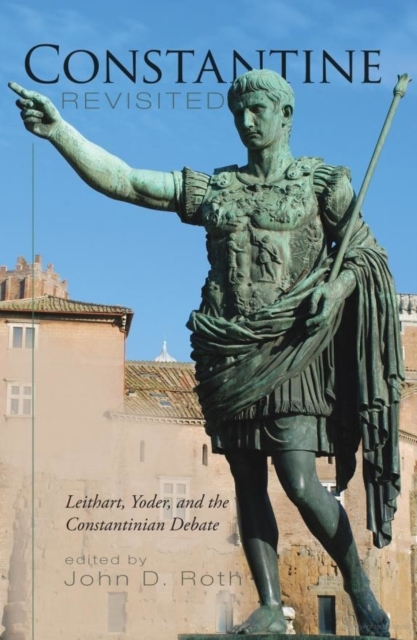
This collection of essays continues a long and venerable debate in the history of the Christian church regarding the legacy of the Roman emperor Constantine the Great.
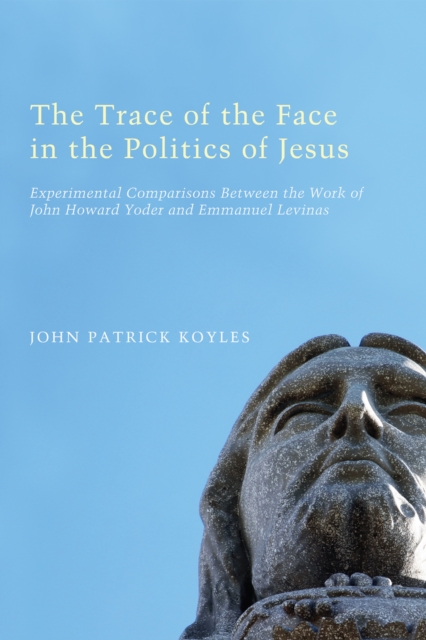
Taking its cue from Mark Nation's regret that John Howard Yoder refrained from a fuller engagement with the Western philosophical tradition, this book is an effort to explore the possibilities inherent in that conversation.
Obesity in the Global North and starvation in the Global South can be attributed to the same cause: the concentration of enormous power in the hands of transnational agricultural corporations.
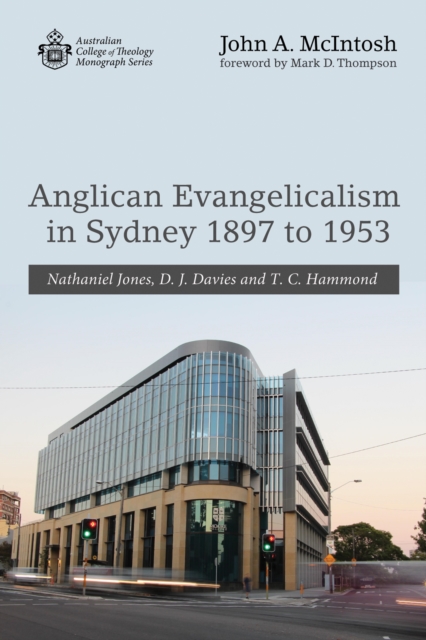
John McIntosh attempts to describe more accurately and completely the spectrum of Evangelicalism (Anglican) that three successive principals of Moore Theological College appropriated and taught in the period.
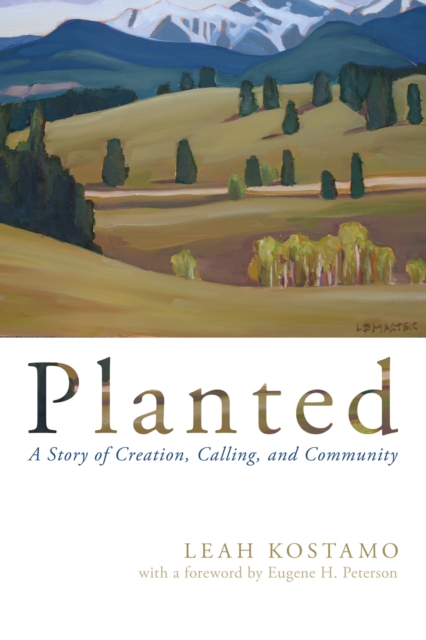
A Bird in the Hand is not a "e;how to"e; book, but a "e;how so"e; book in which the reader is invited to travel with Leah Kostamo on the wild ride of salmon saving, stranger welcoming, and God worshiping as she and her husband help establish the first Christian environmental center in Canada.
Political theology as a normative discourse has been controversial not only for secular political philosophers who are especially suspicious of messianic claims but also for Jewish and Christian thinkers who differ widely on its meaning.
This is the story of Gandhis spiritual evolution the turning points and choices that made him not just a great political leader but also a timeless icon of nonviolence.
Despite the fact that the theological gains of Latin American Liberation Theology (LALT) have been incorporated into several theologies around the world, many North Atlantic evangelicals still consider LALT a heresy.