Practicing Pilgrimage: On Being and Becoming God's Pilgrim People explores both the theological, cultural, and spiritual roots of Christian pilgrimage, and is a "e;how-to"e; book on doing pilgrimage in our suburban backyards, city streets, rural roads, churches, retreat centers, and our everyday life.
Thomas Aquinas and William Langland inherited the dynamic metaphor of journeying as a fundamental concept of the Christian life and harnessed it to animate their magisterial texts: the Summa Theologiae and Piers Plowman.
A study tour to Leipzig in the former East Germany (GDR) raised new questions for Roger Newell about the long struggle of the Protestant church with the German state in the twentieth century.
Wilhelm Loehe is one of the most significant nineteenth-century figures for North American church life and mission, whose influence continues into the present.
For more than half a century, the Anglican Diocese of Melbourne was unquestionably the most rigorously evangelical and missions-oriented diocese in Australia.
The book explores how African Christians in Ghana can think eco-theologically about the nexus of mining, waste pollution, water pollution, and land degradation.
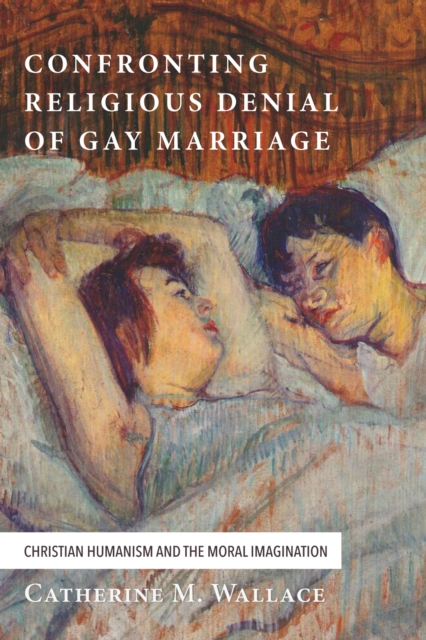
Writing in part for secular humanists, non-Christians, and ex-Christians, Wallace locates the beginning of religious vilification of LBGTQ Americans: these attacks recycle earlier, equally reactionary political opposition to racial desegregation and equal rights for women.
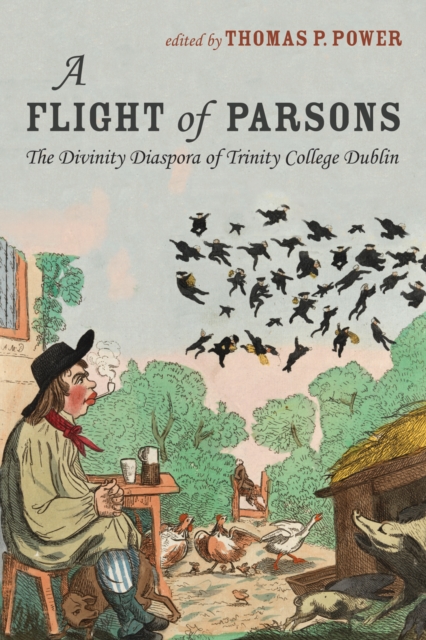
Irish Anglican clergymen played an important role in the creation of a nineteenth-century "e;Greater Ireland,"e; a term denoting a diasporic movement in which the Irish transformed into a global people, actively participating in British imperial expansion and colonial nation building.
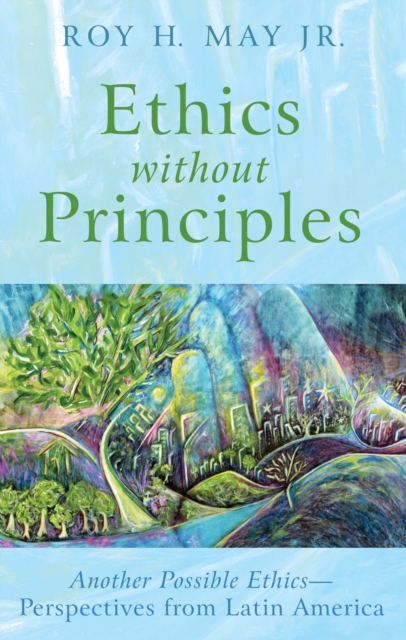
Ethics in the West too often equates morality with universal moral principles, thus imposing lifestyles and moral criteria that do not respect differences and local histories.
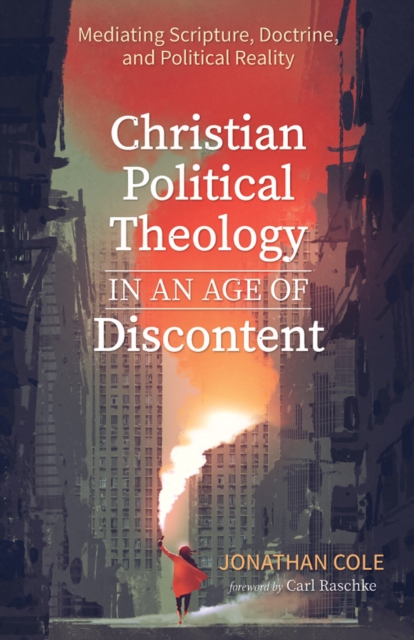
At a moment in which interest in political theology is rising, acceptance of a public role for religion is declining, and cynicism regarding both political and religious institutions is overflowing, this book investigates the possibilities and constraints of a Christian political theology that can meaningfully mediate Scripture, doctrine, and political reality.
This book is an attempt to develop a dialogue between the philosophy of Emmanuel Levinas, Jean Porter's Thomistic theory of the natural law, and the virtue of solidarity as expressed in Catholic Social Teaching.
Gundamentalism and Where It Is Taking America is the work of James Atwood, a retired Presbyterian pastor and an avid deer hunter for half a century who has also been in the forefront of the faith community's fight for two constitutional rights: the right to keep and bear arms and the right to live in domestic tranquility, free of gun violence.
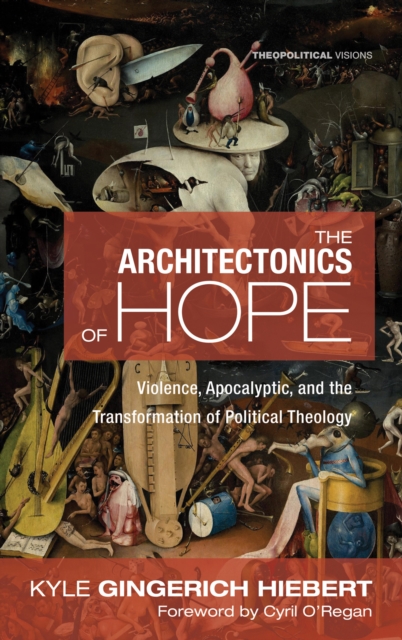
The Architectonics of Hope provides a critical excavation and reconstruction of the Schmittian seductions that continue to bedevil contemporary political theology.
The Beach Boys are one of rock's most enduring and enigmatic groups, and while the band has been the subject of numerous biographies and other in-depth studies, there has been no focused evaluation of the religious and spiritual themes in their work.
In this book, Stan Chu Ilo offers an integral theology of development and a critical social analysis of different development theories and practices in the world, especially in Africa.
In unKingdom, Mark Van Steenwyk takes a hard look at the ways Christianity has become complicit in imperialism and genocide, particularly in North America.