Feminist Responses to Crises and Dehumanization brings together academic knowledge with activist strategies and lived experiences from different socio-geographic angles--bridging the gap between theory and on-the-ground impact.
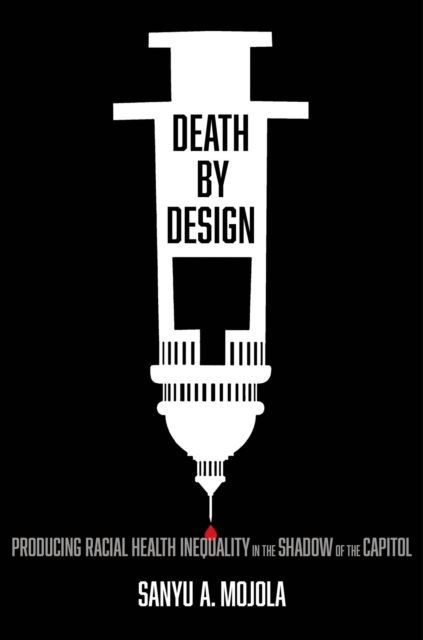
Washington, DC, has the nations largest racial life expectancy gap, and it has experienced many of the nations worst epidemics, including maternal and infant mortality, homicide, heroin overdoses, and HIV/AIDS.
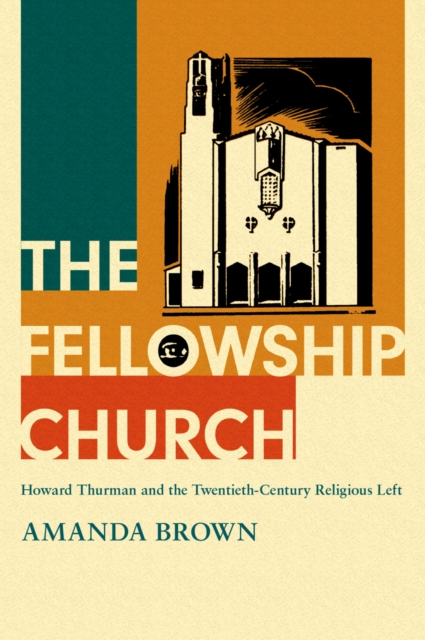
The Fellowship Church explores the evolution of the American religious left through a case study of the African American intellectual and theologian Howard Thurman, and the physical embodiment of his thought: The Church for the Fellowship of All Peoples.
Anime par un profond souci de justice intellectuelle, cet essai explore l'origine de l'homme et de l'univers a travers une analyse rigoureuse, comparant donnees historiques, temoignages anciens et observations scientifiques.
Feminist Responses to Crises and Dehumanization brings together academic knowledge with activist strategies and lived experiences from different socio-geographic angles--bridging the gap between theory and on-the-ground impact.
Les questions existentielles, telles que qui, quoi, comment et pourquoi, ont toujours habité l’être humain, donnant naissance à la philosophie, à la science et à la religion.
This book explores the potential relevance of the Upanishads, a corpus of ancient Eastern apophatic texts, to contemporary Western theories of consciousness and psychopathology, particularly in relation to psychoanalysis, neuroscience, and schizophrenia-spectrum disorders.
This book explores the potential relevance of the Upanishads, a corpus of ancient Eastern apophatic texts, to contemporary Western theories of consciousness and psychopathology, particularly in relation to psychoanalysis, neuroscience, and schizophrenia-spectrum disorders.
This study explores the relationship between the sacred and the virtual, emphasizing the sacred as a divinely dependent, consecrated space activated through ritual, mediating between the profane and the holy.
This study explores the relationship between the sacred and the virtual, emphasizing the sacred as a divinely dependent, consecrated space activated through ritual, mediating between the profane and the holy.
The central questions shaping this book revolve around how the Church of England’s engagement in the public sphere has changed over time, and how Anglicans more broadly have participated in public debates over military intervention.