Kühlewind meinte, einen fundamentalen Zug aller anspruchsvollen Bücher erkannt zu haben - und die Evangelien hielt er für ebensolche anspruchsvolle Bücher, die auf der informativen Ebene nicht oder nicht wesenhaft verstanden werden können.
"Wenn die innere Kraft des Denkens so entwickelt wird, ohne dass die Denkkraft den äußeren Körper benutzt, dann werden wir eine Kenntnis des inneren Lebens erlangen, werden unser wahres Selbst erkennen, unser höheres Ich.
"Es erhöht die Würde des Menschen, dass grausam immer zerstört wird, was er schafft; denn er muss immer aufs Neue bilden und schaffen; und im Tun liegt unser Glück, in dem, was wir selbst vollbringen.
The Routledge Companion to Shakespeare and Religion surveys new and longstanding critical conversations about the role of religion in Shakespeare's plays and poems.
Leading Old Testament scholar Tremper Longman III provides students and pastors with expert guidance on choosing a commentary for any book of the Old Testament.
Step Into the Depths Where Eternal Questions Ignite the SoulInfernos Edge: Unveiling the Final Embrace of Eternal Damnation plunges you into a profound exploration of one of humanitys most haunting and enduring mysteries: the nature of eternal punishment.
Exploring the Rich Dialogue That Shapes Our Shared Philosophical HeritageStep into a journey that transcends borders and epochs, revealing the profound conversations between Muslim and Western philosophers that have shaped the course of human thought.
Die Geschichte einer Religion zwischen Glauben und MachtpolitikMit großer Erzählkunst schildert Peter Heather den langen Prozess der Entstehung des Christentums und zeigt, wie es sich über ein Jahrtausend hinweg verwandelte und zu einem machtvollen Element europäischer Politik und Kultur wurde.
Many oppose dogma fearing that heresy accusations lead to violence; similarly, opposition to claims of infallible church authority stems from fears of fanaticism, closed-mindedness, and blind obedience.
First published in 1931, The Cross Moves East examines Gandhi's concept of Satyagraha (non-violent resistance) and analyses its philosophical parallels with Christian principles.
First published in 1967, Faith in a Changing Culture examines the relationship between religious faith and cultural transformation during a period of significant social change.
First published in 1931, The Cross Moves East examines Gandhi's concept of Satyagraha (non-violent resistance) and analyses its philosophical parallels with Christian principles.
First published in 1967, Faith in a Changing Culture examines the relationship between religious faith and cultural transformation during a period of significant social change.
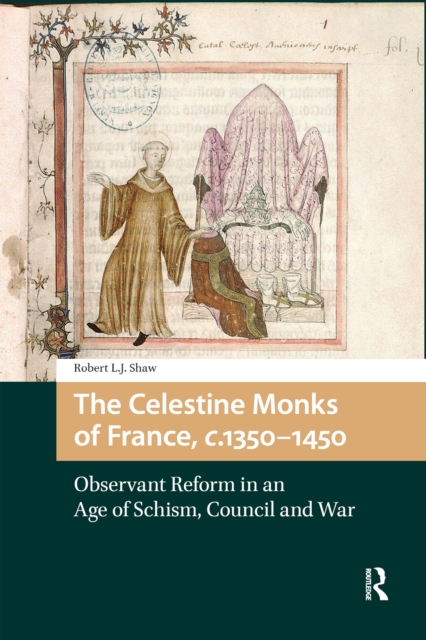
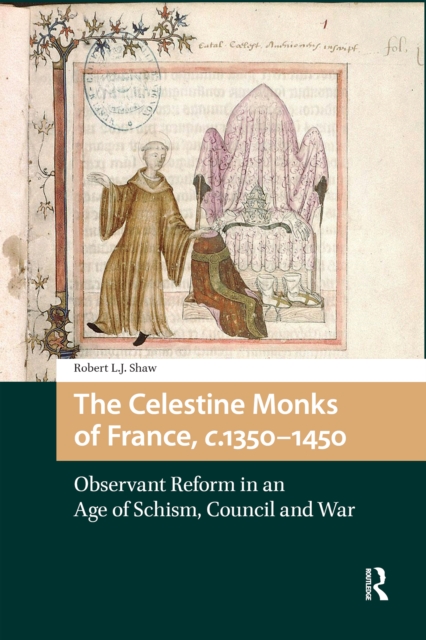
The Celestine monks of France represent one of the least studied monastic reform movements of the late Middle Ages, and yet also one of the most culturally impactful.
This book provides a critique of naturalistic views of subjects and agency, arguing that these are conditioned ways of conceiving of the mind and the cosmos.
The Celestine monks of France represent one of the least studied monastic reform movements of the late Middle Ages, and yet also one of the most culturally impactful.
Many oppose dogma fearing that heresy accusations lead to violence; similarly, opposition to claims of infallible church authority stems from fears of fanaticism, closed-mindedness, and blind obedience.
This book examines how Christian teachings on love and enmity shape group identity and conflict, with scripture and theology used both to justify violence and call for reconciliation.
Freedom With Religions offers a new interpretation of Rawls' political liberalism, aiming to reconcile this framework with the profound forms of religious pluralism that characterise contemporary democracies.
Freedom With Religions offers a new interpretation of Rawls' political liberalism, aiming to reconcile this framework with the profound forms of religious pluralism that characterise contemporary democracies.
Amidst rising global inequality, intensifying geopolitical frictions, and the renewed force of colonial logics, this volume offers a critical interrogation of coloniality, decolonial practices, global capitalism, and the technologies of governance that entrench social and environmental injustice.
John Boyle provides an in-depth account of the neglected contributions made by Western esotericism in the formation of an occluded 'psychoanalytic parapsychology' active within psychoanalysis since its inception, the distinguishing features of which he argues have continued to persist within psychoanalysis to this day.