The pentagram, a five-pointed star drawn with five continuous straight strokes, is perhaps the most enduring and misunderstood symbol in human history.
The goal of this book is to advance our understanding of how “high-stakes information”, including religious information, will be presented by AI systems and the implications to our sense of identity, how we see the world and how we treat others.
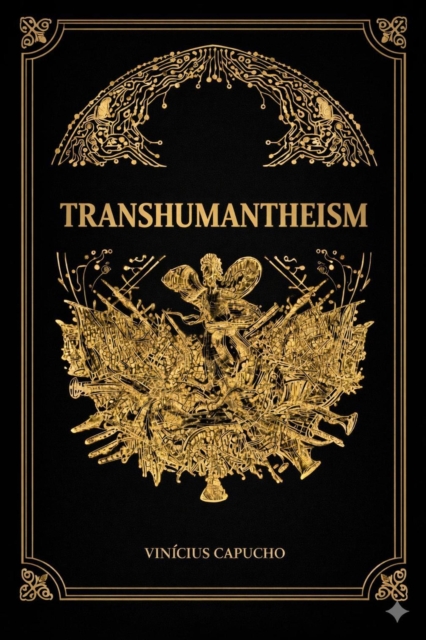
This volume is the first to articulate ethical foundations of transhumanism from perspectives focused on transhuman flourishing, as opposed to utilitarian or deontological approaches.
This book examines the role of American churches, particularly the United Methodist Church (UMC), in perpetuating a mindset of segregation and normalizing whiteness.
This book examines the sociopolitical lives of gender nonconforming people (GNCP) in India in the context of the transformations wrought by HIV and LGBTQ activism over the past three decades.
This book offers a fresh rethinking of Turkish foreign policy under the Justice and Development Party (AKP), drawing on both mainstream and critical approaches within International Relations (IR) theory.
This book offers a fresh rethinking of Turkish foreign policy under the Justice and Development Party (AKP), drawing on both mainstream and critical approaches within International Relations (IR) theory.
This book examines the sociopolitical lives of gender nonconforming people (GNCP) in India in the context of the transformations wrought by HIV and LGBTQ activism over the past three decades.
This book examines the critical intersection of religion, democracy, and political leadership in three prominent Muslim-majority states—Malaysia, Pakistan, and Turkey.
This volume is the first to articulate ethical foundations of transhumanism from perspectives focused on transhuman flourishing, as opposed to utilitarian or deontological approaches.
The goal of this book is to advance our understanding of how “high-stakes information”, including religious information, will be presented by AI systems and the implications to our sense of identity, how we see the world and how we treat others.
This book analyzes the relation between the Churches’ official teachings regarding ‘desired’ and forbidden forms of sexual behaviour on the one hand, and mundane practice on the other hand, focusing on perspectives ‘from below’.
Object Spirituality critically examines the implications of the emerging philosophical movement of Speculative Realism for the study of spirituality and theology.
This book examines the role of American churches, particularly the United Methodist Church (UMC), in perpetuating a mindset of segregation and normalizing whiteness.
Object Spirituality critically examines the implications of the emerging philosophical movement of Speculative Realism for the study of spirituality and theology.
This book examines the critical intersection of religion, democracy, and political leadership in three prominent Muslim-majority states—Malaysia, Pakistan, and Turkey.
This book investigates the history of the Protestant voting blocs and associations in the Irish border counties of Cavan, Donegal and Monaghan, from 1920 to 2016.
This substantially updated fourth edition of a classroom standard provides students with an accessible introduction to the literature, history, and social context of the Old Testament.
This book analyzes the relation between the Churches’ official teachings regarding ‘desired’ and forbidden forms of sexual behaviour on the one hand, and mundane practice on the other hand, focusing on perspectives ‘from below’.
In The Eloquent Tyrant, Pamela Klasova presents a cultural history of speech in the early Islamic empire, examining the relationship between the spoken word and power through the oratorical practice of the powerful governor of Iraq, al-ajjj b.
Between Dung and Blood investigates the stories of two sixteenth-century saints: the Spanish Christian Teresa de Jess and the Moroccan Sufi Sd Riwn al-Januw, both from families of converts.
In The Eloquent Tyrant, Pamela Klasova presents a cultural history of speech in the early Islamic empire, examining the relationship between the spoken word and power through the oratorical practice of the powerful governor of Iraq, al-ajjj b.