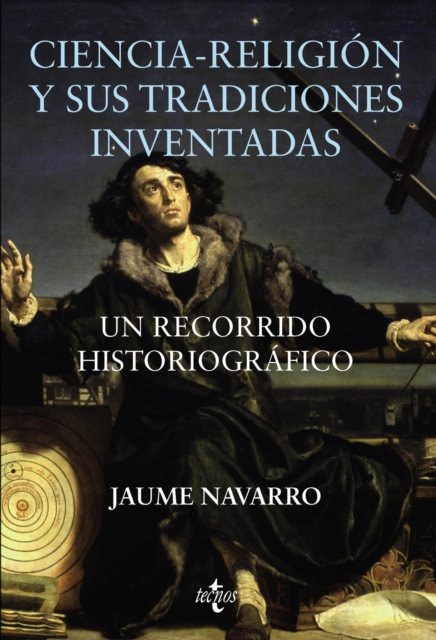
Las relaciones entre ciencia y religión son un campo de gran atractivo para el mundo de la filosofía, de la ciencia, de la historia y de las religiones, así como para el público general.
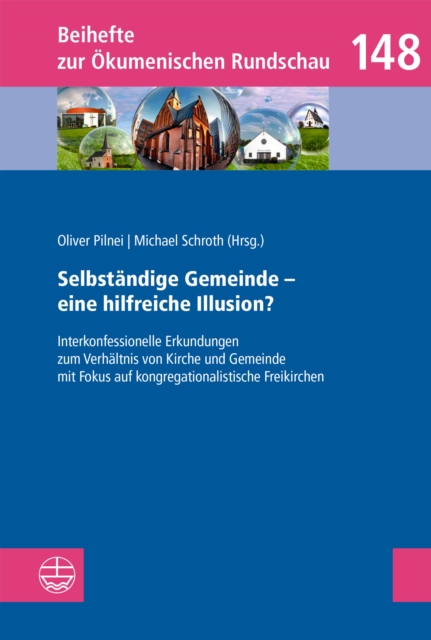
Dass die Ortsgemeinde in Fragen der Leitung, Lehre und Ordnung selbstständig ist, stellt die ekklesiologische Leitüberzeugung des Kongregationalismus dar.
Amid global dialogue on the nature of human enhancement, this book traces humanity's pursuit of self- transcendence and enhancement from ancient times to the present, as reflected in diverse traditions across the globe.
Navigating Disability, HIV, Relationships and Abuse for Christian Women in Nigeria contains poignant stories of formidable women who, because of their gender and disabilities, were sexually assaulted and infected with HIV by people known to and loved by them.
Navigating Disability, HIV, Relationships and Abuse for Christian Women in Nigeria contains poignant stories of formidable women who, because of their gender and disabilities, were sexually assaulted and infected with HIV by people known to and loved by them.
This book opens a new and timely conversation between the study of religion and infrastructure studies through the innovative concept of religious infrastructure.
Studienarbeit aus dem Jahr 2023 im Fachbereich Theologie - Vergleichende Religionswissenschaft, Note: 1,7, Pädagogische Hochschule Heidelberg (Institut für Philosophie und Theologie), Veranstaltung: Grundwissen zu Weltreligionen, Sprache: Deutsch, Abstract: Der Fokus dieser Arbeit liegt auf dem Leben des historischen Buddha Siddharta Gautama sowie dessen Lehre.
Studienarbeit aus dem Jahr 2024 im Fachbereich Theologie - Historische Theologie, Kirchengeschichte, Note: 1,0, , Veranstaltung: Reformationsgeschichte, Sprache: Deutsch, Abstract: Die vorliegende Hausarbeit untersucht den tiefgreifenden Abendmahlsstreit zwischen Martin Luther und Huldrych Zwingli, zwei zentralen Figuren der Reformation.
This book offers the first comprehensive prosopographical and comparative study of permanent apostolic nunciatures in post-Tridentine Europe (1562-1605), substantially extending earlier chronological repertories.
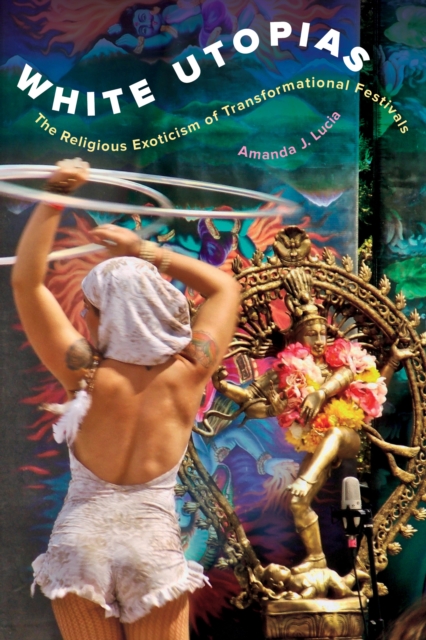
Transformational festivals, from Burning Man to Lightning in a Bottle, Bhakti Fest, and Wanderlust, are massive events that attract thousands of participants to sites around the world.
Examensarbeit aus dem Jahr 2021 im Fachbereich Theologie - Historische Theologie, Kirchengeschichte, Note: 2,3, , Sprache: Deutsch, Abstract: In einer Zeit des wachsenden Nationalsozialismus und des tobenden Kirchenkampfes wagte Dietrich Bonhoeffer ein einzigartiges Experiment: das Predigerseminar Zingst.
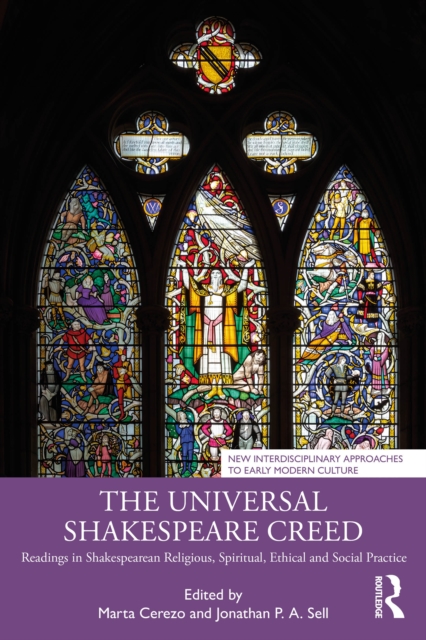
The Universal Shakespeare Creed gathers together 11 essays by an international team of leading scholars addressing crucial aspects of Shakespeare's transnational and transcultural religious afterlives.
Studienarbeit aus dem Jahr 2020 im Fachbereich Theologie - Praktische Theologie, Note: 1,3, Universität Münster (Seminar für Liturgiewissenschaft), Sprache: Deutsch, Abstract: In dieser Arbeit wird die Struktur der Liturgie der orthodoxen Kirche auf ihre historische Wandelbarkeit hin untersucht.
Studienarbeit aus dem Jahr 2020 im Fachbereich Theologie - Historische Theologie, Kirchengeschichte, Note: 1,3, Technische Universität Carolo-Wilhelmina zu Braunschweig, Sprache: Deutsch, Abstract: Im Rahmen der schriftlichen Ausarbeitung soll das Zeitverständnis des späteren Rhetorikdozenten anhand der Confessiones I-XIII dargestellt werden.
Essay aus dem Jahr 2020 im Fachbereich Theologie - Historische Theologie, Kirchengeschichte, Note: 1,00, Universität Salzburg (Bibelwissenschaft/Kirchengeschichte), Veranstaltung: Lektüre und Interpretation patristischer Texte (Aurelius Augustinus), Sprache: Deutsch, Abstract: Bei dieser Arbeit handelt es sich um eine Reflexion des Verständnisses von Frieden in "De civitate Dei".
Studienarbeit aus dem Jahr 2021 im Fachbereich Theologie - Islamische Religionswissenschaft, Note: 1,7, Justus-Liebig-Universität Gießen, Sprache: Deutsch, Abstract: In der vorliegenden Arbeit soll wissenschaftlich die Fragestellung behandelt werden, wie der Gott im Koran dargestellt wird.
Transmitida ordinariamente de forma oral, la literatura indígena americana de época precolombina que se conserva (trasladada al papel sólo a partir del siglo XVI por medio del alfabeto español) es escasa.
Essay aus dem Jahr 2021 im Fachbereich Theologie - Historische Theologie, Kirchengeschichte, Note: 1,0, Universität Münster, Sprache: Deutsch, Abstract: Die Arbeit beschäftigt sich mit der Frage, ob der erste Kreuzzug, nach Augustinus bellum iustum Lehre, ein gerechter Krieg war.
Examining the administration of assets during the trial of the French Templars, as well as the settlement process that took place after the Order's dissolution, this book focuses on material aspects of the proceedings in France that have never been analysed in detail.
Amid global dialogue on the nature of human enhancement, this book traces humanity's pursuit of self- transcendence and enhancement from ancient times to the present, as reflected in diverse traditions across the globe.
Studienarbeit aus dem Jahr 2020 im Fachbereich Theologie - Islamische Religionswissenschaft, Note: 2,0, Universität Bielefeld, Sprache: Deutsch, Abstract: Diese Hausarbeit handelt von dem Mahdi-Glauben.
Studienarbeit aus dem Jahr 2021 im Fachbereich Theologie - Praktische Theologie, Note: 83 / 100, , Sprache: Deutsch, Abstract: In dieser Arbeit habe ich zur Thematik „vollmächtiges Predigen“ erstellt und ausgearbeitet, nebst der mündlich vorgetragenen Predigt über Gnade.
Essay aus dem Jahr 2020 im Fachbereich Theologie - Hinduismus, Note: 1,7, Universität Hamburg, Veranstaltung: Zur Kulturgeschichte und Hauptwerke Südostasien und Tibets, Sprache: Deutsch, Abstract: Diese Arbeit befasst sich mit der Entwicklung der vedischen Vorgänger der beiden wichtigsten Gottheiten des Hinduismus: Shiva und Vishnu.
Studienarbeit aus dem Jahr 2021 im Fachbereich Theologie - Islamische Religionswissenschaft, Note: 1,0, Justus-Liebig-Universität Gießen, Sprache: Deutsch, Abstract: Die vorliegende Hausarbeit stellt dar, wie der Mensch mit all seiner Existenz und seinem Leben im Koran präsentiert wird.
With the outbreak of the Korean War, the poor, rural West German state of Rhineland-Palatinate became home to some of the largest American military installations outside the United States.
This unique volume brings together intergenerational survivors of genocide and mass atrocities, who are actively engaged in producing knowledge related to their lived and inherited experiences, to share their stories.
This book offers the first comprehensive prosopographical and comparative study of permanent apostolic nunciatures in post-Tridentine Europe (1562-1605), substantially extending earlier chronological repertories.
This book opens a new and timely conversation between the study of religion and infrastructure studies through the innovative concept of religious infrastructure.
The Universal Shakespeare Creed gathers together 11 essays by an international team of leading scholars addressing crucial aspects of Shakespeare's transnational and transcultural religious afterlives.
In this immersive ethnography, Tony Tian-Ren Lin explores the reasons that Latin American immigrants across the United States are increasingly drawn to Prosperity Gospel Pentecostalism, a strand of Protestantism gaining popularity around the world.