A Housewife Prays is a collection of short stories depicting situations of everyday life and the extraordinary events as seen through the eyes of a woman who has experienced the power of faith firsthand.
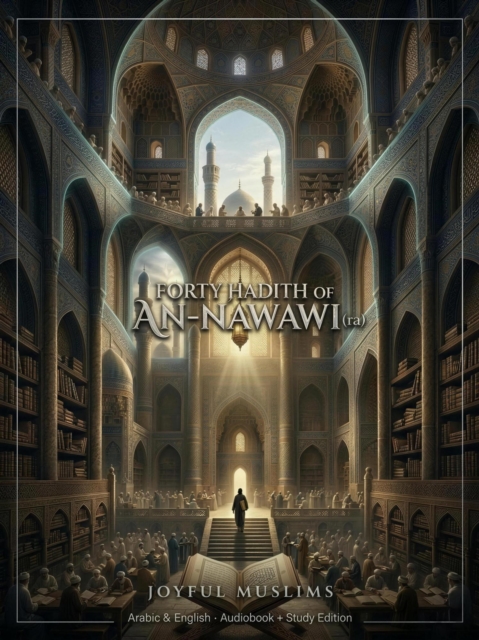
In seventh-century Damascus, Imam an-Nawawi gathered forty-two hadiths he judged to be the foundations of the entire religion — on intention, sincerity, mercy, lawful earning, and trust in Allah — drawn largely from Bukhari and Muslim.
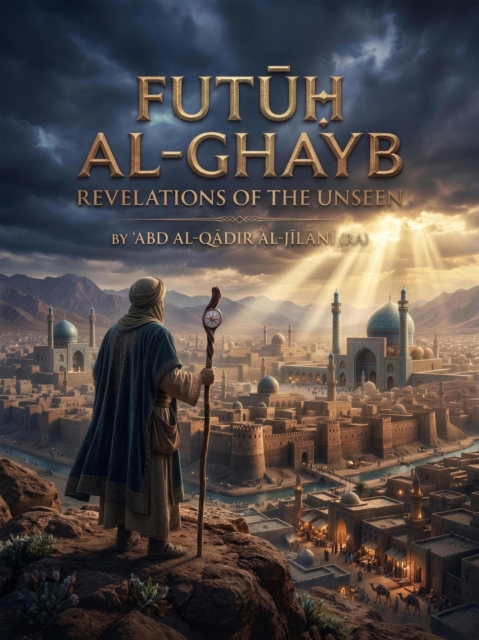
In twelfth-century Baghdad, crowds gathered to hear Shaykh Abd al-Qadir al-Jilani speak about the states of the heart — trial, provision, leaving the self, standing with God.
Will eine Aktiengesellschaft frisches Bargeld beschaffen, ohne einen Kredit aufzunehmen, bietet die Kapitalerhöhung gegen Einlagen eine willkommene Alternative.
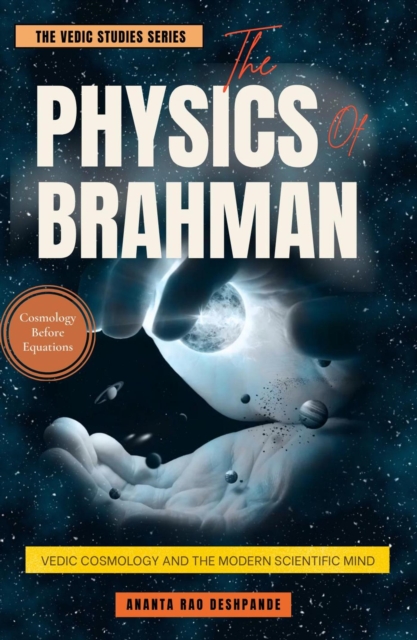
Twenty years ago, in a physics department common room in Pune, I noticed something that has not let go of me since: a cosmologist's whiteboard, covered in the mathematics of an expanding universe, sitting beside a printed verse from the Rig Veda that denied, three thousand years earlier, that being or non-being could even be said to have existed before creation.
This book presents a comprehensive analysis of governance and ethno-nationality policies in China, with a particular emphasis on the historical strategies employed by the Chinese state in managing its relations with non-Han nationalities and ethno-religious groups.
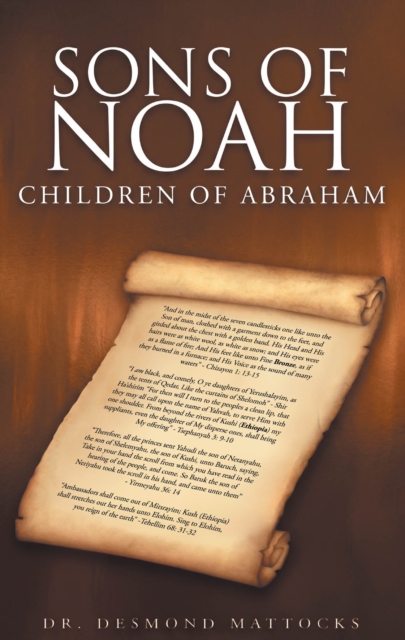
And in the midst of the sevencandlesticks one like unto the Son of man, clothed with a garment down to the feet,and girded about the chest with a golden band.
This book presents primarily firsthand information from some mysterious and unpublished archaeological sites excavated in the Swat Valley in the 1980s.
This book presents primarily firsthand information from some mysterious and unpublished archaeological sites excavated in the Swat Valley in the 1980s.
Escritos entre diciembre de 1941 y mayo de 1942, en su exilio durante la guerra, estos textos son el fruto más luminoso del pensamiento de Simone Weil.
This book presents a comprehensive analysis of governance and ethno-nationality policies in China, with a particular emphasis on the historical strategies employed by the Chinese state in managing its relations with non-Han nationalities and ethno-religious groups.
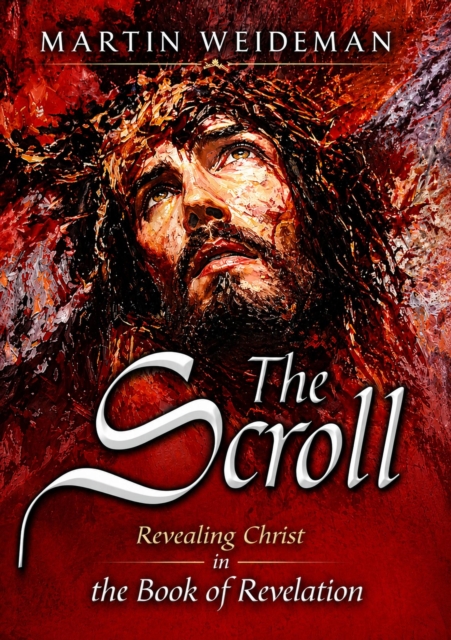
The Scroll – The Opening of Christ in the Book of RevelationWhat if the book of Revelation is not primarily about the end of the world, but about the full unveiling of Jesus Christ and His finished work?
The Fractured HourglassWhen a series of impossible murders begins to terrorize Mumbai, Detective Kavya Rajpurohit is drawn into an investigation unlike anything she has faced before.
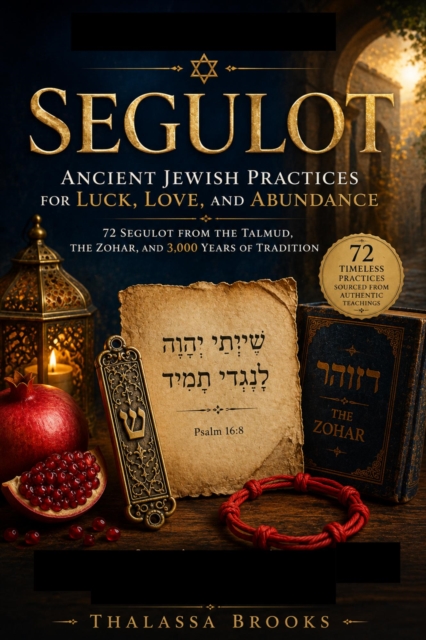
Ancient Jewish Secrets for Luck, Love, and Abundance — 72 Segulot from the Talmud, the Zohar, and 3,000 Years of TraditionFor three thousand years, Jewish tradition has quietly practiced something most of the world only discovered recently: that small, deliberate acts — a bite of fruit, a knotted red thread, a psalm recited at exactly the right hour — can open doors that willpower alone cannot.
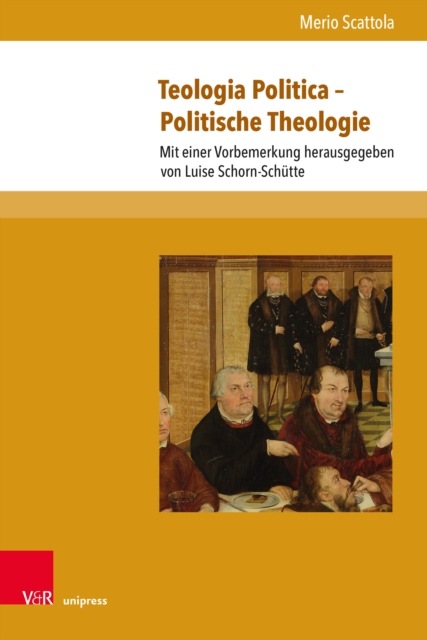
Der vorliegende Band bietet die erste deutsche Übersetzung der »Teologia politica« des Philosophen Merio Scattola (1962–2015) sowie eine Einführung von Luise Schorn-Schütte.
Dieser Band bietet eine methodische und inhaltliche Einführung in die Religionswissenschaft anhand der großen Weltreligionen Judentum, Christentum, Islam, Hinduismus und Buddhismus.
This monograph investigates, from a distinctive philosophical perspective informed by pragmatism, the relation between the transcendental and the transcendent.
This monograph investigates, from a distinctive philosophical perspective informed by pragmatism, the relation between the transcendental and the transcendent.