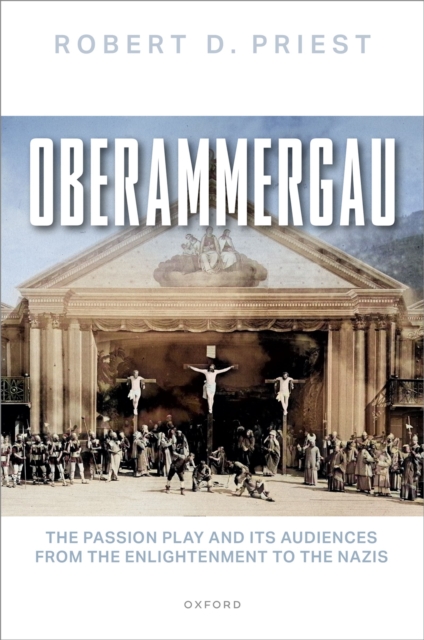
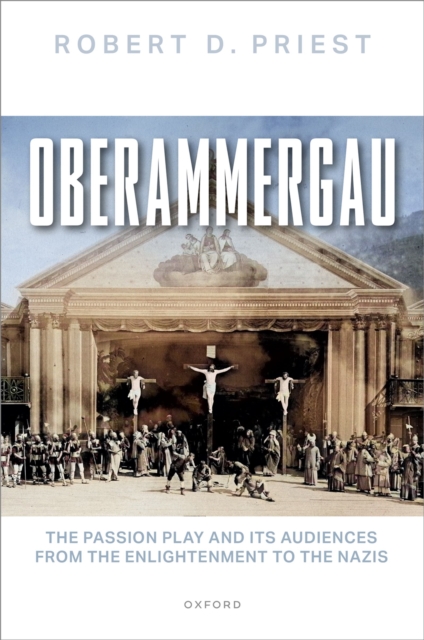
The passion play at Oberammergau in Bavaria is one of the oldest theatrical spectacles in the world, with a history of regular performance that dates back to 1634.
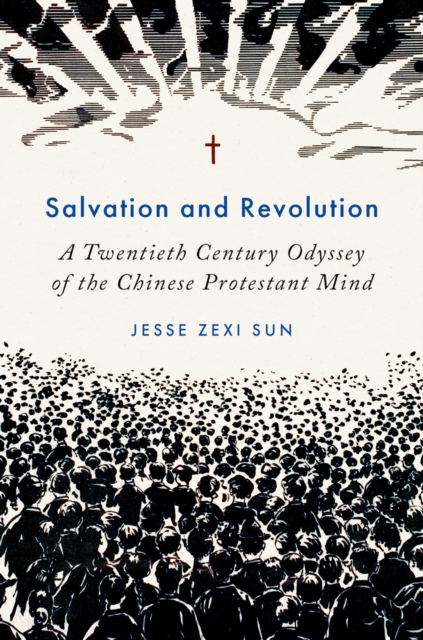
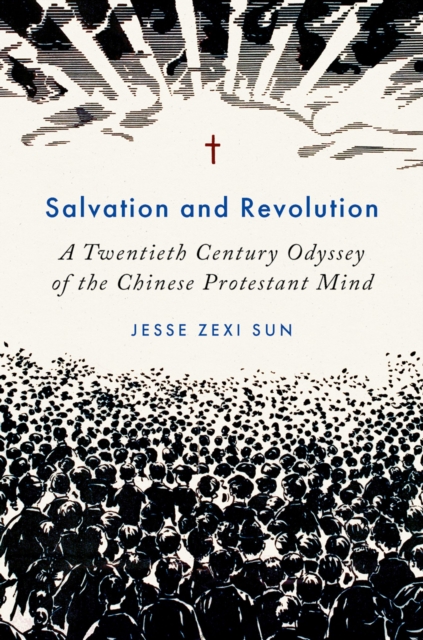
Salvation and Revolution traces the intricate paths of Chinese Protestant intellectuals as they grappled with their Christian faith amidst the upheavals of modern China.
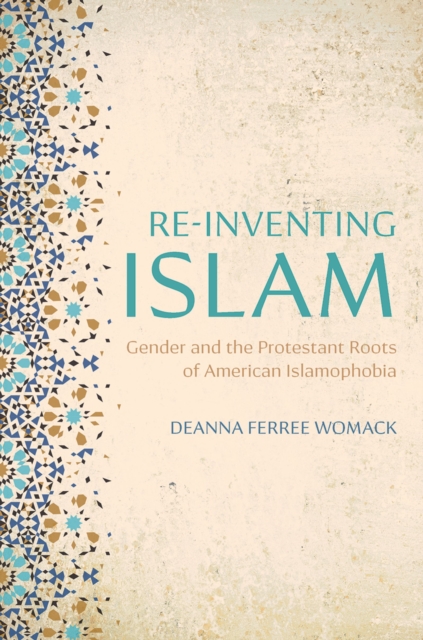
From the end of the American Civil War to the start of World War II, the Protestant missionary movement unintentionally tilled the soil in which American Islamophobia would eventually take root.
The passion play at Oberammergau in Bavaria is one of the oldest theatrical spectacles in the world, with a history of regular performance that dates back to 1634.
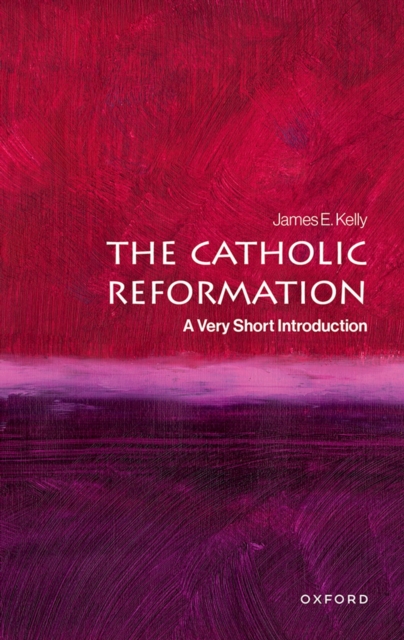
Very Short Introductions: Brilliant, Sharp, InspiringThe Catholic Reformation: A Very Short Introduction traces the Catholic Reformation from its beginnings in the first half of the sixteenth century, through the years of unrest in Europe, to its global expansion in the Americas, Asia, and Africa, and its continued influence and legacy into the twentieth century.
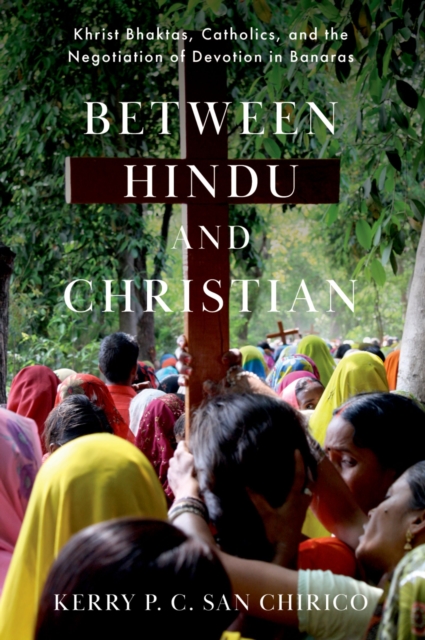
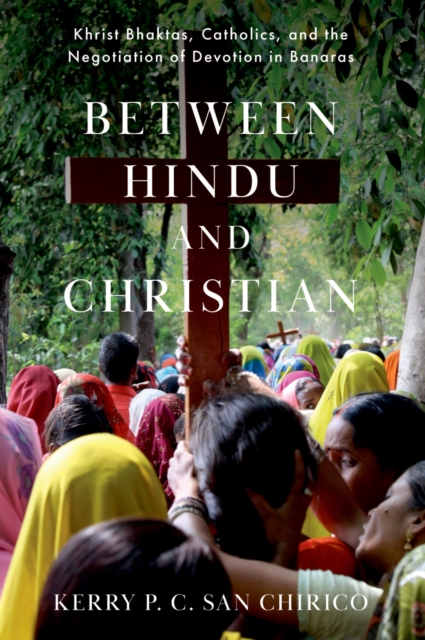
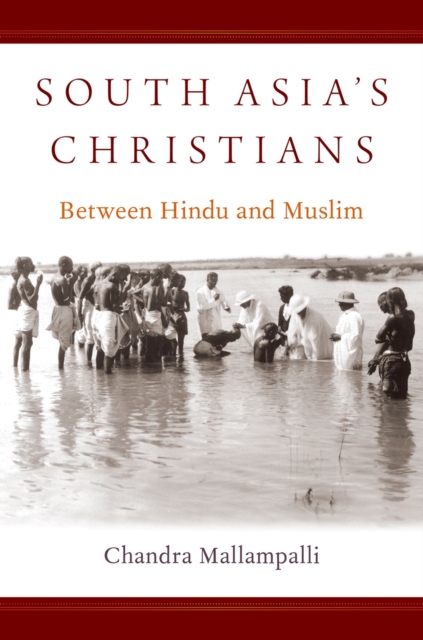
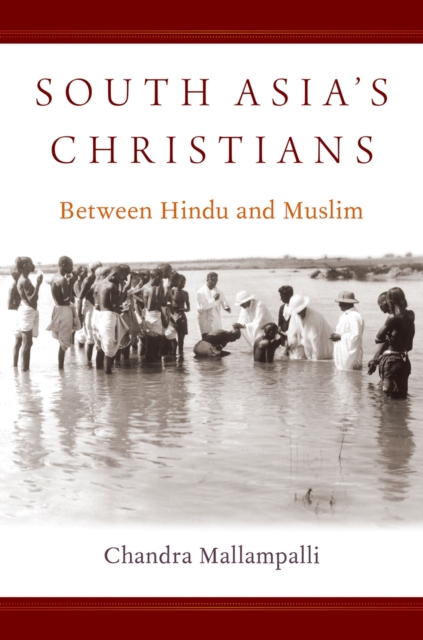
On the second Saturday of each month, on the outskirts of the ancient city of Varanasi, Shiva's own city, thousands of shudra and Dalit devotees worship Yesu (Jesus) at a Catholic ashram.
On the second Saturday of each month, on the outskirts of the ancient city of Varanasi, Shiva's own city, thousands of shudra and Dalit devotees worship Yesu (Jesus) at a Catholic ashram.
In Black is a Church, Josef Sorett maps the ways in which black American culture and identity have been animated by a particular set of Protestant ideas and practices in order to chart the mutually reinforcing discourses of racial authenticity and religious orthodoxy that have made Christianity essential to the very notion of blackness.
Salvation and Revolution traces the intricate paths of Chinese Protestant intellectuals as they grappled with their Christian faith amidst the upheavals of modern China.
In Black is a Church, Josef Sorett maps the ways in which black American culture and identity have been animated by a particular set of Protestant ideas and practices in order to chart the mutually reinforcing discourses of racial authenticity and religious orthodoxy that have made Christianity essential to the very notion of blackness.
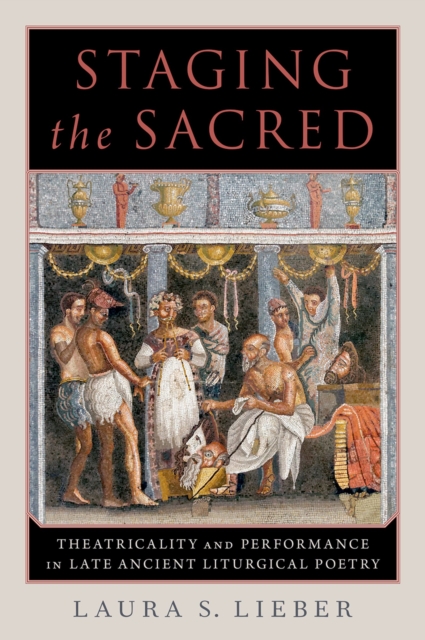
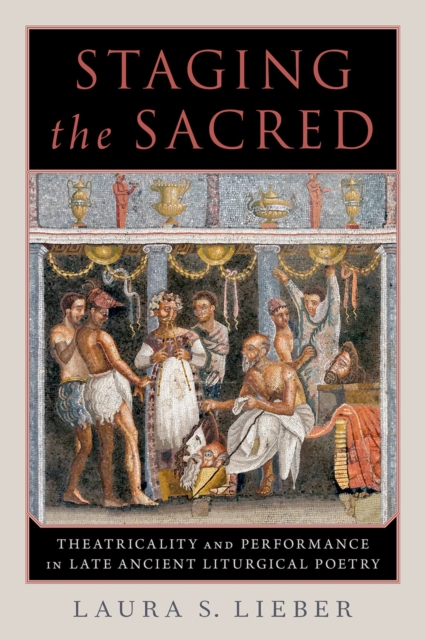
Staging the Sacred examines the importance of Christian, Jewish, and Samaritan liturgical poetry from Late Antiquity through the lenses of performance, entertainment, and spectacle.
Staging the Sacred examines the importance of Christian, Jewish, and Samaritan liturgical poetry from Late Antiquity through the lenses of performance, entertainment, and spectacle.
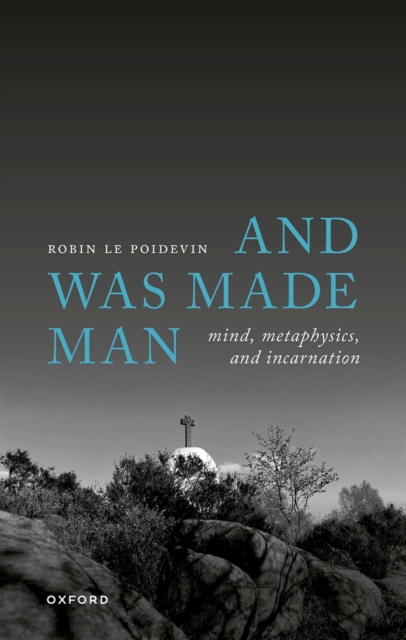
The doctrine of the incarnation - that God became human in Christ - is one of the most astonishing propositions ever advanced, and it is at the heart of the Christian faith.
The Lithic Imagination from More to Milton explores how stones, rocks, and the broader mineral realm play a vital role in early modern England's religious and cultural systems, a role that, in turn, informs the period's poetic and visual imagination.
When we think of archaeology, most of us think first of its many spectacular finds: the legendary city of Troy, Tutankhamun's golden tomb, the three-million-year-old footprints at Laetoli, the mile-high city at Machu Picchu, the cave paintings at Lascaux.
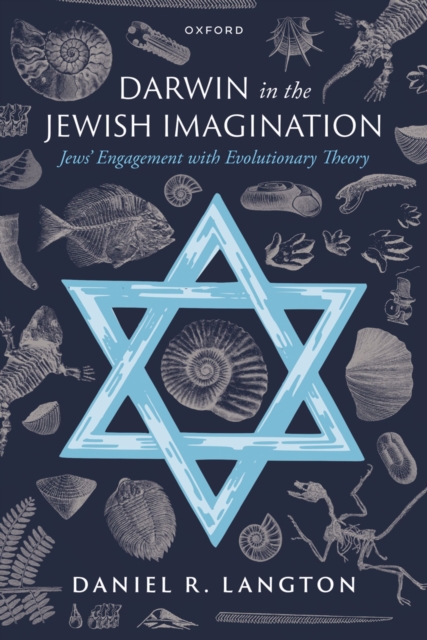
Darwin in the Jewish Imagination provides an overview of Jewish responses to Darwinian evolution, one of the most transformative and challenging ideas of the industrial age.
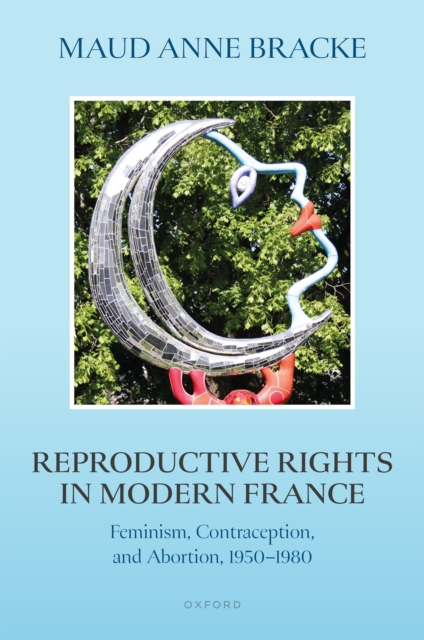
The introduction of the principle of women's reproductive liberty in France, tentatively by the family planning movement after 1960 and explicitly by the women's liberation movement after 1970, marked a deep shift, transforming public discourses.
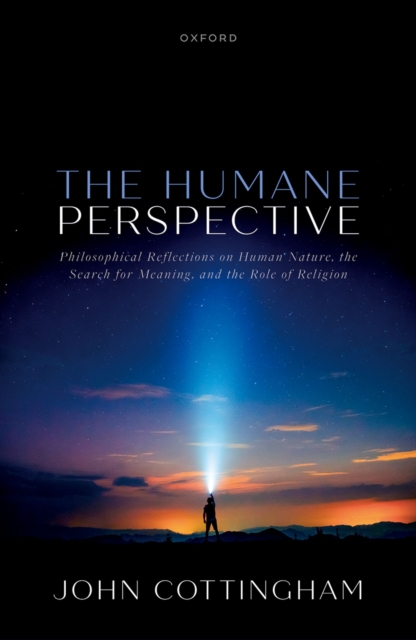
The book brings together fourteen essays from the work of John Cottingham on moral philosophy and the philosophy of religion spanning the past fifteen years.
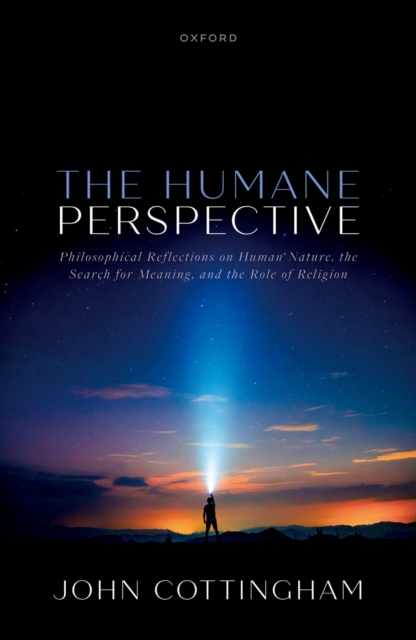
The book brings together fourteen essays from the work of John Cottingham on moral philosophy and the philosophy of religion spanning the past fifteen years.
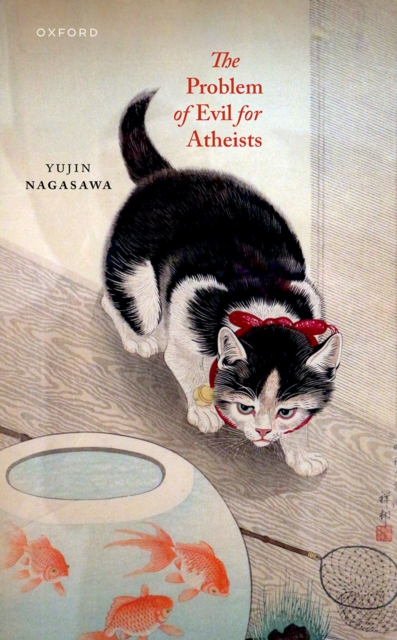
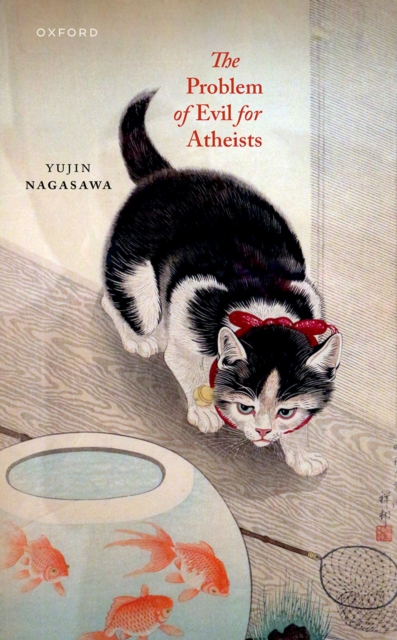
The problem of evil has long perplexed traditional theists: Why do terrible events, such as crimes, wars, and natural disasters, occur in a world believed to be created by an omnipotent and wholly good God?
The problem of evil has long perplexed traditional theists: Why do terrible events, such as crimes, wars, and natural disasters, occur in a world believed to be created by an omnipotent and wholly good God?
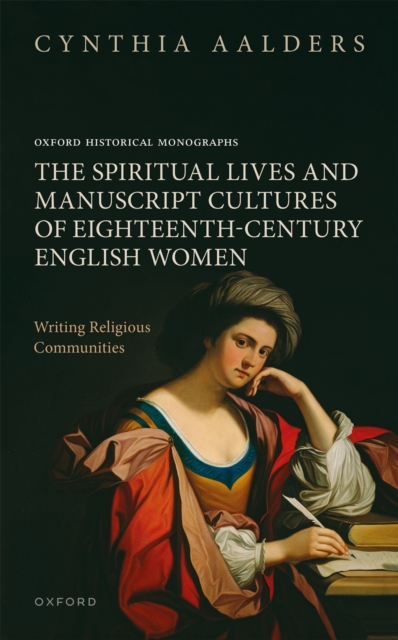
The Spiritual Lives and Manuscript Cultures of Eighteenth-Century English Women explores the vital and unexplored ways in which women's life writings acted to undergird, guide, and indeed shape religious communities.
The introduction of the principle of women's reproductive liberty in France, tentatively by the family planning movement after 1960 and explicitly by the women's liberation movement after 1970, marked a deep shift, transforming public discourses.
The writings of ancient and medieval Christian mystics were rediscovered in the twentieth century, and today they are read more widely than ever before.
The Spiritual Lives and Manuscript Cultures of Eighteenth-Century English Women explores the vital and unexplored ways in which women's life writings acted to undergird, guide, and indeed shape religious communities.
A topic of universal concern that touches everyone, philosophy of meaning in life has roots in spiritual and religious movements in almost all cultures.