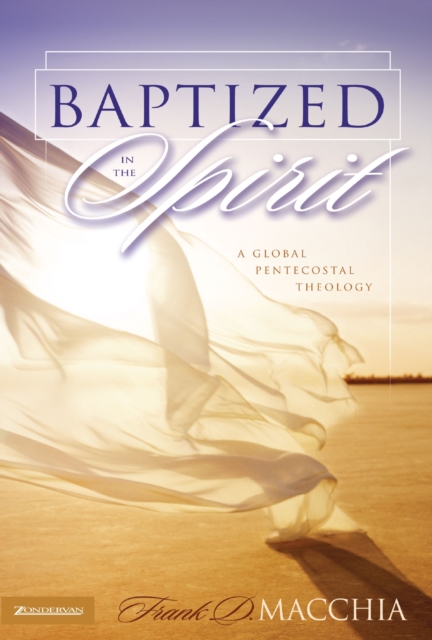
Baptized in the Spirit creatively examines the most recent trends in Pentecostal and charismatic theology, especially with regard to the displacement of Spirit baptism as Pentecostalism's central distinctive.
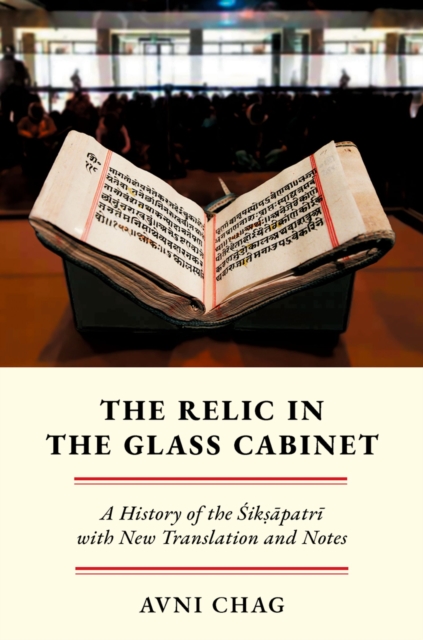
The Shikshapatri (1826) is a scripture presented as a letter to devotees from Swaminarayan (1781-1830), the founder and principal deity of the eponymous Swaminarayan tradition.
Mani or Manichaios was a major religious figure in early Sasanian Mesopotamia (third century CE) renowned as a healer, a visionary, an artist, and a public sage.
In premodern south Asia, epistemology (pramanasastra)--the study of knowledge and the methods of acquiring it--was rarely construed as a purely theoretical enterprise.
Sermones Contra Hereticos presents an edition and translation of a group of mostly unpublished Latin sermons which were originally preached in the context of the Albigensian Crusade of 1226 and during the fight against heresy in northern France in 1231.
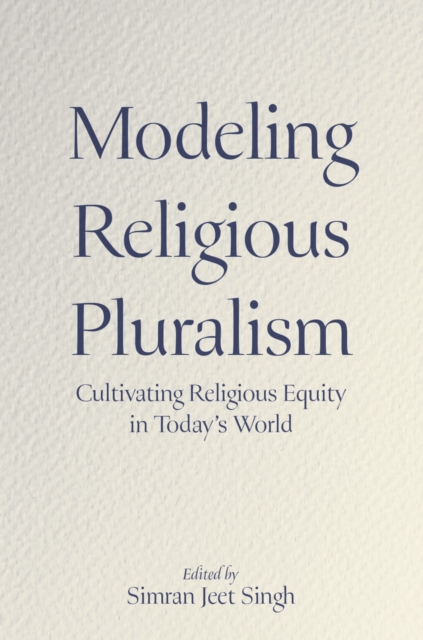
With religiously motivated violence on the rise, Simran Jeet Singh brings together global experts from inside and outside the Academy to explore one of the most critical questions of our time: how might we learn to share this planet with one another, including those who live and believe differently than we do?
Very Short Introductions: Brilliant, Sharp, Inspiring Since its beginnings during the Protestant Reformation, Calvinism has spread throughout Europe and America and eventually to Africa and Asia.
In an age of relentless competition, self-branding, and growing social isolation, we face a pressing question: how can we stop seeing only ourselves and start seeing others?
In many ways, the virtue of courage seems to be one of the most ubiquitous and simple virtues, and that apparent simplicity may result in courage garnering less attention than many other virtues.
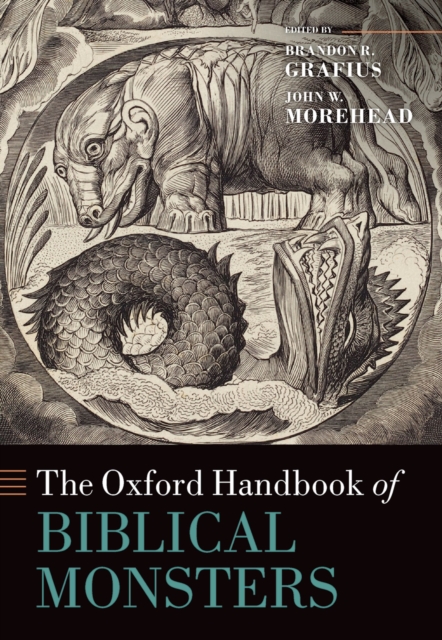
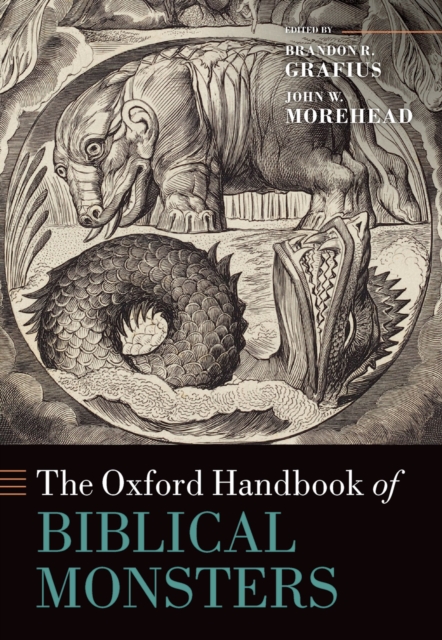
The Oxford Handbook of Biblical Monsters brings together the work of world-renowned scholars in Bible, theology, religion, and cultural studies to explore the monsters that rampage through the biblical text.
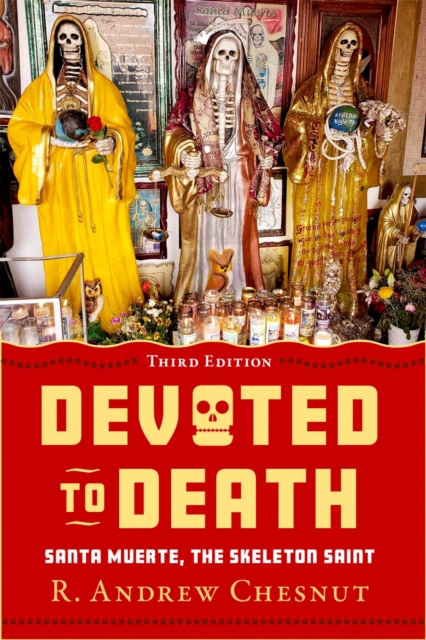
This new third edition of Devoted to Death: Santa Muerte, the Skeleton Saint offers a fascinating portrayal of Santa Muerte, a skeleton saint whose cult has become the fastest growing new religious movement worldwide over the past two decades.
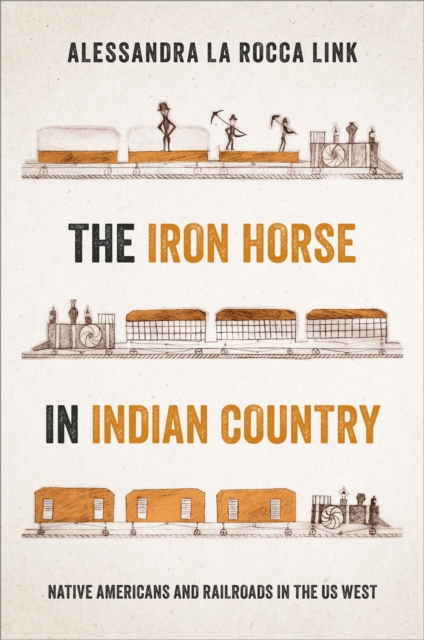
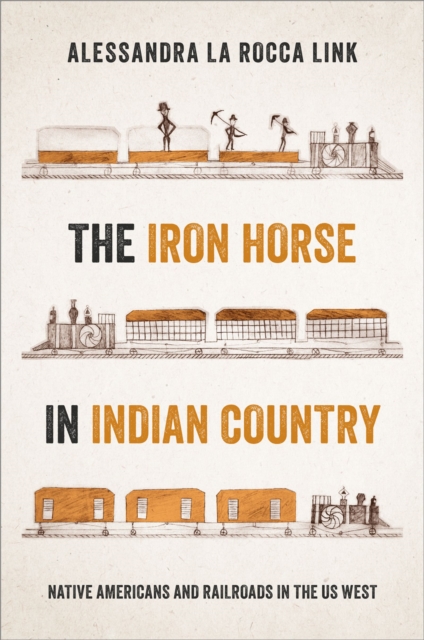
The Iron Horse in Indian Country examines the relationships between Indigenous peoples and railroads that unfolded in the American West during the nineteenth and early twentieth centuries.
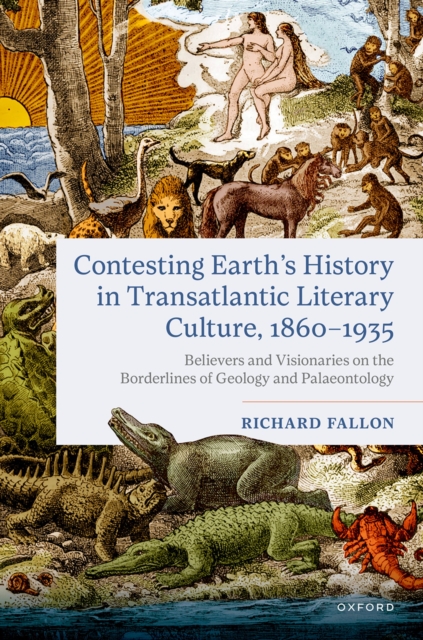
By the mid-nineteenth century, geologists and palaeontologists had reconstructed an authoritative narrative of Earth's deep history, from the planet's molten origins to the rise of humanity.
The Oxford Handbook of Biblical Monsters brings together the work of world-renowned scholars in Bible, theology, religion, and cultural studies to explore the monsters that rampage through the biblical text.
The Iron Horse in Indian Country examines the relationships between Indigenous peoples and railroads that unfolded in the American West during the nineteenth and early twentieth centuries.
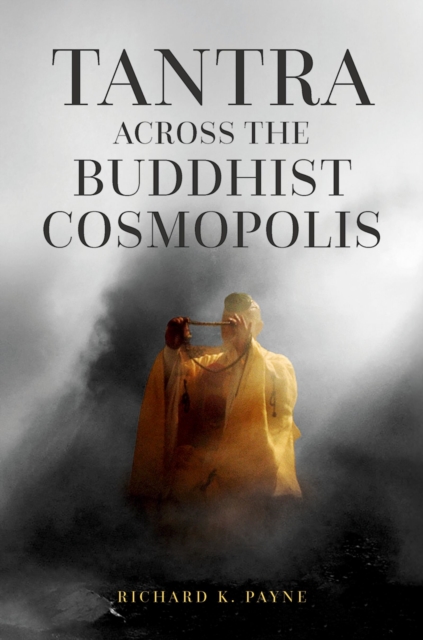
Tantra Across the Buddhist Cosmopolis examines key aspects of the tantric Buddhist movement from its beginnings in early medieval India to the present day.
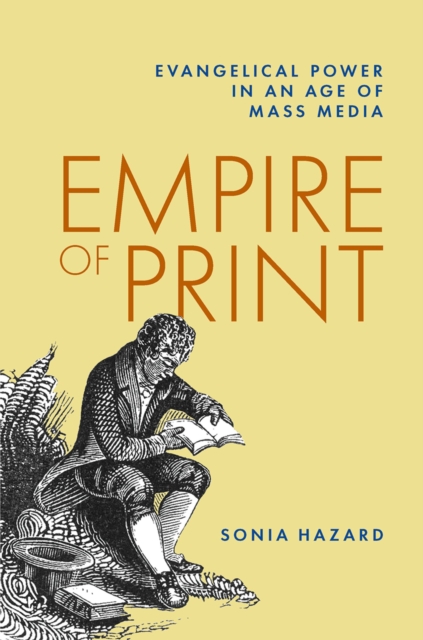
Empire of Print offers a fresh account of evangelical power by uncovering how the American Tract Society (ATS) leveraged print media to spread its message across an expanding nation.
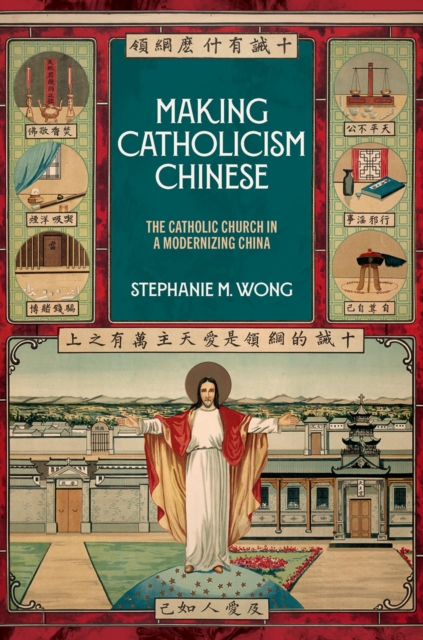
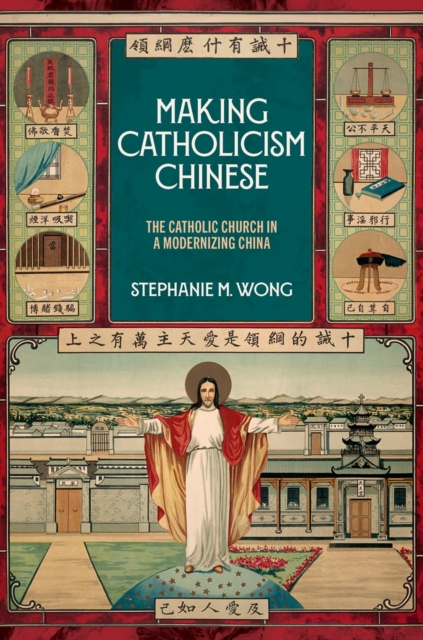
Making Catholicism Chinese examines a little-known chapter of Catholic life in China, when a coalition of foreign-born and Chinese Catholics strove to make the Church indigenously "e;Chinese.
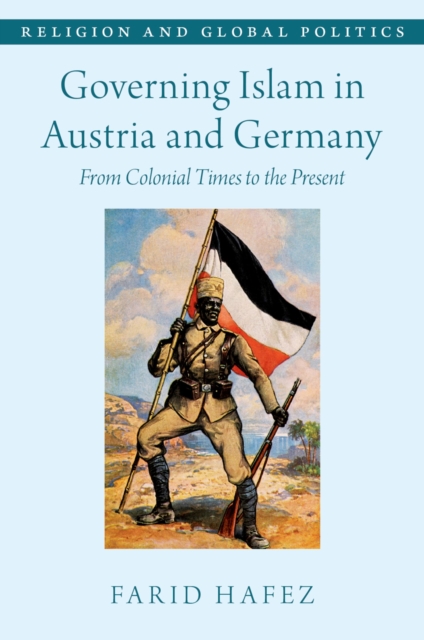
Governing Islam in Austria and Germany argues that the foundations of contemporary policies towards Islam in Austria and Germany are deeply rooted in colonial practices from the late 19th and early 20th centuries.
Making Catholicism Chinese examines a little-known chapter of Catholic life in China, when a coalition of foreign-born and Chinese Catholics strove to make the Church indigenously "e;Chinese.
The North African scholar Muhammad ibn Yusuf al-Sanusi (1436-90), from Tlemcen, present-day Algeria, was one of the most influential theologians and logicians in the Islamic tradition.
The North African scholar Muhammad ibn Yusuf al-Sanusi (1436-90), from Tlemcen, present-day Algeria, was one of the most influential theologians and logicians in the Islamic tradition.
This story begins with a divine unveiling: In 1220, a mysterious youth took the Sufi scholar, poet, and philosopher Muhy al-Dn Ibn Arab behind the veil of the night.
Through the fifth and sixth centuries, major divisions rocked Christianity as different factions vied to make their teachings the doctrine of the Roman Empire's imperial church.