The dramatic story of one of the most violent episodes of the civil rights movement and its role in the ongoing reckoning with racial injustice in the United States.
The Soul as a Map, the Self as a MirrorIn the Islamic worldview, the soul (nafs), heart (qalb), spirit (ruh), and intellect ('aql) are not abstract theological ideas—they are real faculties that shape how we perceive, respond, and heal.
This edition offers a novel perspective on seventeenth-century European-Islamic encounters by making accessible the Neo-Latin poem On the Turkish Religion (De Religione Turcica).
The tantric Buddhist traditions emerged in India beginning in the seventh century CE and flourished there until the demise of Buddhism in India circa the fifteenth century.
Christian cessasionists would have us believe that divine healing served the purpose of establishing and authenticating the early church and that it ceased after the demise of the Apostles.
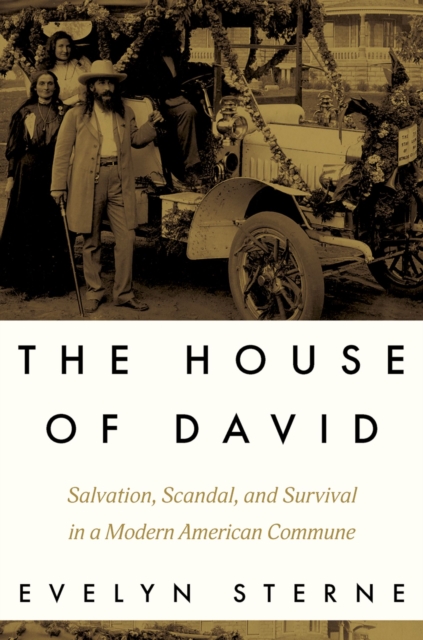
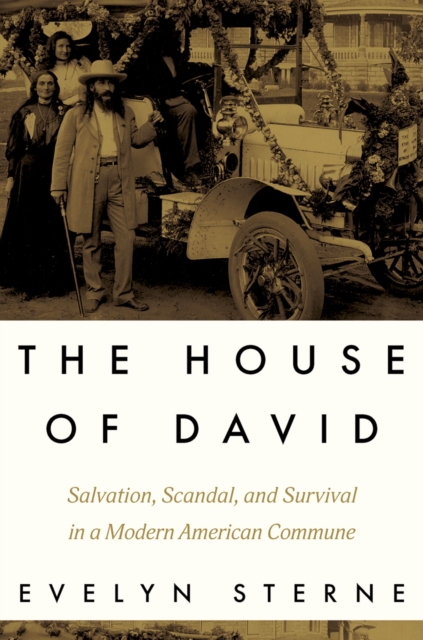
In 1903, after seven years traveling the country as itinerant preachers, Benjamin and Mary Purnell moved to Benton Harbor, Michigan, where they founded a commune.
A timely defense of affirmative action policies that offers a more nuanced understanding of how centuries of invidious racism, discrimination, and segregation in the United States led to and justifies such policies from both a moral and constitutional perspective.
A timely defense of affirmative action policies that offers a more nuanced understanding of how centuries of invidious racism, discrimination, and segregation in the United States led to and justifies such policies from both a moral and constitutional perspective.
Wer verstehen will, wie sich das Bundesverfassungsgericht in den Debatten um muslimische Religionsfreiheit und gesellschaftliche Werte positioniert, findet hier eine fundierte Analyse und methodische Innovation.
The Salt Lake Temple: Forty Years in Granite tells the remarkable story of one of the most recognizable religious buildings in the world—and the ordinary Saints whose faith, sacrifice, and perseverance made it possible.
Almond places Ottos theory of religion within the context of his life (1869-1937), looking closely at the significant influences on Ottos thought, among them thinkers as different as Kant and the German Pietists.
In 1903, after seven years traveling the country as itinerant preachers, Benjamin and Mary Purnell moved to Benton Harbor, Michigan, where they founded a commune.
For centuries, the Saints have been viewed as the exclusive property of rigid religious institutions—gatekept by priests, solemn church pews, and demanding, repetitive prayers.
From the bestselling author of Hillbilly Elegy - an intimate account of why Vice President JD Vance strayed from the Christianity of his youth and what led him back to faith.