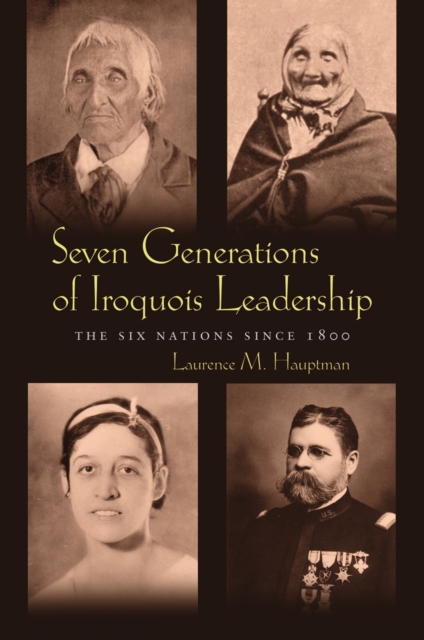
Native Americans in the United States, similar to other indigenous people, created political, economic, and social movements to meet and adjust to major changes that impacted their cultures.
"e;Christian philosophy"e; is commonly regarded as an oxymoron, philosophy being thought incompatible with the assumptions and conclusions required by religious faith.
The Enlightenment Movement changed society forever, driving it forward through new and fresh ways of thinking about science, religion, history, politics, and culture.
The decline of institutionalized religion in the increasingly secularized West has been offset by the contemporary spiritual development understood in the form of emerging New Age movements.
The United Society of Believers in Christ's Second Appearing, commonly known as the Shakers, followed Mother Ann Lee to the United States in 1774 when life in England became difficult.
From Zora Neale Hurston to Derek Walcott to Toni Morrison, New World black authors have written about African-derived religious traditions and spiritual practices.
The crime melodramas of the 1940s known now as film noir shared many formal and thematic elements, from unusual camera angles and lighting to moral ambiguity and femmes fatales.
Between May and October of 1917, three young shepherds were reportedly visited six times by an apparition of the Virgin Mary near the town of Fatima in Portugal.
Paulos Mar Greogorios: A Reader is a compilation of the selected writings of Paulos Mar Gregorios, a metropolitan of the Malankara Orthodox Syrian Church of India and a former President of the World Council of Churches.
Traditional Anishinaabe (Ojibwe or Chippewa) knowledge, like the knowledge systems of indigenous peoples around the world, has long been collected and presented by researchers who were not a part of the culture they observed.
Undeniably iconoclastic, and doggedly practical where others were abstract, the late Richard Rorty was described by some as a philosopher with no philosophy.
Over the course of his distinguished interdisciplinary career, Giles Gunn has sustained his focus on the continuing threats to our collective sense of the human that seem to result from the link between the collision of fundamental values and the increase of systemic violence.
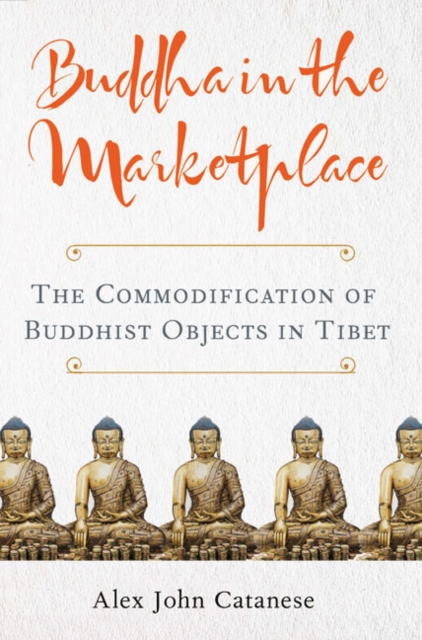
Classical Tibetan Buddhist scriptures forbid the selling of Buddhist objects, and yet there is today a thriving market for Buddhist statues, paintings, and texts.
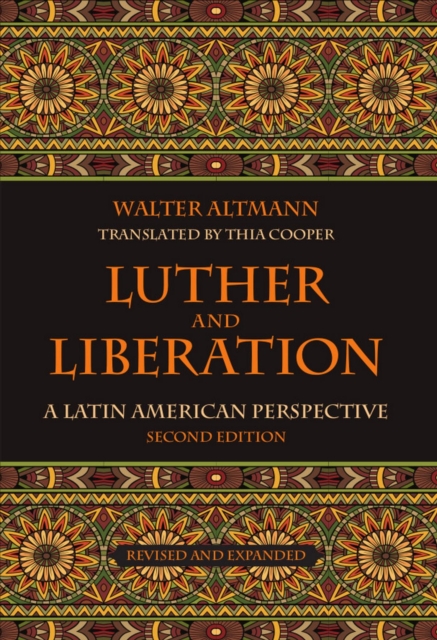
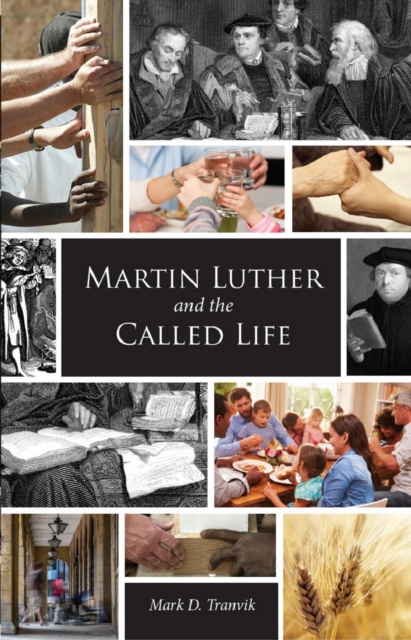
With the approach of the 500th anniversary of Martin Luther’s inauguration of the Protestant Reformation and the burgeoning dialogue between Catholics and Lutherans opened under Pope Francis, this new edition of Walter Altmann’s Luther and Liberation is timely and relevant.
Traditional Anishinaabe (Ojibwe or Chippewa) knowledge, like the knowledge systems of indigenous peoples around the world, has long been collected and presented by researchers who were not a part of the culture they observed.
Given its affinity with questions of identity, autobiography offers a way into the interior space between author and reader, especially when writers define themselves in terms of religion.
Evangelical Gothic explores the bitter antagonism that prevailed between two defining institutions of nineteenth-century Britain: Evangelicalism and the popular novel.
Through a twist of fate, the eruption that destroyed Pompeii in 79 CE also preserved a wealth of evidence about the town, buried for centuries in volcanic ash.
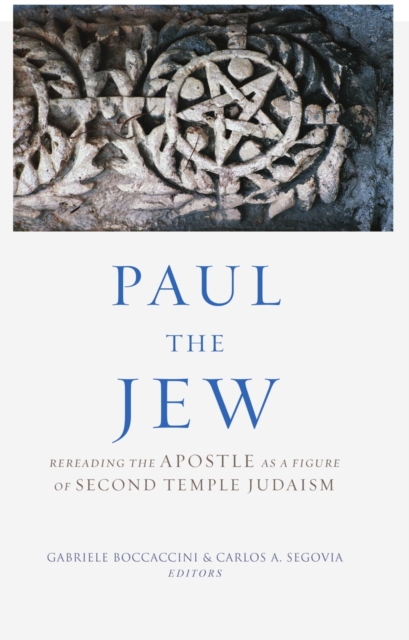
The decades-long effort to understand the apostle Paul within his Jewish context is now firmly established in scholarship on early Judaism, as well as on Paul.
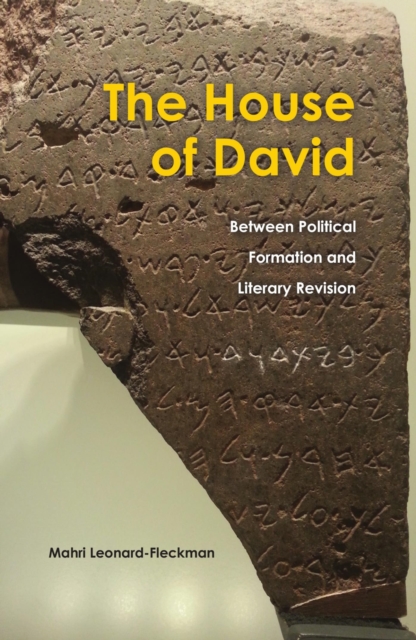
Current scholarly debate over the historical character of David's rule generally considers the biblical portrait to represent David as king of Judah first, and subsequently over "e;all Israel.
Recognizing the Gift puts twentieth-century Catholic theological conversations on nature and grace, particularly those of Henri de Lubac and Karl Rahner, into dialogue with Continental philosophy, notably the thought of Jean-Luc Marion and Paul Ricoeur.
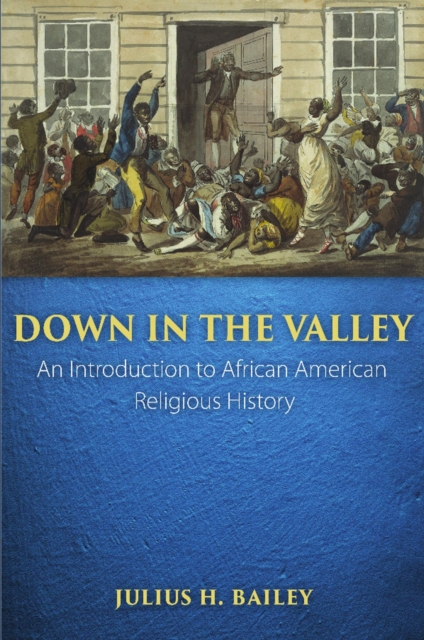
African American religions constitute a diverse group of beliefs and practices that emerged from the African diaspora brought about by the Atlantic slave trade.
Both traditions recognize and draw theological and historical lessons from some of the same narrative sources, but this is the first comparative resource to provide interdisciplinary coverage of the history and textual sources associated with prophets and prophecy.
In 2010, nearly 30 percent of South Koreans—a country with a Confucian tradition over 1000 years old—identify as Christian, the largest percentage of Christians in an Asian nation, aside from the Philippines.
There is a constant drumbeat of commentary claiming that STEM subjects-science, technology, engineering, and math-are far more valuable in today's economy than traditional liberal arts courses such as philosophy or history.
From the beginning of the nineteenth century through to 1960, Protestant missionaries were the most important intermediaries between South Africa's ruling white minority and its black majority.
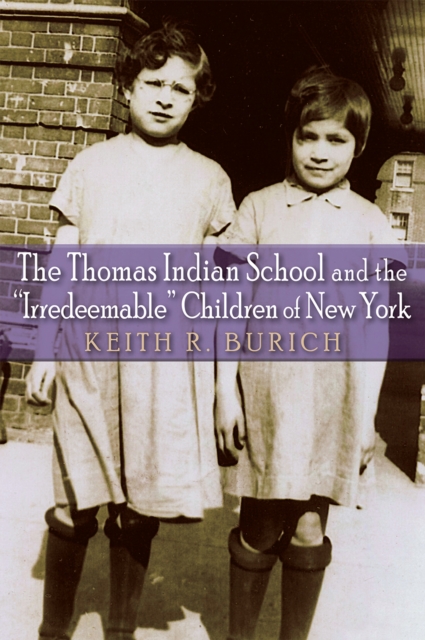
The story of the Thomas Indian School is the story of the Iroquois people and the suffering and despair of the children who found themselves trapped in an institution from which there was little chance for escape.