Intended as a reference tool for college students, this book examines the origins of and controversies associated with birth control in the United States.
This book places the current wave of religion-based terrorism in a historical perspective, explaining why religion is associated with terrorism, comparing religion-based terrorism to other forms of terrorism, and documenting how religion-based terrorism is a product of powerful political, socioeconomic, and psychological forces.
This trio of volumes contains essays that explore vital existential, moral, or metaphysical issues surrounding the relationship between the sciences and the world's religions.
Do the religious affiliations of elected officials shape the way they vote on such key issues as abortion, homosexuality, defense spending, taxes, and welfare spending?
A Will to Choose traces the history of African-American Methodism beginning with their emergence in the fledgling American Methodist movement in the 1760s.
This book provides a fascinating, unparalleled look at the Nation of Islam, including its history, the complexity of its views towards orthodox Muslims, women, and other minorities, and the trajectory of the group after the 1995 Million Man March.
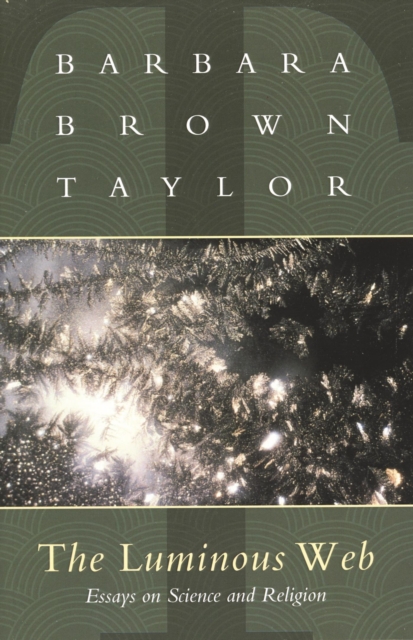
In these essays on the dialogue between science and Christian faith, Barbara Brown Taylor describes her journey as a preacher learning what the insights of quantum physics, the new biology, and chaos theory can teach a person of faith.
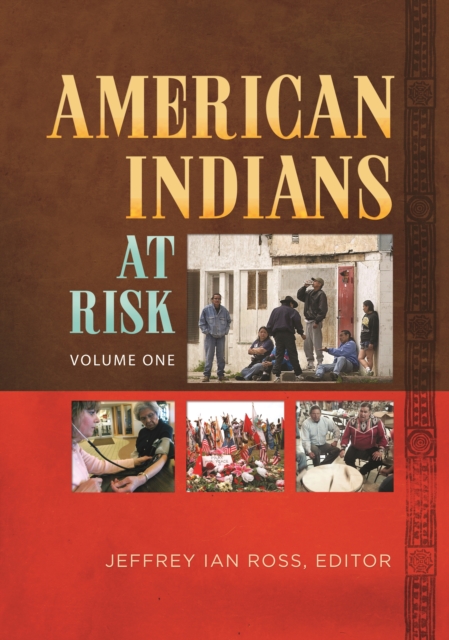
This essential reference work enables a deeper understanding of contemporary challenges in the lives of American Indians and Alaskan Natives today, carefully reviewing their unique problems and proposing potential solutions.
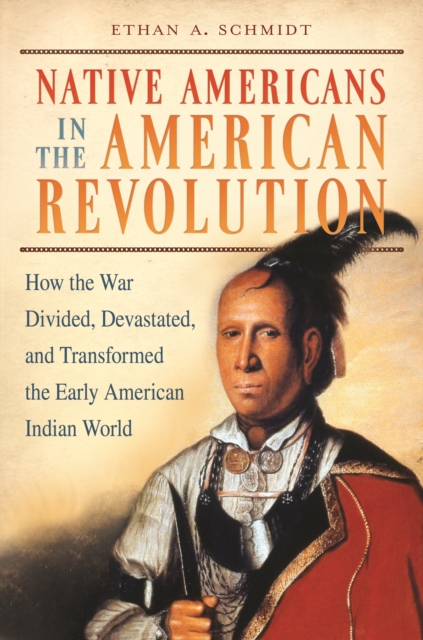
This valuable book provides a succinct, readable account of an oft-neglected topic in the historiography of the American Revolution: the role of Native Americans in the Revolution's outbreak, progress, and conclusion.
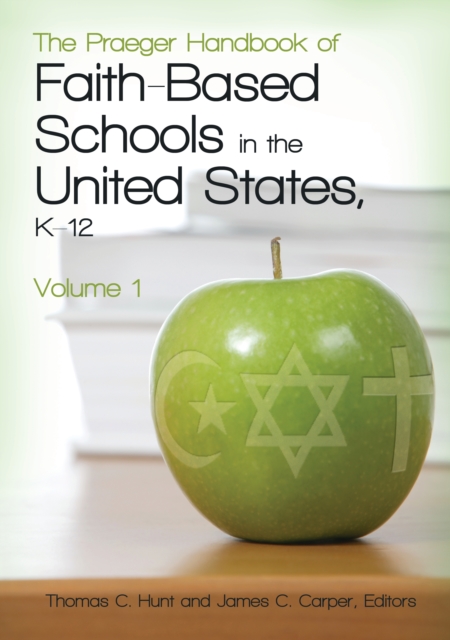
Exploring a subject that is as important as it is divisive, this two-volume work offers the first current, definitive work on the intricacies and issues relative to America's faith-based schools.
This book provides an enlightening, representative account of how rappers talk about God in their lyrics-and why a sense of religion plays an intrinsic role within hip hop culture.
Both traditions recognize and draw theological and historical lessons from some of the same narrative sources, but this is the first comparative resource to provide interdisciplinary coverage of the history and textual sources associated with prophets and prophecy.
In this timely and highly readable volume, Old Testament scholar William Holladay introduces the reader to the several ways in which Isaiah speaks, from ancient Jewish readings of the text, to Handel's lyrical use of it in his oratorio, Messiah, to the Christian community who has heard it foretelling the life and death of Jesus Christ.
The issues may change with the passing of the years, but the categories of concern change very little: sexuality and the sexes; medical decision-making; justice for the poor, the powerless, the underclass; reproductive decision-making; moral decision-making in business; and personal moral choices.
In No Moment Too Small, Vest focuses on three of the foundations of the Benedictine way: silence, the exploration of Scripture and other spiritual writings (lectio divina), and the hours of prayer.
When it was ratified in 1791, the First Amendment to the Constitution of the United States sought to protect against two distinct types of government actions that interfere with religious liberty: the establishment of a national religion and interference with individual rights to practice religion.
An unprecedented, richly, detailed, and clear-eyed exploration of Islam in European history and civilizationTensions over Islam were escalating in Europe even before 9/11.
In Praying the Hours Suzanne Guthrie offers us a contemporary way to practice the ancient tradition of hallowing time throughout the day by marking the hours with prayer and thanksgiving.
Robert Farrar Capon is well known as the author of the modern classic The Supper of the Lamb ("e;awesomely funny, wise, beautiful, moving, preposterous,"e; said The New York Times) and other acclaimed books such as Genesis, the Movie.
This book is a comprehensive guide for educators and policy makers who are ready to create schools for Latinos (particularly Mexican Americans), such that students will be successful in learning and achieving in K-12 grades and college and help to advance society in the 21st century.
Mutual understanding between the faithful of the world's great religions is no longer a luxury; all over the world, religions are challenged to find common ground in the cause of peace and justice, and in the face of war and exploitation.
When Critical Multiculturalism Meets Mathematics details the development and outcomes of a teacher professional development project that merged multiculturalism and mathematics.
Voices for Diversity and Social Justice: A Literary Education Anthology is an unflinching exploration through poetry, prose, and art of the heart of our educational system-of the segregation, bias, and oppression that are part of the daily lives of so many students and educators.
When twelve-year-old Iqbal Masih, former child laborer in a Pakistani carpet factory came to Boston in 1994 to receive Reebok's Youth in Action Award, he asked to meet youth his own age.
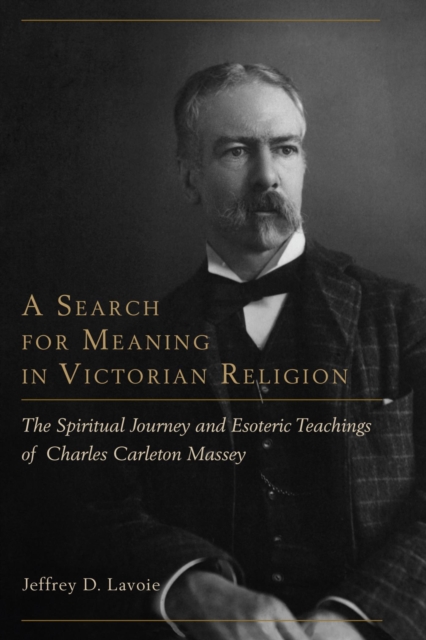
Christian mystic, astrologer, and spiritualist, Charles Carleton Massey (1838-1905) underwent an eclectic spiritual journey that resulted in a series of articles, letters, and booklets that have largely been neglected by modern society.
As editors of Breaking the Mold of School Instruction and Organization: Innovative and Successful Practices for the 21st Century (2010) and Breaking the Mold of Preservice and Inservice Teacher Education: Innovative and Successful Practices for the 21st Century (2011), we have explored innovative practices, many of which represent issues of diversity from multiple perspectives and schools of thought.
In Culture, Relevance, and Schooling: Exploring Uncommon Ground, Lisa Scherff, Karen Spector, and the contributing authors conceive of culturally relevant and critically minded pedagogies in terms of opening up new spatial, discursive, and/or embodied learning terrains.
During the early eighteenth century, three phratries or tribes (Turtle, Turkey, and Wolf) of Delaware Indians left their traditional homeland in the Delaware River watershed and moved west to the Allegheny Valley of western Pennsylvania and eventually across the Ohio River into the Muskingum River valley.
The Exile in the Maghreb entails the first attempt at describing the historical reality of the legal and social condition of the Jews in the Muslim countries of North Africa (principally Algeria and Morocco) over a thousand year period from the Middle Ages (997 C.