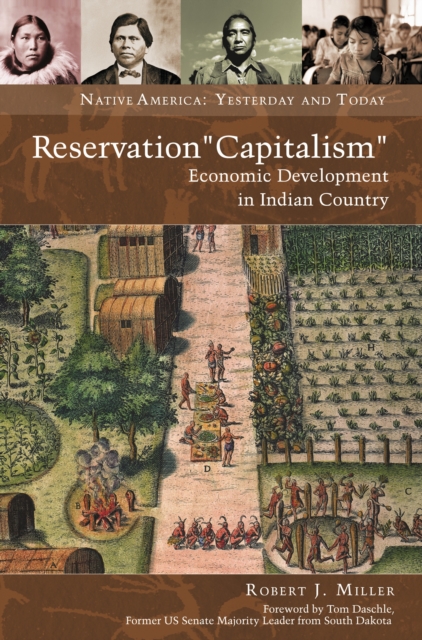
This unique book investigates the history and future of American Indian economic activities and explains why tribal governments and reservation communities must focus on creating sustainable privately and tribally owned businesses if reservation communities and tribal cultures are to continue to exist.
As a distinguished Baptist pastor, educator, and public servant, Samuel DeWitt Proctor made it his mission to serve American life by fighting against racism.
Our experiences of hope in the face of difficult times are as varied as our lives, and yet very little of the literature on hope has effectively examined the multi-faceted ways in which we hope.
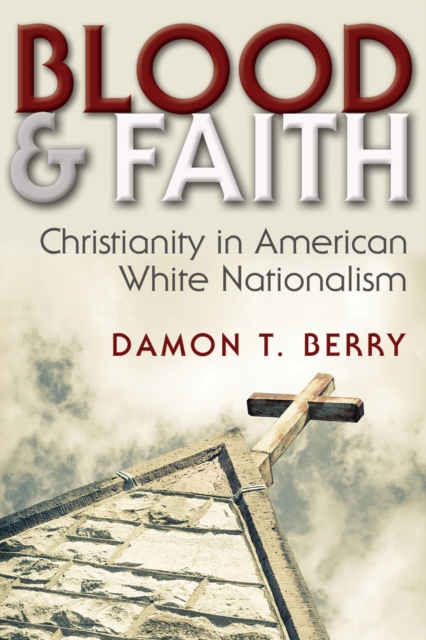
Beginning with Ronald Reagan's 1980 presidential campaign, the term "e;religious right"e; entered the popular lexicon, coming to signify a politically and socially conservative form of Christianity that informs American conservatism to this day.
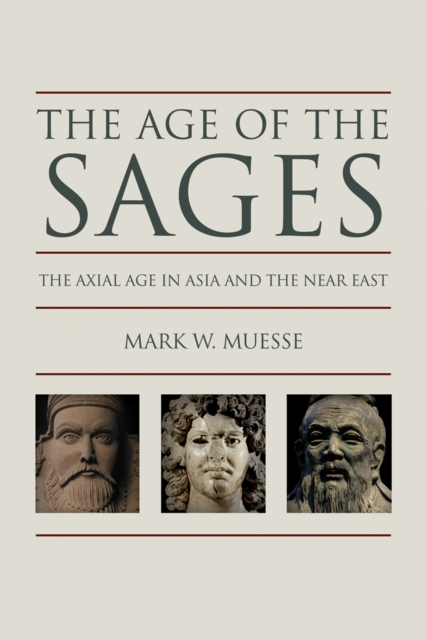
By setting traditions and thinkers such as Zoroaster, Gautama Buddha, and Confucius and others side by side, we are able to see more clearly the questions with which they struggled, their similarities and differences, and how their ideas have influenced religious thought down to our day.
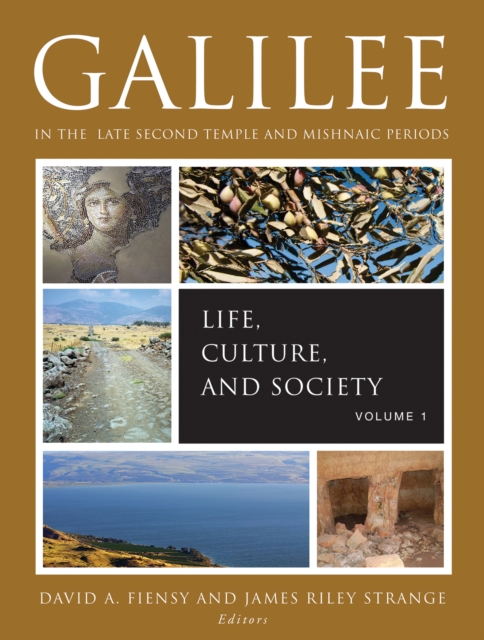
Drawing on the expertise of archaeologists, historians, biblical scholars, and social-science interpreters who have devoted a significant amount of time and energy in the research of ancient Galilee, this accessible volume includes modern general studies of Galilee and of Galilean history, as well as specialized studies on taxation, ethnicity, religious practices, road systems, trade and markets, education, health, village life, houses, and the urban-rural divide.
The completion of the Dietrich Bonhoeffer Works, the definitive English translation of the Critical Edition, represents a milestone in theological scholarship.
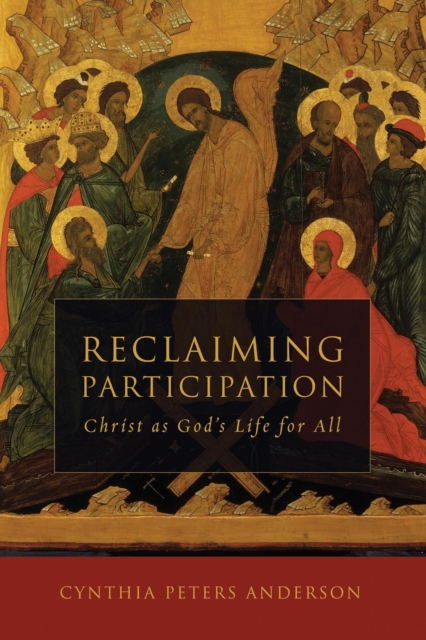
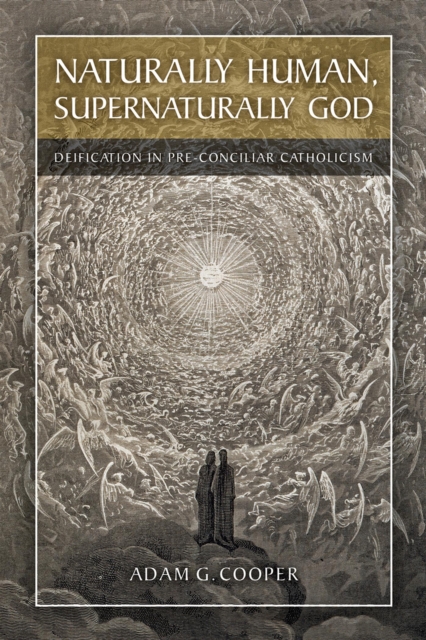
In an era that oscillates regularly between nihilism and the erosion of moral vision, on the one hand, and pseudo-gnostic myths of self-apotheosis on the other, the classical Christian claim of human participation in the divine as the story of the transformation of human life in its physical, moral, spiritual, and eschatological dimensions takes on radical, counter-cultural color.
Preservation and Protest proposes a novel taxonomy of four paradigms of nonhuman theological ethics by exploring the intersection of tensions between value terms and teleological terms.
This book stages an intervention in Reformed readings of the doctrine of providence, particularly around Barths critical interpretation of the tradition stemming from Calvin and Schleiermacher, and provides a critical and constructive assessment of Barths contribution.
Scholarship has painted many pictures of Augustinethe philosophical theologian, the refuter of heresy, or contributor to doctrines like Original Sinbut the picture of Augustine as preacher, says Sanlon, has been seriously neglected.
This book argues that Christian nonviolence is both formed by and forms ecclesial life, creating an inextricable relationship between church commitment and resistance to war.
Alongside Saint Thomas Aquinas, the thought of Saint Augustine stands as one of the central fountainheads of not only theology but Western social and political theory.
We the People explores John Howard Yoders account of peoplehood and develops an appreciative revision that considers the politics of Jesus in relation to the people of Israel.
If Basil of Caesarea receives mention in a standard course of lectures on Christian theology or history it is as the first person to write a dedicated discourse on the Holy Spirit.
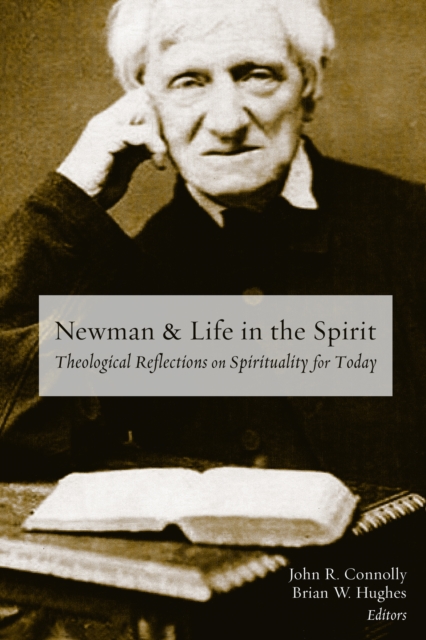
John Henry Newman is one of the most beloved and well-known British theologians, an instrumental figure in the Oxford Anglican movement of the nineteenth century and an infamous convert to Roman Catholicism.
The Vision of Catholic Social Thought traces the emergence of solidarity and human rights as critical theological and philosophical pillars of the anthropology and ethics foundational to the development of Catholic social teaching.
Political Vanity aims to illuminate the central debates over the historical, moral, and political legitimacy of market capitalism as though still profoundly theological in character.
The Resurrected God is an exciting, innovative examination of the resurrection of Christ and its relationship to the doctrine of the Trinity in the mature work of Karl Barth, particularly across the three parts of Volume IV of ChurchDogmatics.
Over the last several decades, perceptive observers of Western civilization have documented what virtually everyone has perceived: as the old foundations of society have toppled, morality and personal character have been set adrift and often vanished altogether.
Naturally Human, Supernaturally God focuses upon a theological subject matter whose provenance not only spans both periods of the twentieth century, but the whole history of Christianity.
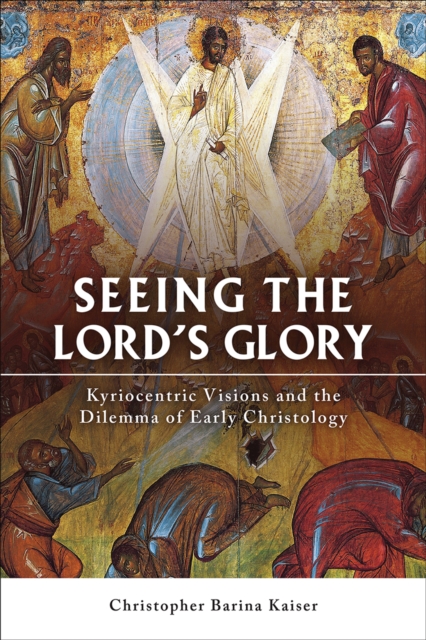
The "e;dilemma of early Christology,"e; Kaiser observes, is found in the early Christian claims to have "e;seen the Lord"e; and "e;beheld his glory"e; - expressions that in early Judaism would have pointed unequivocally to visions of Israel's God.
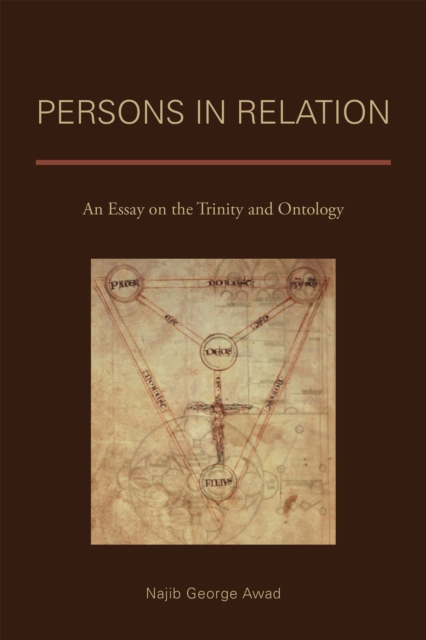
The recent 'turn to the Trinity' in modern and contemporary systematic theology has been inundated with models and proposals for construing the concepts of personhood, persons, and relations in connection to a proper understanding of the Trinity.
On its release, the seven volume A People’s History of Christianity was lauded for its commitment to raising awareness of the ways in which ordinary Christians have lived throughout more than twenty centuries of Christian History.
One of the important ecclesial developments over the last century has been the extraordinary rediscovery, retrieval and reinvigoration of the Christian contemplative tradition, a recovery that has been extraordinarily influential Theologians have begun to explore how aspects of the Christian contemplative tradition challenge certain prevalent views about the nature of God, the world, and persons, but this contemplative renaissance also raises crucial questions about a variety of more philosophical arenas such as how we construe the relationship between faith and reason, religious epistemology, theological metaphysics, philosophical hermeneutics and so forth.
Francis Schüssler Fiorenza is one of the pivotal contemporary Roman Catholics working in the field of systematic theology and has made vital contributions to the discipline.
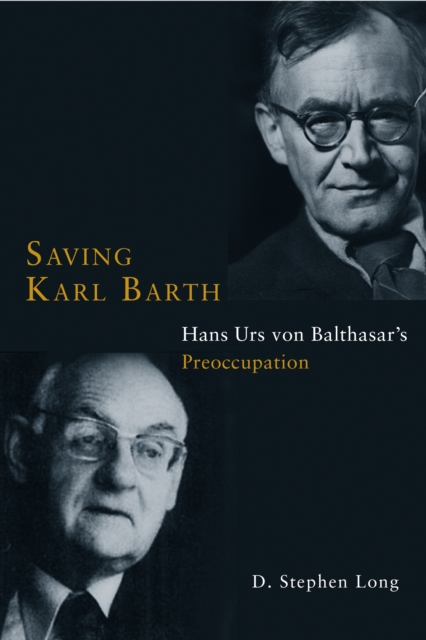
Challenging recent rejections of Hans Urs von Balthasar’s groundbreaking study of Karl Barth’s theology, Stephen Long argues that these interpreters are myopically impatient with the nuances of Balthasar’s reading of Barth and fail to appreciate the longstanding theological friendship that perdured.