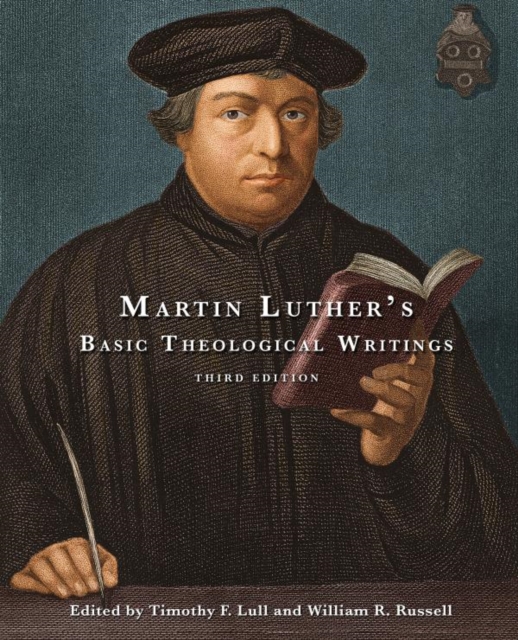
Scholars are now at work not only rethinking Schleiermachers relation to the modern and contemporary theological tradition, but re-examining the dogmatic intricacies and commitments within his texts.
The Sense of the Universe deals with existential and phenomenological reflection upon modern cosmology with the aim to reveal hidden theological commitments in cosmology related to the mystery of human existence.
Biblical scholars have often contrasted the exegesis of the early church fathers from the eastern region and school of Syrian Antioch against that of the school of Alexandria.
Reinhold Niebuhr argued that one of the fundamental challenges to human existence is the anxiety caused by our desire to be perfect and godlike while knowing we are limited and mortal.
A fundamental problem in Christian theology has been that of determining whether God can be an object of experience and how we should account for God’s empirical availability to us.
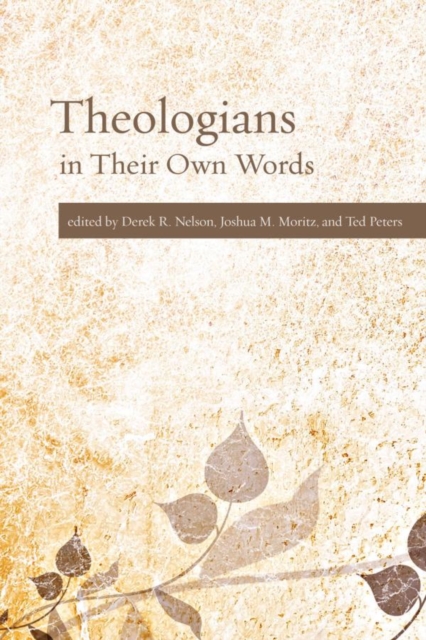
Theologians in Their Own Words is a volume of 23 brief, straight-forward autobiographical statements from many of the most important theologians and scholars of religion of recent decades.
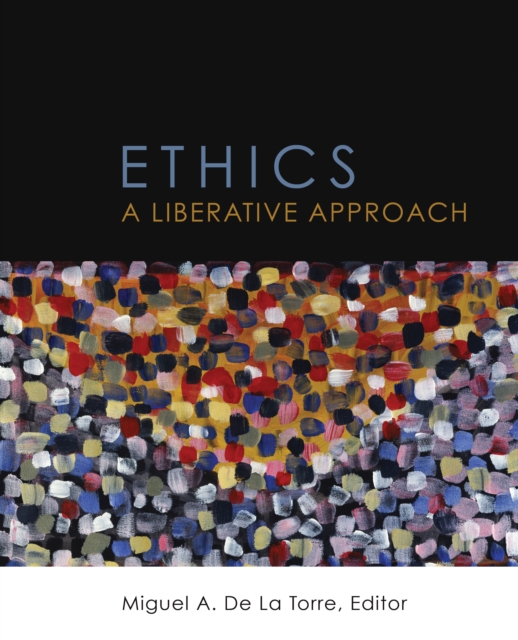
This survey text for religious ethics and theological ethics courses explores how ethical concepts defined as liberationist, which initially was a Latin American Catholic phenomenon, is presently manifest around the globe and within the United States across different racial, ethnic, and gender groups.
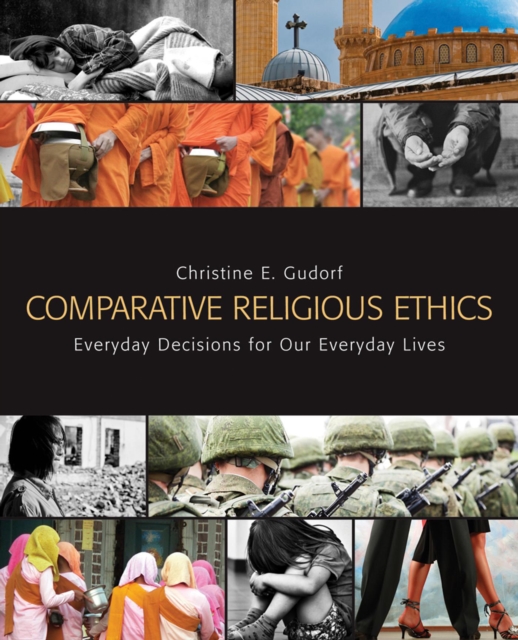
The study of comparative religious ethics is at a critical juncture, given the growing awareness of non-Christian ethical beliefs and practices and their bearing on social change.
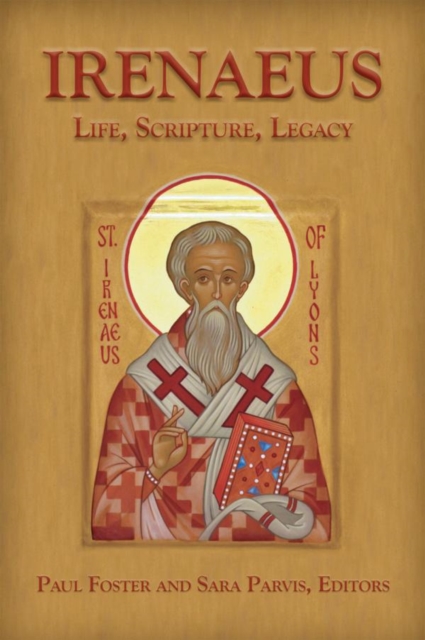
Champion of martyrs, scourge of heretics, erudite theologian, shrewd politician–no account of early Christianity is complete without careful consideration of Irenaeus of Lyons.
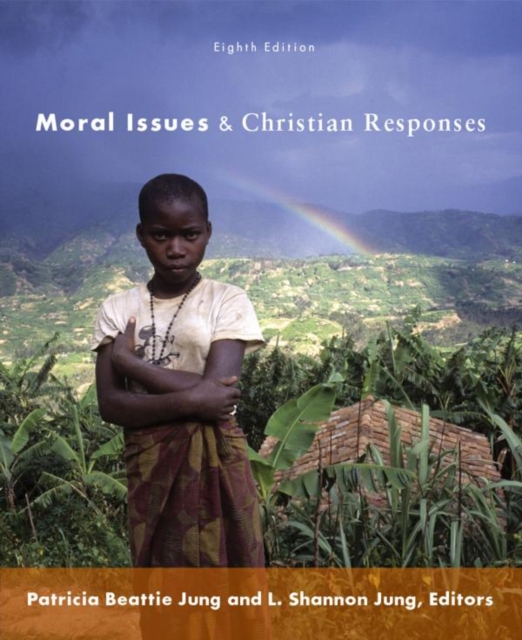
Previously published by Cengage/Wadsworth, this popular anthology for the study of Christian ethics has been a mainstay of undergraduate courses for nearly thirty years.
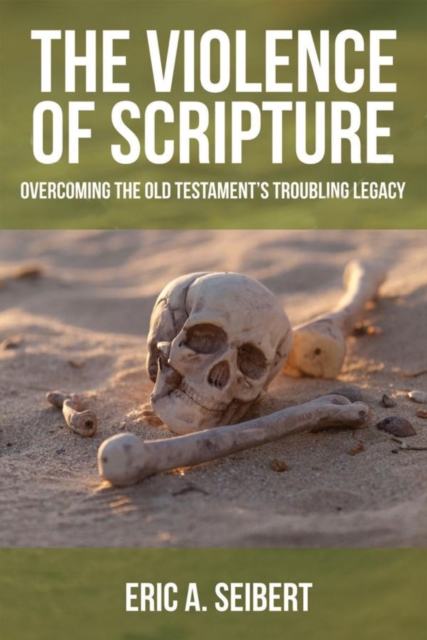
No one can read far in the Old Testament without encountering numerous acts of violence that are sanctioned in the text and attributed to both God and humans.
This survey text for Christian ethics courses traces the sources and traditions which define the history and development of contemporary ethical principles and laws.
No question has been as persistently nettling as the proper relationship of Christians and the Christian church to political power, and the results have often been calamitous.
Christianity, Islam, and Judaism all feature ideas about heaven, hell, and afterlife, and these concepts have evolved over time within these religions.
This contributed two-volume work tackles a fascinating topic: how and why God plays a central role in the modern world and profoundly influences politics, art, culture, and our moral reflection-even for nonbelievers.
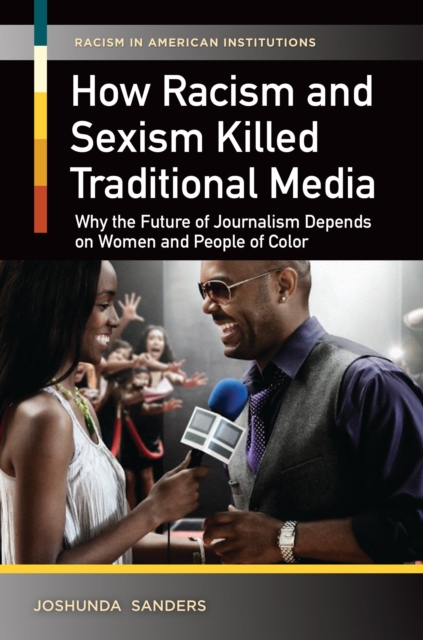
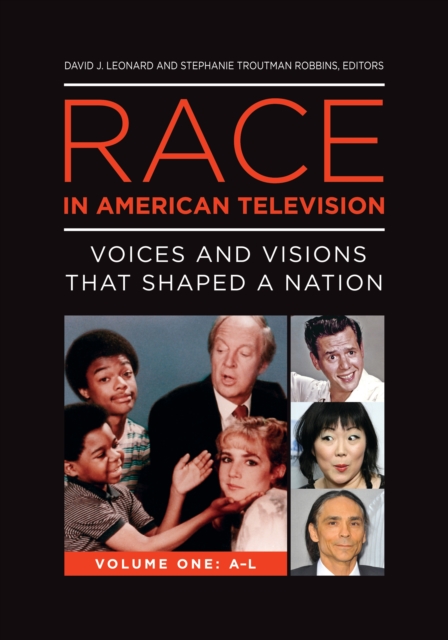
An evaluative examination that challenges the media to rise above the systematic racism and sexism that persists across all channels, despite efforts to integrate.
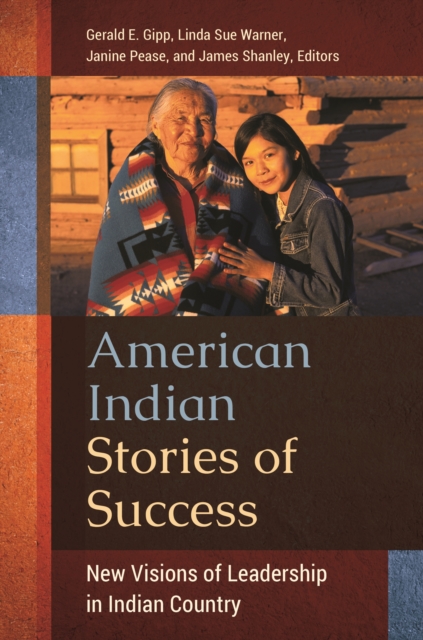
This single-volume book contends that reshaping the paradigm of American Indian identity, blood quantum, and racial distinctions can positively impact the future of the Indian community within America and America itself.
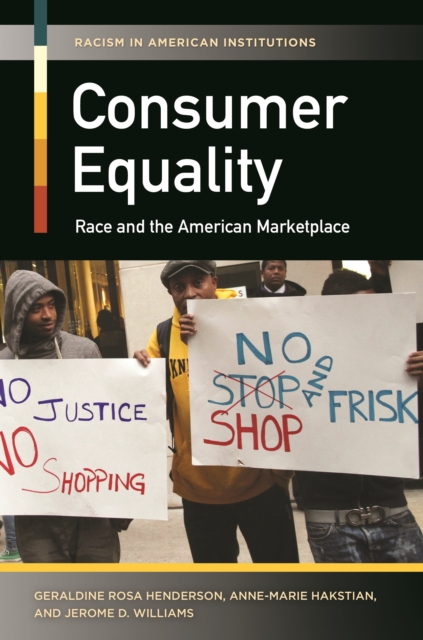
This book provides a vivid examination of the issue of consumer inequality in America-one of society's most under-discussed and critical issues-through the evaluation of real-life cases, the trend of consumers suing companies for discrimination, and the application of novel frameworks to establish legitimate consumer equality.
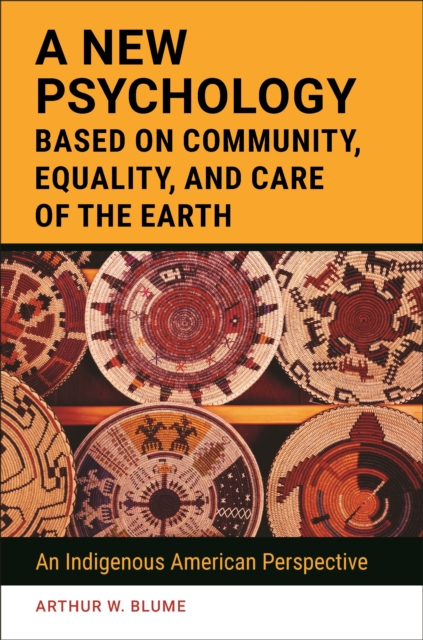
Explains Native American psychology and how its unique perspectives on mind and behavior can bring a focus to better heal individual, social, and global disorders.
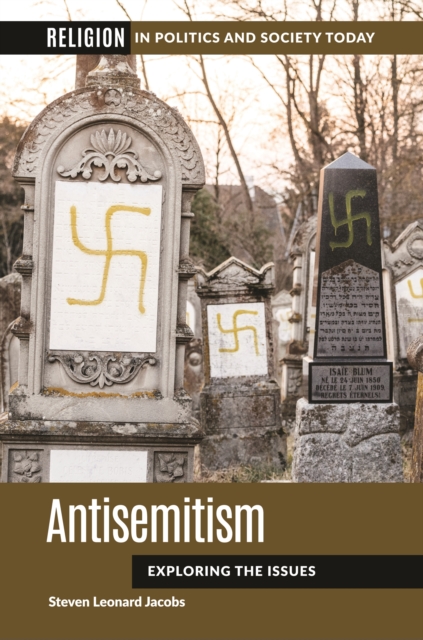
With an overview essay, timeline, reference entries, and annotated bibliography, this resource is a concise, one-stop reference on antisemitism in today's society.
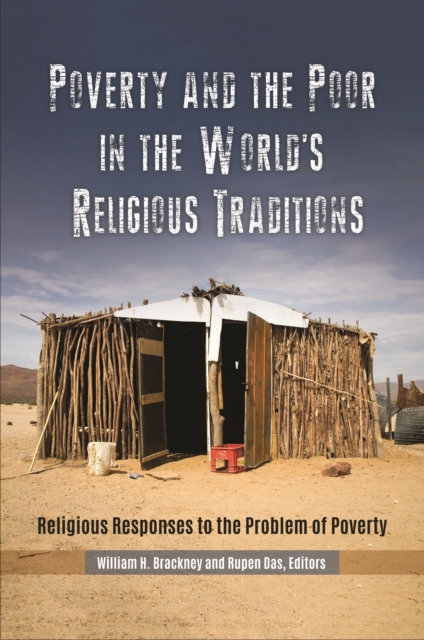
This detailed book is a resource for students, practitioners, and leaders interested in how the major world religions have understood poverty and responded to the poor.
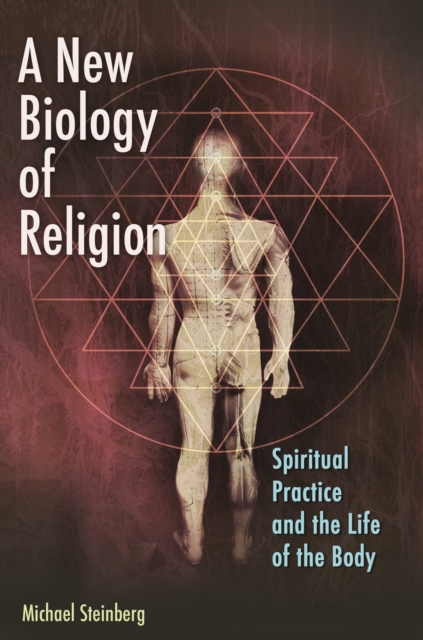
This study provides a fresh look at the debate between science and religion that documents how the experiences produced by spiritual practice are surprisingly consistent with the findings of modern biology, despite the difficulty in reconciling scientific theories and religious dogma.
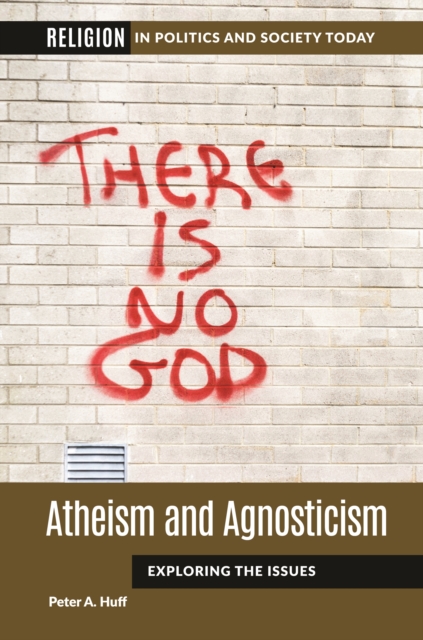
"e;Few are agnostic about atheism and agnosticism; this eloquent, wide-ranging volume should appeal to many, as well as supporting recent academic interest in its subject.
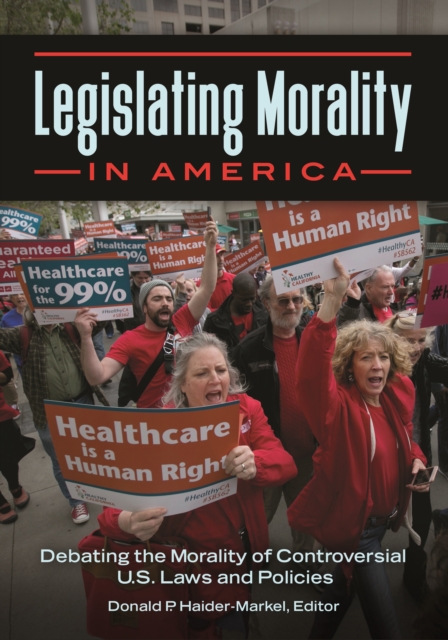
This title undertakes an impartial, authoritative, and in-depth examination of the moral arguments and ideas behind the laws and policies that govern personal, corporate, and government behavior in the United States.