The Tao of Strategy combines ancient wisdom from the Eastern world's great philosophers and lessons from modern-day business leaders to provide readers innovative approaches to unlock strategic breakthroughs for themselves and their organizations.
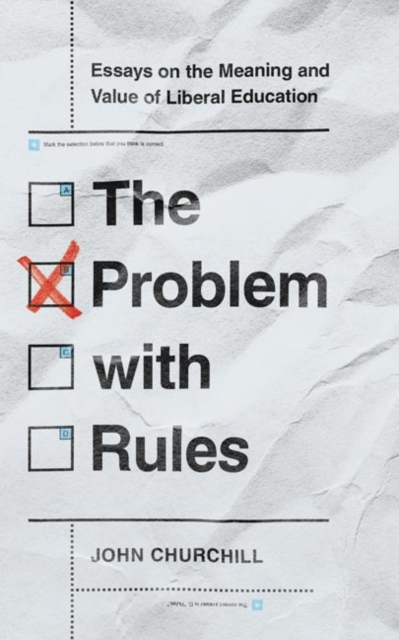
There is a constant drumbeat of commentary claiming that STEM subjects-science, technology, engineering, and math-are far more valuable in today's economy than traditional liberal arts courses such as philosophy or history.
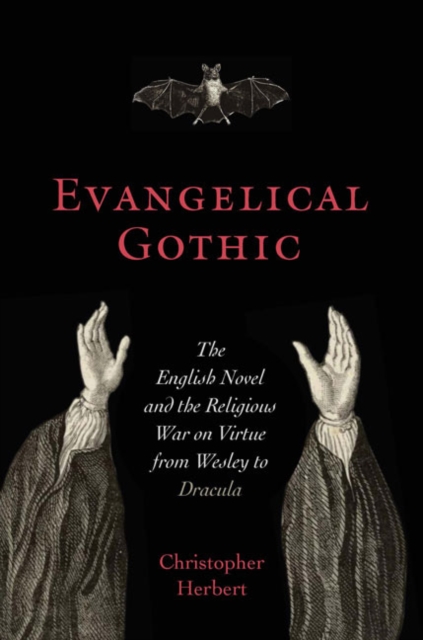
Evangelical Gothic explores the bitter antagonism that prevailed between two defining institutions of nineteenth-century Britain: Evangelicalism and the popular novel.
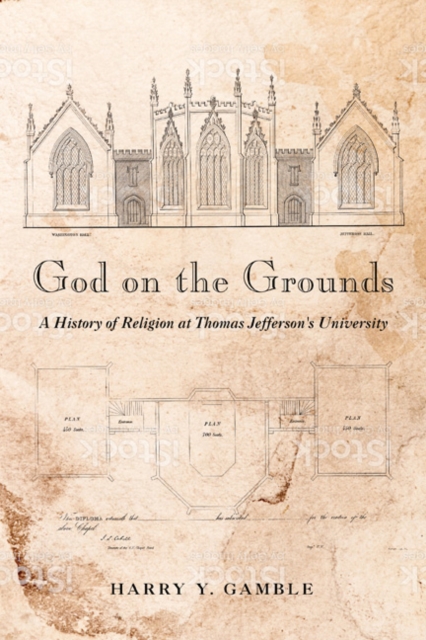
Free-thinking Thomas Jefferson established the University of Virginia as a secular institution and stipulated that the University should not provide any instruction in religion.
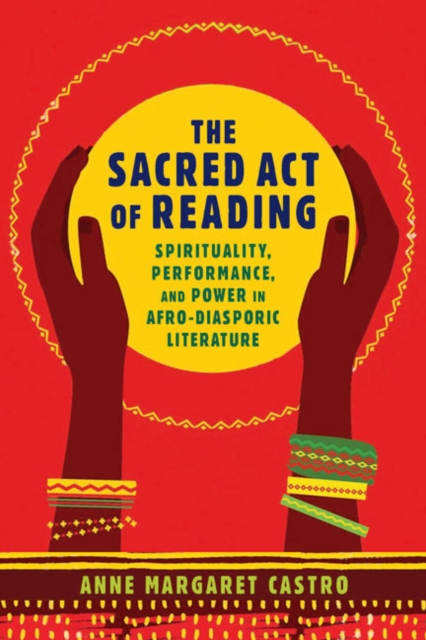
From Zora Neale Hurston to Derek Walcott to Toni Morrison, New World black authors have written about African-derived religious traditions and spiritual practices.
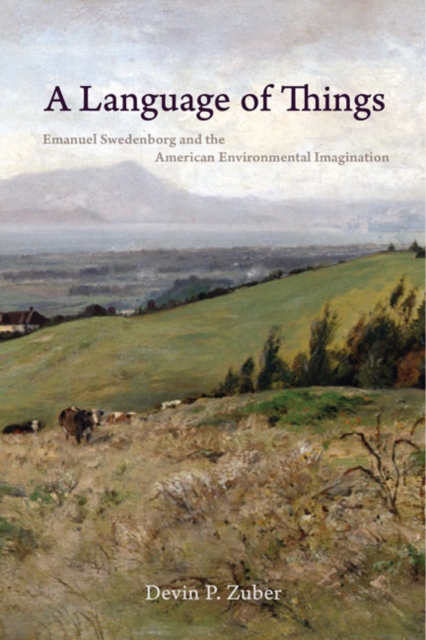
Long overlooked, the natural philosophy and theosophy of the Scandinavian scientist-turned-mystic Emanuel Swedenborg (1688-1772) made a surprising impact in America.
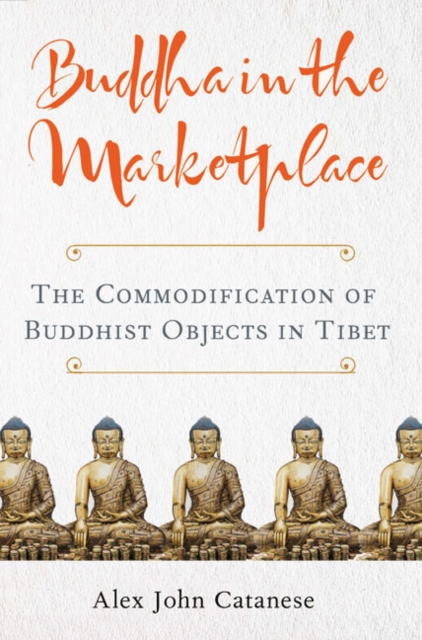
Classical Tibetan Buddhist scriptures forbid the selling of Buddhist objects, and yet there is today a thriving market for Buddhist statues, paintings, and texts.
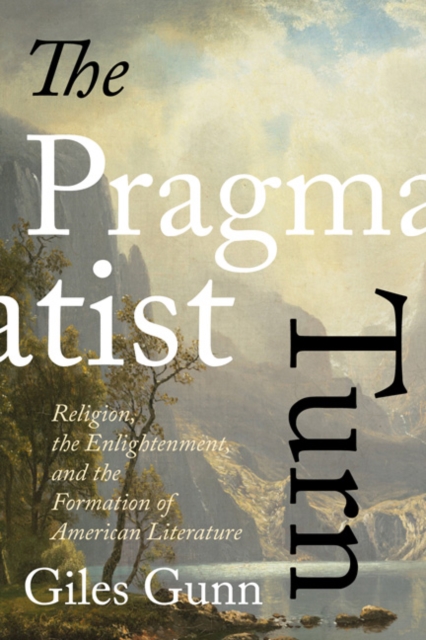
In The Pragmatist Turn, renowned scholar of American literature and thought Giles Gunn offers a new critical history of the way seventeenth-century religion and the eighteenth-century Enlightenment influenced the formation of subsequent American writing.
William James has long been recognized as a central figure in the American philosophic tradition, and his ideas continue to play a significant role in contemporary thinking.
"e;This above all: To thine own self be true,"e; is an ideal-or pretense-belonging as much to Hamlet as to the carefully choreographed realms of today's politics and social media.
In Pulpit and Nation, Spencer McBride highlights the importance of Protestant clergymen in early American political culture, elucidating the actual role of religion in the founding era.
Undeniably iconoclastic, and doggedly practical where others were abstract, the late Richard Rorty was described by some as a philosopher with no philosophy.
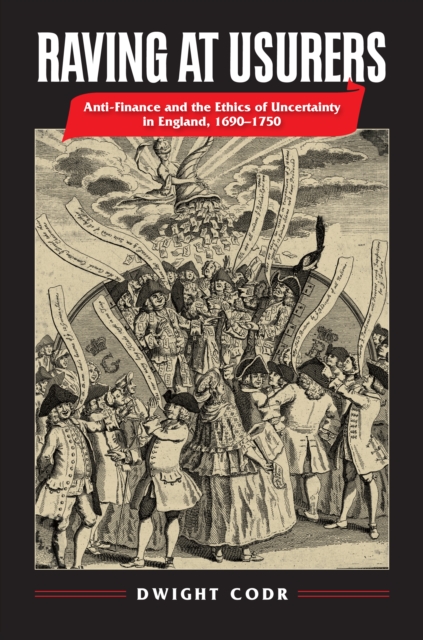
In Raving at Usurers, Dwight Codr explores the complex intersection of religion, economics, ethics, and literature in late seventeenth- and eighteenth-century England.
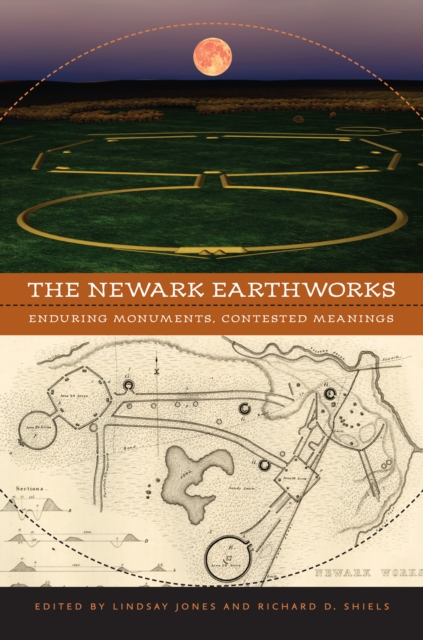
Considered a wonder of the ancient world, the Newark Earthworks-the gigantic geometrical mounds of earth built nearly two thousand years ago in the Ohio valley--have been a focal point for archaeologists and surveyors, researchers and scholars for almost two centuries.
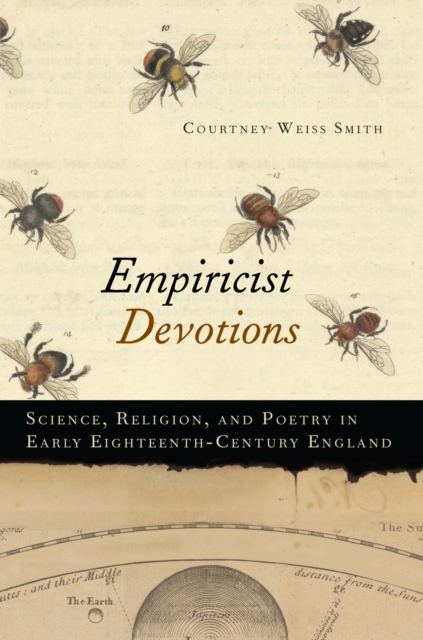
Featuring a moment in late seventeenth- and early eighteenth-century England before the disciplinary divisions that we inherit today were established, Empiricist Devotions recovers a kind of empiricist thinking in which the techniques and emphases of science, religion, and literature combined and cooperated.
In the first book to consider the study of world religion and world literature in concert, Zhange Ni proposes a new reading strategy that she calls "e;pagan criticism,"e; which she applies not only to late twentieth- and early twenty-first-century literary texts that engage the global resurgence of religion but also to the very concepts of religion and the secular.
Loyal Protestants and Dangerous Papists analyzes the vibrant and often violent political culture of seventeenth-century America, exploring the relationship between early American and early modern British politics through a detailed study of colonial Maryland.
Over the course of his distinguished interdisciplinary career, Giles Gunn has sustained his focus on the continuing threats to our collective sense of the human that seem to result from the link between the collision of fundamental values and the increase of systemic violence.
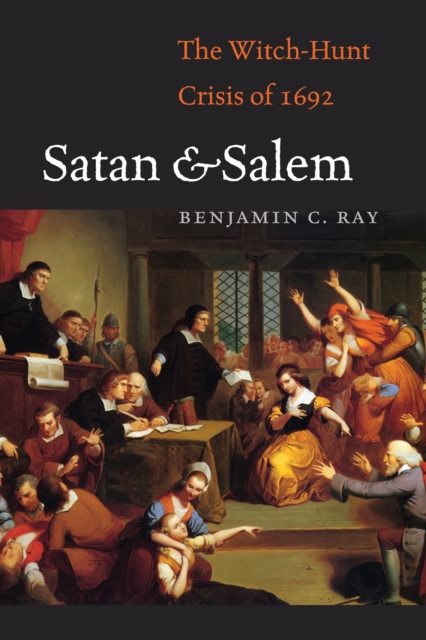
The result of a perfect storm of factors that culminated in a great moral catastrophe, the Salem witch trials of 1692 took a breathtaking toll on the young English colony of Massachusetts.
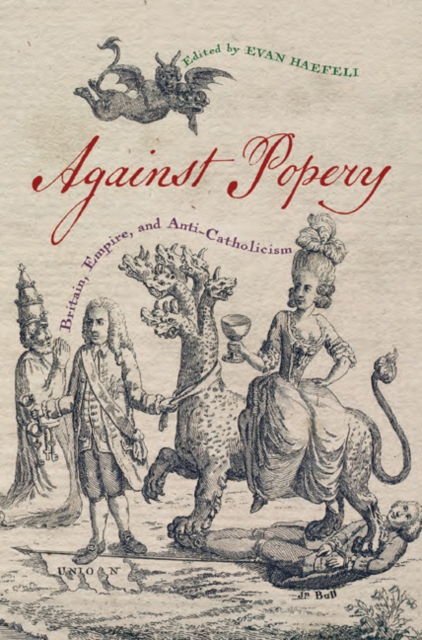
Although commonly regarded as a prejudice against Roman Catholics and their religion, anti-popery is both more complex and far more historically significant than this common conception would suggest.
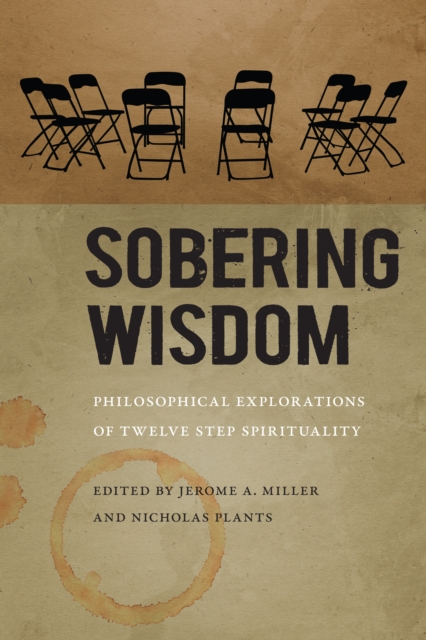
Originally developed by Alcoholics Anonymous, the Twelve Step program now provides life direction for the millions of people worldwide who are recovering from addiction and undergoing profound personal transformation.
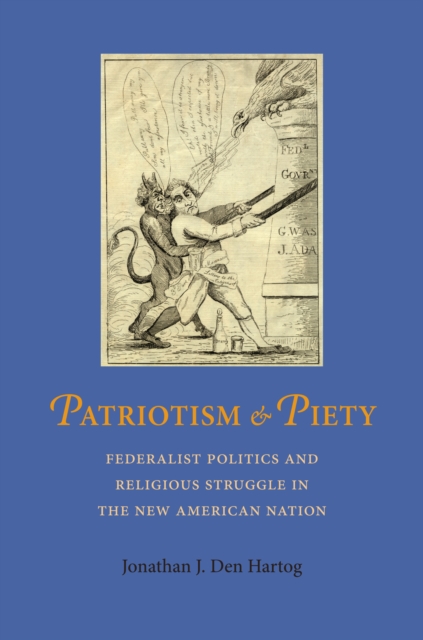
In Patriotism and Piety, Jonathan Den Hartog argues that the question of how religion would function in American society was decided in the decades after the Constitution and First Amendment established a legal framework.
"e;Christian philosophy"e; is commonly regarded as an oxymoron, philosophy being thought incompatible with the assumptions and conclusions required by religious faith.
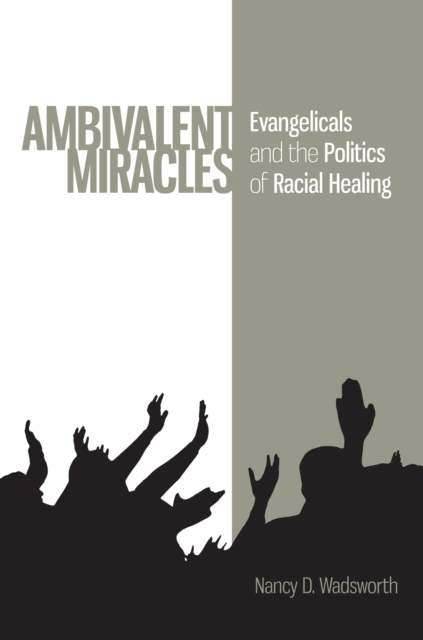
Over the past three decades, American evangelical Christians have undergone unexpected, progressive shifts in the area of race relations, culminating in a national movement that advocates racial integration and equality in evangelical communities.
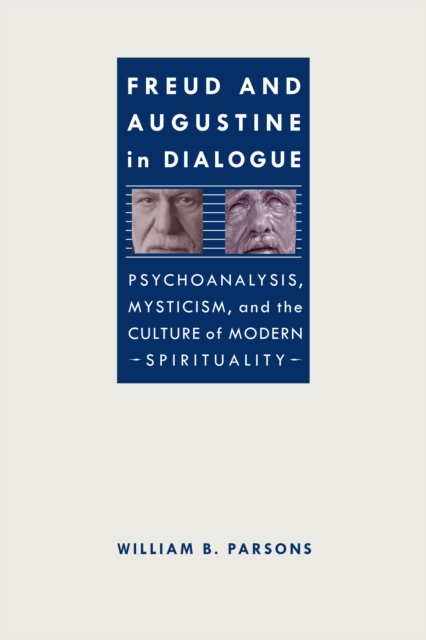
"e;It is arguably the case,"e; writes William Parsons, "e;that no two figures have had more influence on the course of Western introspective thought than Freud and Augustine.
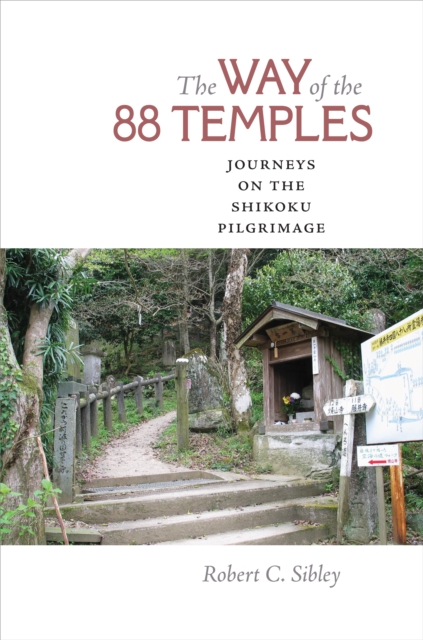
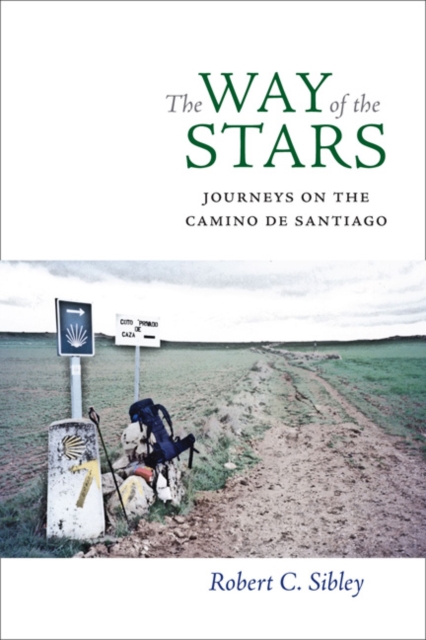
Compelled to seek something more than what modern society has to offer, Robert Sibley turned to an ancient setting for help in recovering what has been lost.
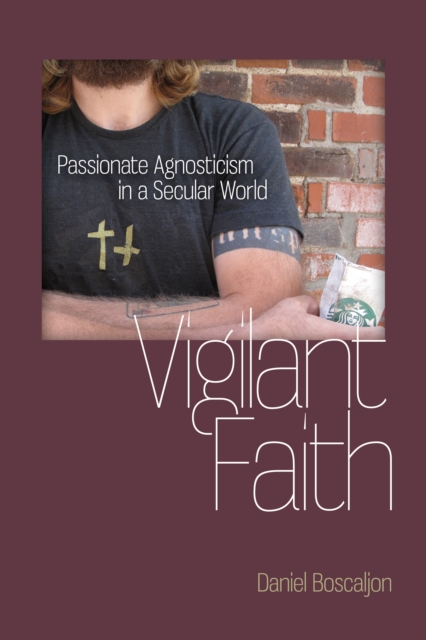
In Vigilant Faith: Passionate Agnosticism in a Secular World, Daniel Boscaljon takes up the contemporary challenges to faith by skepticism and secularism.
Within the familiar clash of religious conservatism and secular liberalism Paul Maltby finds a deeper discord: an antipathy between Christian fundamentalism and the postmodern culture of disenchantment.
Given its affinity with questions of identity, autobiography offers a way into the interior space between author and reader, especially when writers define themselves in terms of religion.
While the academic study of religion has increased almost exponentially in the past fifty years, general theories of religion have been in significant decline.
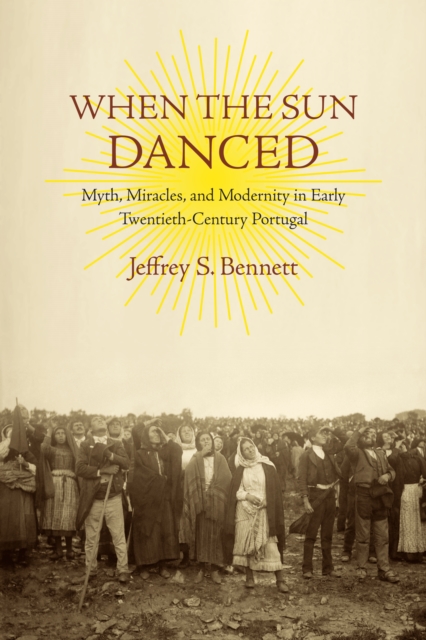
Between May and October of 1917, three young shepherds were reportedly visited six times by an apparition of the Virgin Mary near the town of Fatima in Portugal.
From the beginning of the nineteenth century through to 1960, Protestant missionaries were the most important intermediaries between South Africa's ruling white minority and its black majority.
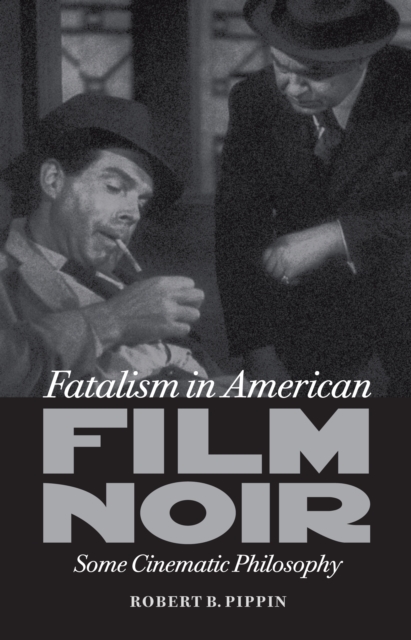
The crime melodramas of the 1940s known now as film noir shared many formal and thematic elements, from unusual camera angles and lighting to moral ambiguity and femmes fatales.
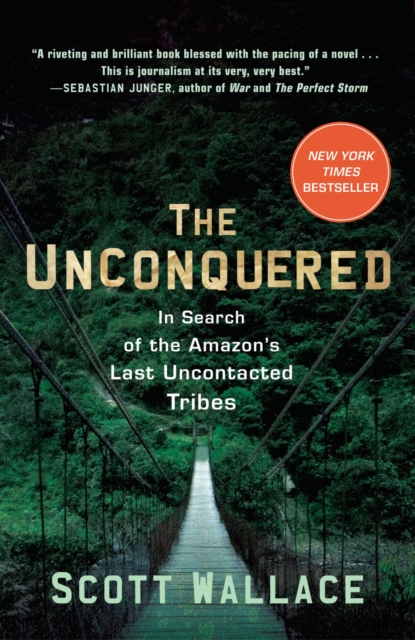
THE UNCONQUERED TELLS THE EXTRAORDINARY TRUE STORY OF A JOURNEY INTO THE DEEPEST RECESSES OF THE AMAZON TO TRACK ONE OF THE PLANET’S LAST UNCONTACTED IN DIGENOUS TRIBES.
During the Second Vatican Council, the Roman Catholic Church went through a period of liberal reform under the stewardship of Popes John XXIII and Paul VI.