Following diamonds from African mines to the necklines of high society women, this international history shows why Jews were central to the transatlantic gem trade and its growth into a global industry.
Following diamonds from African mines to the necklines of high society women, this international history shows why Jews were central to the transatlantic gem trade and its growth into a global industry.
A physician and historian of science and medicine at the National Institute of Health tells the hidden story of how plagues and pandemics shaped the history of the Jewish people.
A physician and historian of science and medicine at the National Institute of Health tells the hidden story of how plagues and pandemics shaped the history of the Jewish people.
Conversations with Dostoevsky presents a series of fictional conversations taking place between November 2018 and Spring 2019 in the narrator's Glasgow apartment and elsewhere in the city.
Mended Faith shares Cornelia Jude's struggle to understand why she was the target of repetitive sexual, physical, and emotional abuse, and how unhealthy coping mechanisms-drug and alcohol abuse, reclusive behavior, and self-mutilation-didn't heal her, but added more brokenness to her already shattered life.
Practical responses to common challenges from skeptics, atheists, and other critics of faith from the author of Compelling Evidence for God and the Bible.
Rebellious Wives, Neglectful Husbands brings into conversation the distinct fields of tafsir (Qur'anic exegesis) studies and women's studies by exploring significant shifts in modern Qur'anic commentaries on the subject of women.
Rebellious Wives, Neglectful Husbands brings into conversation the distinct fields of tafsir (Qur'anic exegesis) studies and women's studies by exploring significant shifts in modern Qur'anic commentaries on the subject of women.
0n a blustery, November morning, a young girl and her mother set off on their annual Thanksgiving week trip to Grandma Shy's country cottage in the rolling hills of Bucks County, Pennsylvania.
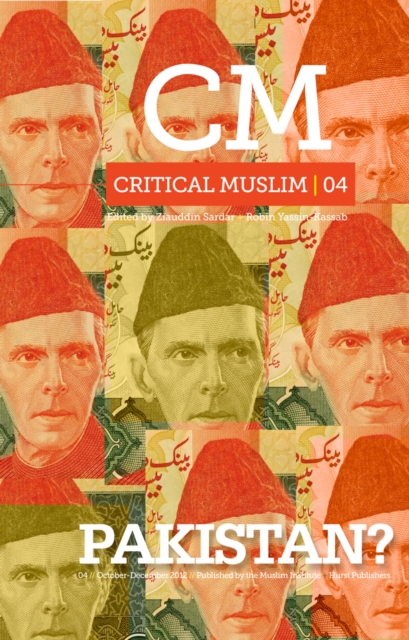
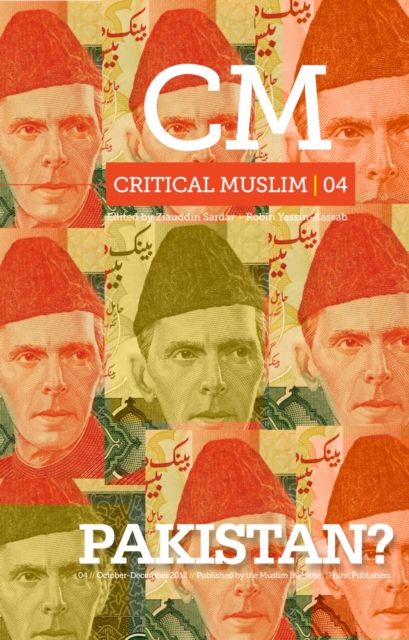
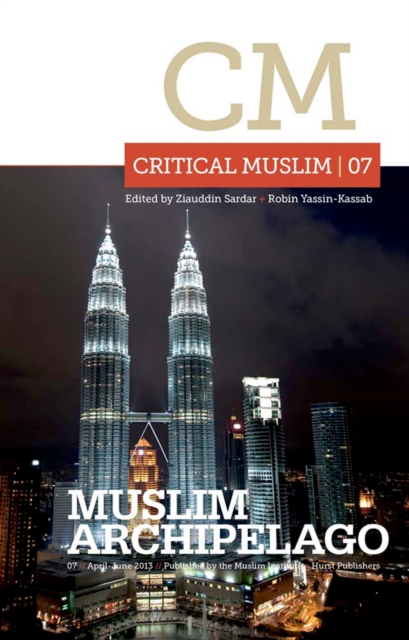
Ziauddin Sardar questions the question mark that is always placed in front of Pakistan, Robin Yassin-Kassab asks why Pakistan has not imploded, Taimur Khan breaks bread with the gangsters and bookies of Karachi, Muhammad Idrees Ahmad revisits Peshawar, Mahvish Ahmad tracks down the separatist in Quetta, Ehsan Masood watches Pakistani television, Merryl Wyn Davies deconstructs 'imaginariums' of Pakistan, Aamer Hussein discusses Pakistani modern classic fiction, Bina Shah asks if there is boom in Pakistani literature, Bilal Tanweer listens to 'Coke Studio', Muneeza Shamsie discovers the literary secrets of her family, Taymiya R.
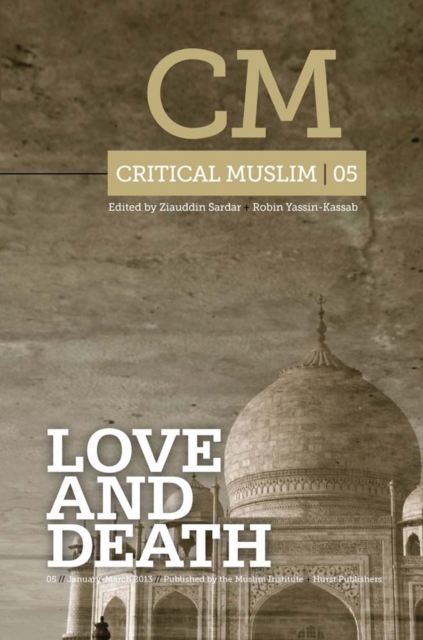
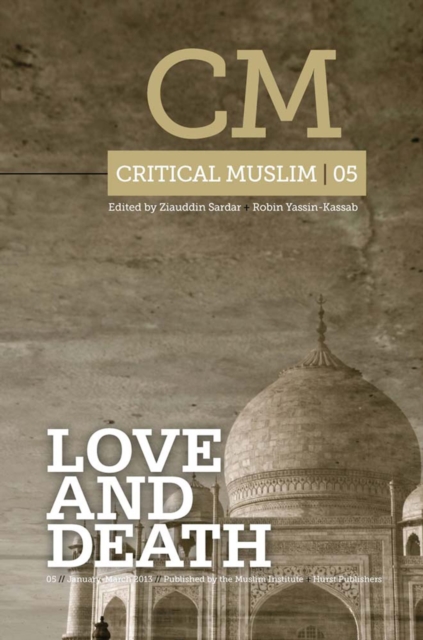
Aamer Hussein takes love to its logical conclusion, Robert Irwin traces the origins of the ghazal (love lyric), Christopher Shackle recites epic Panjabi poems of sacred love and lyrical death, Imranali Panjwani mourns the massacre of Karbala, Martin Rose istaken hostage by Saddam Hussein, Jalees Rahman reflects on Nazi doctors who took delight in deathly experiments, Ramin Jahanbegloo is incarcerated in the notorious Evin prison, Hamza Elahi visits England's Muslim graveyards, Shanon Shah receives valuable guidance on love and sex from the "e;Obedient Wives Club"e;, Samia Rahman sets out in search of love, Khola Hasan has mixed feelings about her hijab, Sabita Manian promotes love between India and Pakistan, Boyd Tonkin discovers that dead outrank the living in Jerusalem , Alev Adil takes "e;a night journey through a veiled self"e; and Irna Qureshi's mother finally makes a decision on her final resting place.
Aamer Hussein takes love to its logical conclusion, Robert Irwin traces the origins of the ghazal (love lyric), Christopher Shackle recites epic Panjabi poems of sacred love and lyrical death, Imranali Panjwani mourns the massacre of Karbala, Martin Rose istaken hostage by Saddam Hussein, Jalees Rahman reflects on Nazi doctors who took delight in deathly experiments, Ramin Jahanbegloo is incarcerated in the notorious Evin prison, Hamza Elahi visits England's Muslim graveyards, Shanon Shah receives valuable guidance on love and sex from the "e;Obedient Wives Club"e;, Samia Rahman sets out in search of love, Khola Hasan has mixed feelings about her hijab, Sabita Manian promotes love between India and Pakistan, Boyd Tonkin discovers that dead outrank the living in Jerusalem , Alev Adil takes "e;a night journey through a veiled self"e; and Irna Qureshi's mother finally makes a decision on her final resting place.
Ziauddin Sardar argues why Islamic reform is necessary, Bruce Lawrence sees Muslim cosmopolitanism as the future, Parvez Manzoor declares jihad on the idea of 'the political', Samia Rahman gets to the root of Muslim misogyny, Michael Muhammad Knight explains his taqwacore beliefs, Soha al-Jurf has problems with orthodoxy, Carool Kersten suggests that critical thinkers and reformers are often seen as heretics, and Ben Gidley on what keeps Muslims and Jews apart and what can bring them together.
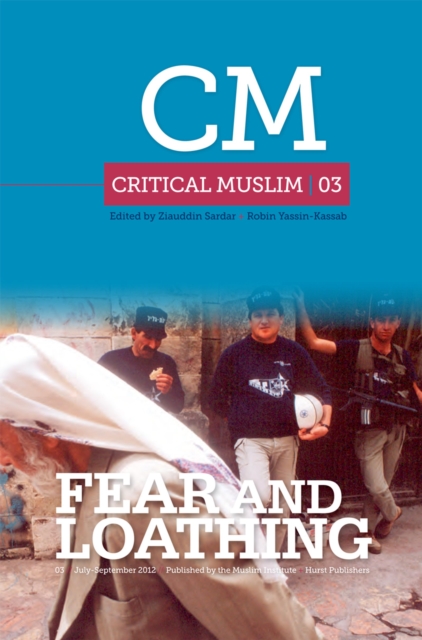
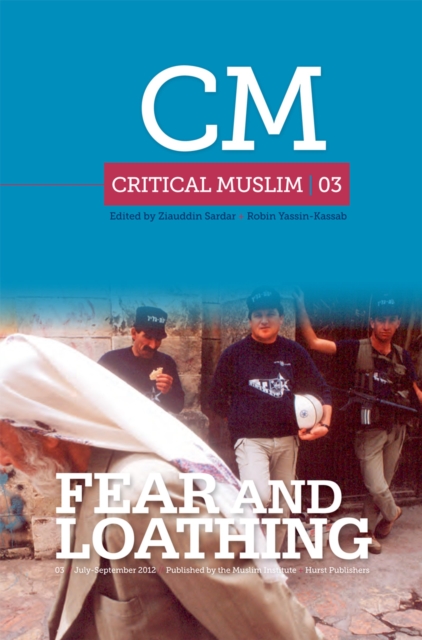
AbdelWahab El-Affendi on Islamophobia and Orientalism in the age of liberal paranoia, Arun Kundnani on English Defense League and the rise of the far right in Europe, Vinay Lal on Hindus who love Hitler, Gordon Steffey on Christian fundamentalism, Fanar Haddad on the sectarian schisms in the Arab world, Gary McFarlane on Tottenham Riots, Farouk Peru on self loathing Muslims, Claire Chambers on 'Four Lions', Peter Clark on Bernard Lewis and Peter Moray on Irshad Manji.
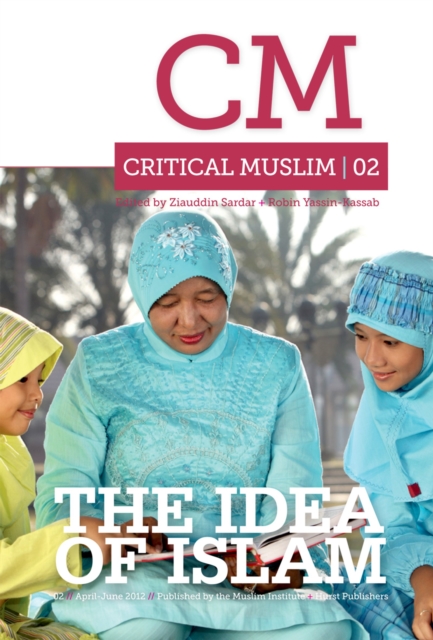
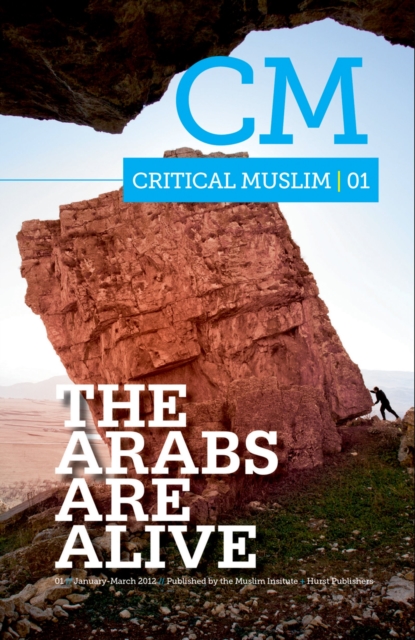
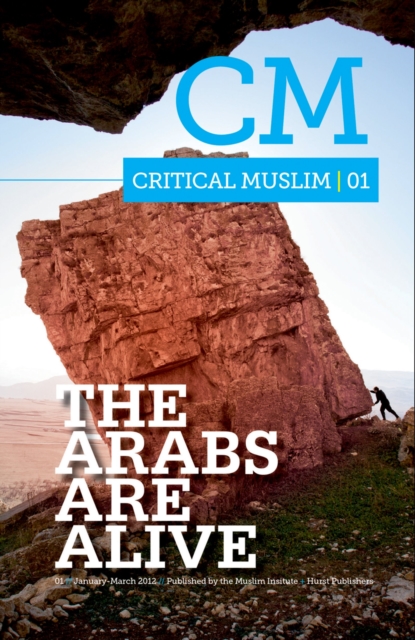
In the inaugural issue of Critical Muslim: Ziauddin Sardar tries to understand the significance of what just happened in the Middle East, Robin Yassin-Kassab spends some quality time in Tahrir Square, Ashur Shamis dodges the bullets of Gaddafi's henchmen, Abdelwahab El-Affendi traces the roots of the uprisings, Anne Alexander tunes into the digital revolution, Fadia Faqir joins women protestors, Shadia Safwan asks how long could Assad last, Jamal Mahjoub contemplates futures of the Sudan, Jasmin Ramsey joins the activists in Tehran, and Jerry Ravetz ponders the significance of Ibn Khaldun to the Arab Spring.
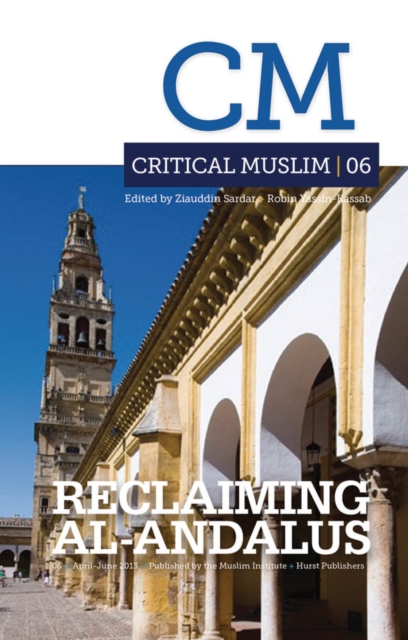
Ziauddin Sardar sides with the philosophers of al-Andalus in their struggle with orthodox theologians, Robin Yassin-Kassab goes on a poetic journey, Nazry Bahrawi reveals how the Andalusi philosophers tamed the secular, Gema Martin Munoz is dismayed by the works of the Spanish Orientalists, Emilio Gonzalez-Ferrin argues that al-Andalus is not just a time past also a time present, Matthew Carr explores the plight of Muslims who were forced to convert to Christianity, David Shasha describes the achievements of Sephardic Jews, Cherif Abderrahman Jah tunes into the musical legacy of al-Andalus, Brad Bullock seeks to empower women, Marvine Howe meets the new Muslims of Iberia, Jordi Sarra del Pino wows to resist Spain s new Reconquista, Alev Adil and Aamer Hussein receive nine postcards from Andalusia, Boyd Tonkin is captivated by a book festival in Granada, Zara Amjad and Gulzar Haider reimagine the Cordoba Mosque as a sacred space for all religions, and Merryl Wyn Davies gets the shivers while listening to the Spanish tenor Jose Carreras belting out Granada .
AbdelWahab El-Affendi on Islamophobia and Orientalism in the age of liberal paranoia, Arun Kundnani on English Defense League and the rise of the far right in Europe, Vinay Lal on Hindus who love Hitler, Gordon Steffey on Christian fundamentalism, Fanar Haddad on the sectarian schisms in the Arab world, Gary McFarlane on Tottenham Riots, Farouk Peru on self loathing Muslims, Claire Chambers on 'Four Lions', Peter Clark on Bernard Lewis and Peter Moray on Irshad Manji.
Ziauddin Sardar questions the question mark that is always placed in front of Pakistan, Robin Yassin-Kassab asks why Pakistan has not imploded, Taimur Khan breaks bread with the gangsters and bookies of Karachi, Muhammad Idrees Ahmad revisits Peshawar, Mahvish Ahmad tracks down the separatist in Quetta, Ehsan Masood watches Pakistani television, Merryl Wyn Davies deconstructs 'imaginariums' of Pakistan, Aamer Hussein discusses Pakistani modern classic fiction, Bina Shah asks if there is boom in Pakistani literature, Bilal Tanweer listens to 'Coke Studio', Muneeza Shamsie discovers the literary secrets of her family, Taymiya R.
In the inaugural issue of Critical Muslim: Ziauddin Sardar tries to understand the significance of what just happened in the Middle East, Robin Yassin-Kassab spends some quality time in Tahrir Square, Ashur Shamis dodges the bullets of Gaddafi's henchmen, Abdelwahab El-Affendi traces the roots of the uprisings, Anne Alexander tunes into the digital revolution, Fadia Faqir joins women protestors, Shadia Safwan asks how long could Assad last, Jamal Mahjoub contemplates futures of the Sudan, Jasmin Ramsey joins the activists in Tehran, and Jerry Ravetz ponders the significance of Ibn Khaldun to the Arab Spring.
Ziauddin Sardar argues why Islamic reform is necessary, Bruce Lawrence sees Muslim cosmopolitanism as the future, Parvez Manzoor declares jihad on the idea of 'the political', Samia Rahman gets to the root of Muslim misogyny, Michael Muhammad Knight explains his taqwacore beliefs, Soha al-Jurf has problems with orthodoxy, Carool Kersten suggests that critical thinkers and reformers are often seen as heretics, and Ben Gidley on what keeps Muslims and Jews apart and what can bring them together.
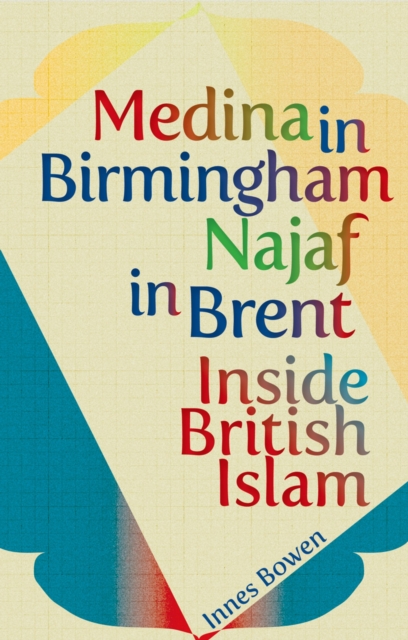
Muslim intellectuals may try to define something called British Islam, but the truth is that as the Muslim community of Britain has grown in size and religiosity, so too has the opportunity to found and run mosques which divide along ethnic and sectarian lines.
The Complete Regional Guide to Craft BeerWith quality beer producers popping up all over the nation, you dont have to travel very far to taste great beer; some of the best stuff is brewing right in your home state.
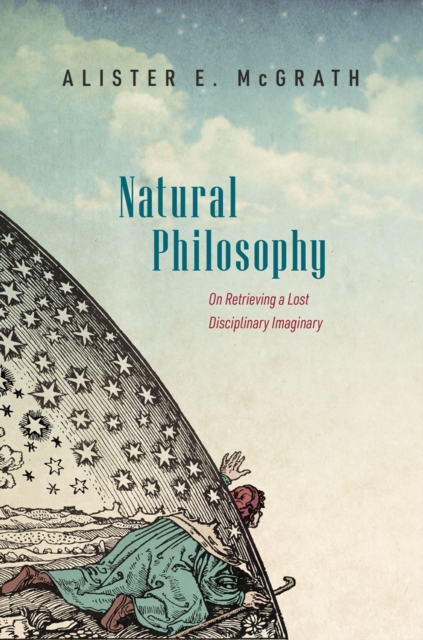
Recovering the forgotten discipline of Natural Philosophy for the modern worldThis book argues for the retrieval of 'natural philosophy', a concept that faded into comparative obscurity as individual scientific disciplines became established and institutionalized.
Discover Hope, Purpose, and Victory in Life's Lowest PlacesWe long to live on spiritual mountaintops--places of glory and presence--but we spend most of our time in the valleys, battling trials, giants, chaos, even hopelessness.
Almond places Ottos theory of religion within the context of his life (1869-1937), looking closely at the significant influences on Ottos thought, among them thinkers as different as Kant and the German Pietists.
'Bewitching' - Gregory Maguire, author of Wicked**Includes the bonus short story 'The Lake Witch' exclusive to this 10th Anniversary Edition**A dark enchantment blights the land in the award-winning Uprooted - a captivating fantasy inspired by fairy tales and steeped in Slavic folklore.
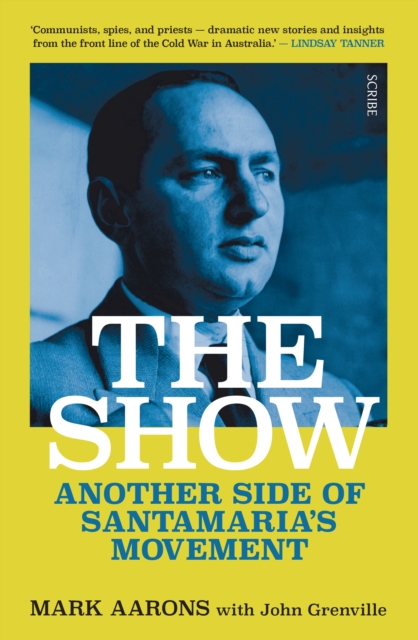
In 1942, on the recommendation of 26-year-old Bob Santamaria, Australia's Catholic bishops created a clandestine church organisation to smash the Communist Party's massive trade union base.
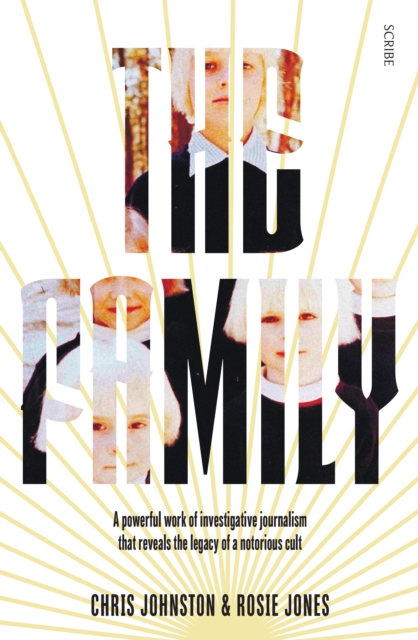
The apocalyptic group The Family and their guru, Anne Hamilton-Byrne - one of very few female cult leaders in history - captured international headlines throughout the 1980s and 1990s.