Equip Them to Value God's DesignIn today's world, children are constantly exposed to confusing and often harmful ideas about sexuality, gender identity, and human biology.
This book examines the complex entanglement of religion, nationalism, and identity in modern Iran, tracing the historical and sociopolitical forces that have shaped the country’s tumultuous modernity.
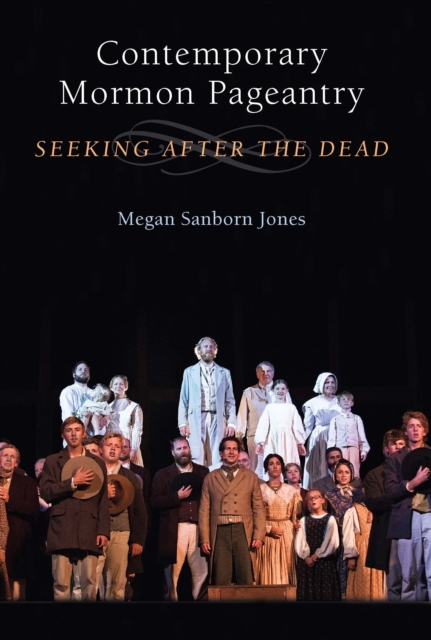
In Contemporary Mormon Pageantry, theater scholar Megan Sanborn Jones looks at Mormon pageants, outdoor theatrical productions that celebrate church theology, reenact church history, and bring to life stories from the Book of Mormon.
Experience for the first time in English the aural lineage of the Great Perfection Dzogchen tradition, expertly brought to life by the practitioner and translator Acarya Malcolm Smith.
Already with decades of experience speaking prophetically into the charged racial climate of the American south, John Perkins began to see a need for organized thinking and collaborative imagination about how the church engages urban ministry.
In Contemporary Mormon Pageantry, theater scholar Megan Sanborn Jones looks at Mormon pageants, outdoor theatrical productions that celebrate church theology, reenact church history, and bring to life stories from the Book of Mormon.
This is the first full-length study to explore how contemporary, Western manifestations of Sufism are represented in fictional texts and examines how Sufi principles and ideas are deeply embedded in the literary production of selected writers.
In the translator's introduction to this volume, James Kellerman relates the following story:As Thomas Aquinas was approaching Paris, a fellow traveler pointed out the lovely buildings gracing that city.
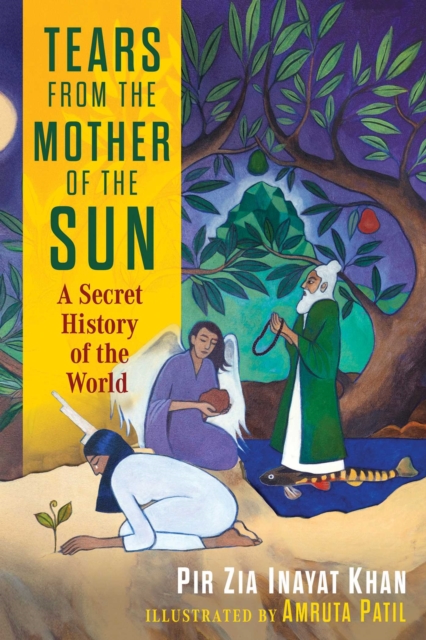
Synthesizes ancient mythologies across time, space, and cultures to resacralize the human experience Written as a novella interspersed with metered quatrains in the tradition of medieval Persian belles-lettres Includes full-color paintings of key figures and motifs, including Sita, Yggdrasil, the Minotaur, Quetzalcoatl, and the Three MarysIn this globe-spanning chronicle, Pir Zia Inayat Khan, leader of the Inayatiyya, sets forth an astonishing sequence of legends revealing little-known connections between ancient cultures and spiritual lineages.
ECPA Top Shelf Book Cover AwardA Christian case for natural burialThe promises of the Christian gospel are never more precious or more beautiful than in the context of death and burial.
This is the first full-length study to explore how contemporary, Western manifestations of Sufism are represented in fictional texts and examines how Sufi principles and ideas are deeply embedded in the literary production of selected writers.
Christianity Today Book Award winnerImagine the scenarios:- a CEO successfully negotiates a corporate merger, avoiding hundreds of layoffs in the process- an artist completes a mosaic for public display at a bank, showcasing neighborhood heroes- a contractor creates a work-release program in cooperation with a local prison, growing the business and seeing countless former inmates turn their lives around- a high-school principal graduates 20 percent more students than the previous year, and the school's average scores go up by a similar percentageNow imagine a parade in the streets for each event.
Stand Up addresses the growing need for women to enter the narrative of how American culture is presently being shaped and leave their mark on a world screaming for relevance, excellence, and truth.
Crosses, candles, choir vestments, sanctuary flowers, and stained glass are common church features found in nearly all mainline denominations of American Christianity today.
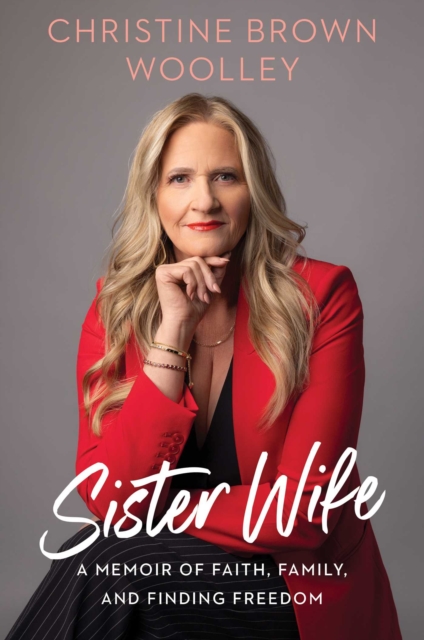
#1 NEW YORK TIMES BESTSELLER From TLC's Sister Wives star Christine Brown Woolley, a groundbreaking and heartfelt memoir about living in a family like no other and finding the strength to leave polygamyand the only life she's knownbehind.