Positioned at the intersection of indigenous knowledge systems and spatial practice, this volume explores how ritualised, place-based epistemologies can reframe design and planning responses to global ecological crises.
See for Yourself How God's Word Can Be TrustedWithout confidence that the Bible is a sure word from God, we can easily become lost in a sea of opinion.
Cyflwynir yma holl syniadaeth athrawiaethol yr Apostol Paul a’i gefndir meddyliol mewn un bennod ar ddeg, ynghyd â swmp y farn ysgolheigaidd ddiweddaraf ar y pwnc.
What happens when religious authority is examined with the same rigor applied to history, law, politics, and every other institution that shapes human life?
Between Thought and Temple traces the history, doctrine, and culture of the Círculo Esotérico da Comunhão do Pensamento (CECP) from its founding in São Paulo in 1909 to the present day.
Judas Exposed: Identify the Judases in Your Life, Understand Your Pain, and Rise Stronger is a raw, faith-filled guide for anyone navigating betrayal, rejection, persecution, manipulation, gaslighting or emotional pain.
The fantastic has been and is particularly prolific in Hispanic countries during the twentieth and twenty-first centuries, largely due to the legacy of short story writers as well as the Latin-American boom that presented alternatives to the model of literary realism.
This edited collection examines Gothic works written by women authors in the late eighteenth and early nineteenth centuries, with a specific focus on the novels and chapbooks produced by less widely commercially and critically popular writers.
This edited book critically examines if and how Gender and Development can address the contemporary challenges of the 21st century, focusing on the perspectives of scholars and practitioners from Australia and the Pacific.
Positioned at the intersection of indigenous knowledge systems and spatial practice, this volume explores how ritualised, place-based epistemologies can reframe design and planning responses to global ecological crises.
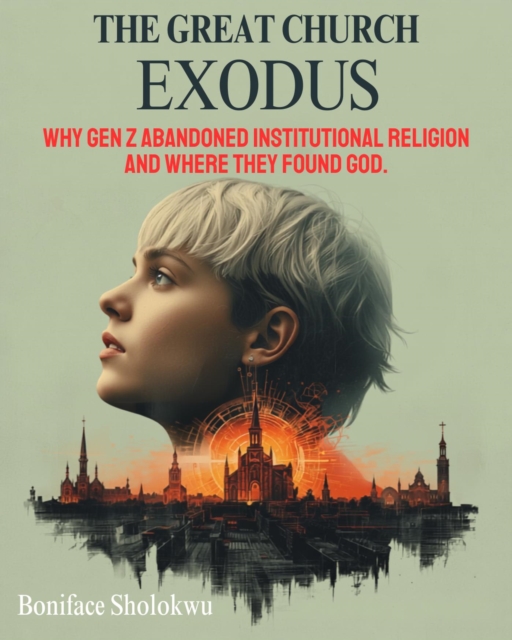
The Great Church Exodus: Why Gen Z Abandoned Institutional Religion and Where They Found GodWhat happens when an entire generation walks away from the church but continues searching for meaning, purpose, and something greater than themselves?
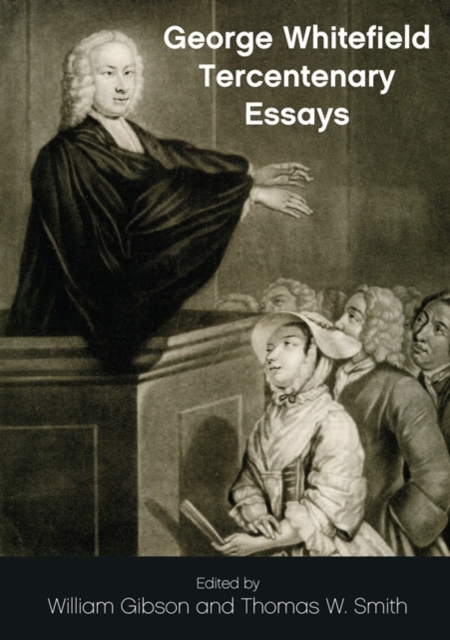
This special issue of The Journal of Religious History, Literature and Culture comprises some of the papers delivered at the 'George Whitefield after Three Hundred Years' International Conference held in June 2014 at Pembroke College, Oxford, commemorating the tercentenary of George Whitefield's birth in 1714.
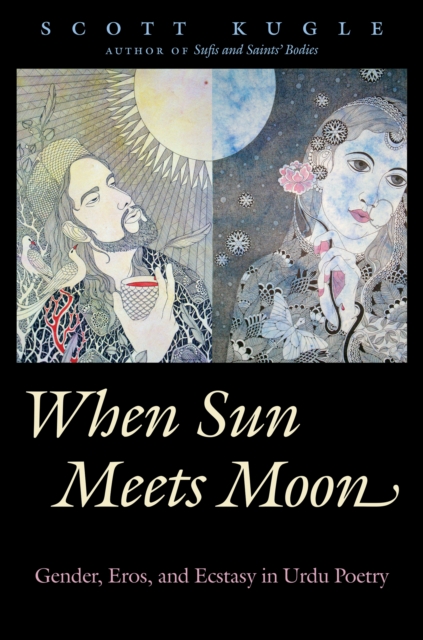
The two Muslim poets featured in Scott Kugles comparative study lived separate lives during the eighteenth and early-nineteenth centuries in the Deccan region of southern India.
Explores the use of love magic since prehistoric times, throughout the ancient cultures of Babylon, Greece, and Rome, as well as among medieval European alchemists Presents methods for using Magicis Materiae of active botanicals, minerals, magic soil, and animal products, as well as incantations, periapts, amulets, and poppets Describes the rites and rituals of love magic and practices to protect oneself from love spells and counter the effects of aphrodisiacsLove Philtres is a practical guide to one of the most ancient and widely used magical practices in the worldthe use of devices and potions to find and keep love.
Female Gothic Histories traces the development of women's Gothic historical fiction from Sophia Lee's The Recess in the late eighteenth century through the work of Elizabeth Gaskell, Vernon Lee, Daphne du Maurier and Victoria Holt to the bestselling novels of Sarah Waters in the twenty-first century.
The two Muslim poets featured in Scott Kugles comparative study lived separate lives during the eighteenth and early-nineteenth centuries in the Deccan region of southern India.
Heaven Bound: Your Guide to True Life in Christ invite readers on a transformative journey toward understanding God's promise of eternal life and living with purpose in His kingdom.
'Absolutely mesmerising' - Lucy Rose, bestselling author of The LambAtonement meets Weyward in this striking historical debut from new talent Laura Evans about queer love, privilege and the intoxicating dangers of embracing the wild .
The bold, inspiring, and empowering new book on the possibility of modern womanhood - helping you to ditch the labels, find your voice, and reclaim your confidence.
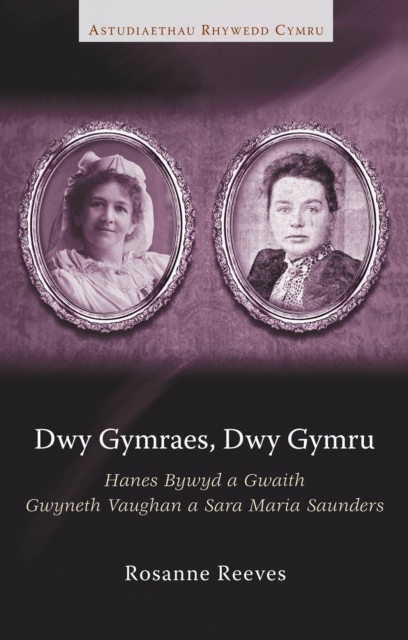
This rich interdisciplinary book brings significant and original insights to the study of Welsh identity and religion, as well as exploring the distinctive pressures that Welsh women face in their everyday lives.