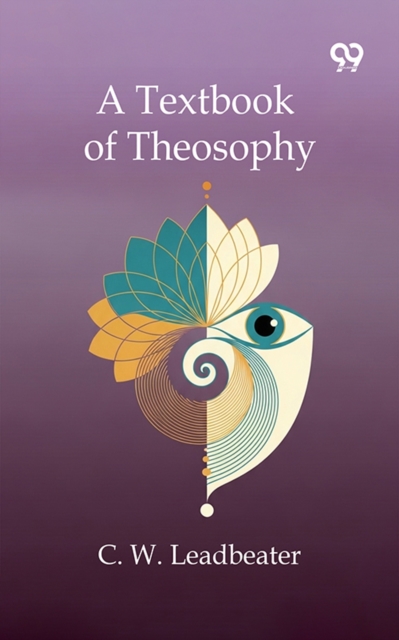
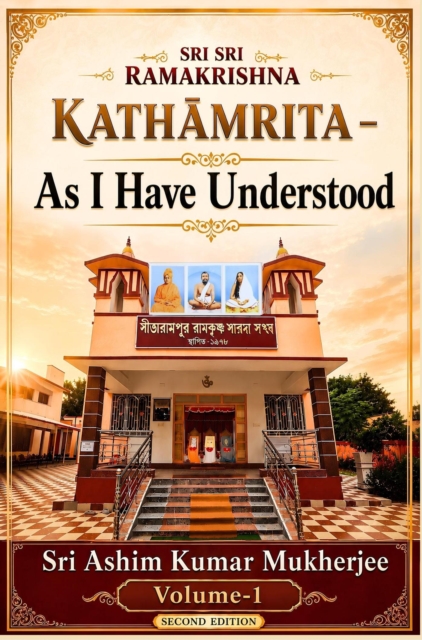
A textbook of theosophy presents a structured exploration of spiritual philosophy that seeks to reconcile metaphysical understanding with rational inquiry.
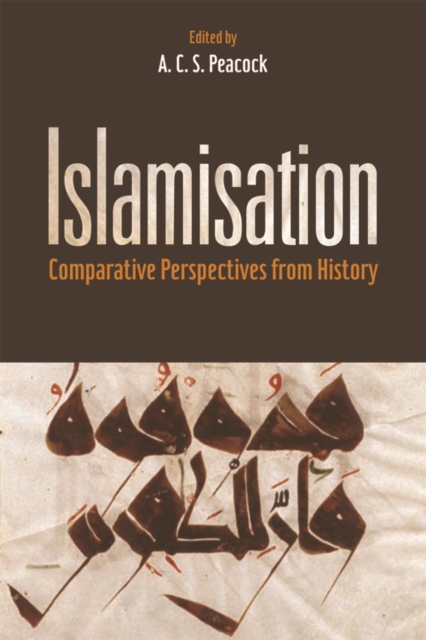
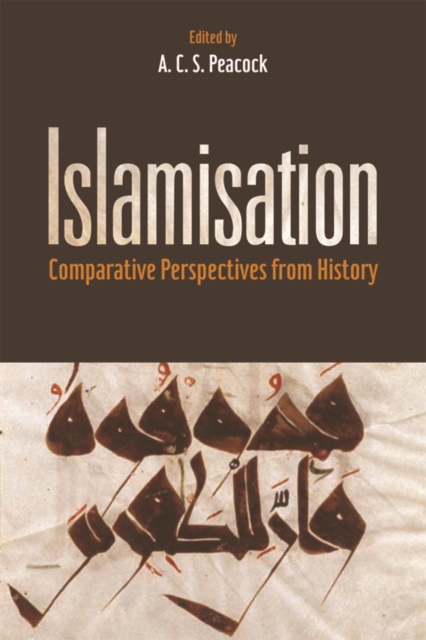
In 24 chapters, this volume explores the spread of Islam and the process of Islamisation over 11 centuries of its history: both conversion to Islam and the adoption of Muslim culture.
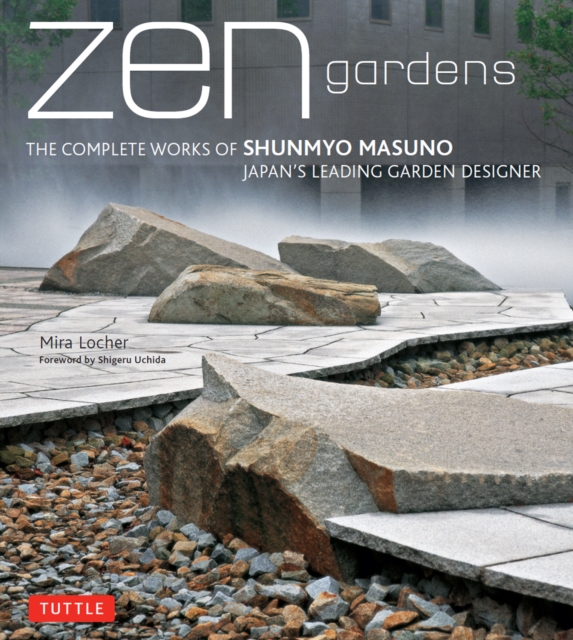
Shunmyo Masuno, Japan's leading garden designer, is at once Japan's most highly acclaimed landscape architect and an 18th-generation Zen Buddhist priest, presiding over daily ceremonies at the Kenkoji Temple in Yokohama.
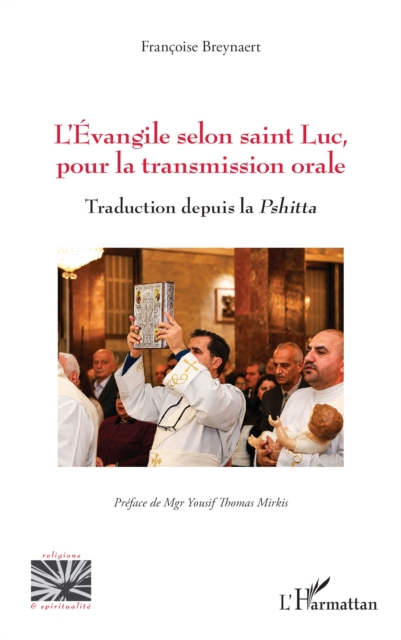
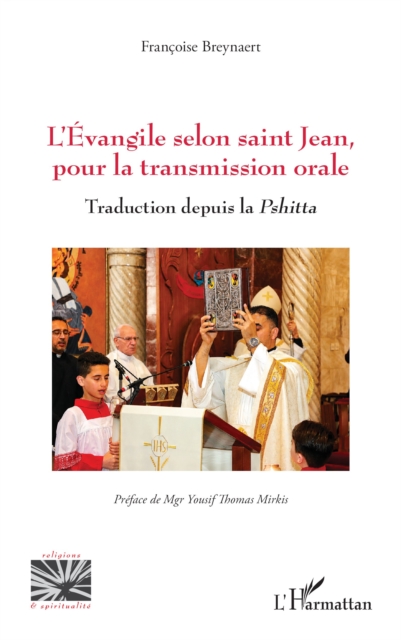
Cette traduction est concue pour la transmission orale, par c ur, avec le c ur, de c ur a c ur, comme au temps des apotres, et a partir de leur langue, l'arameen.
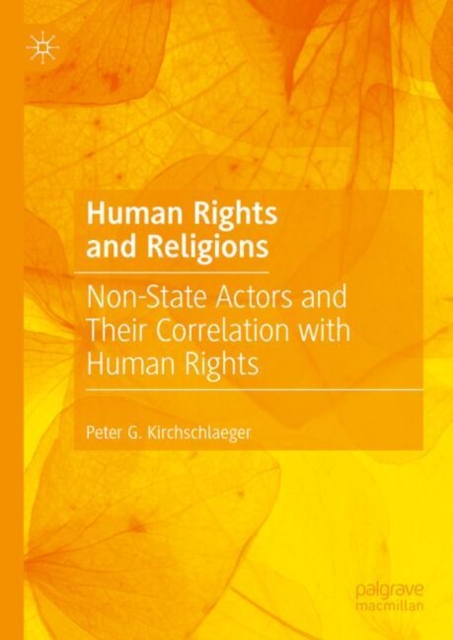
Offering a critical, comprehensive, and holistic discussion of the validity of human rights inside and outside of religious communities, this book explores the relationship between religious communities, abstract “religion”, and human rights from an ethical perspective.
Offering a critical, comprehensive, and holistic discussion of the validity of human rights inside and outside of religious communities, this book explores the relationship between religious communities, abstract “religion”, and human rights from an ethical perspective.
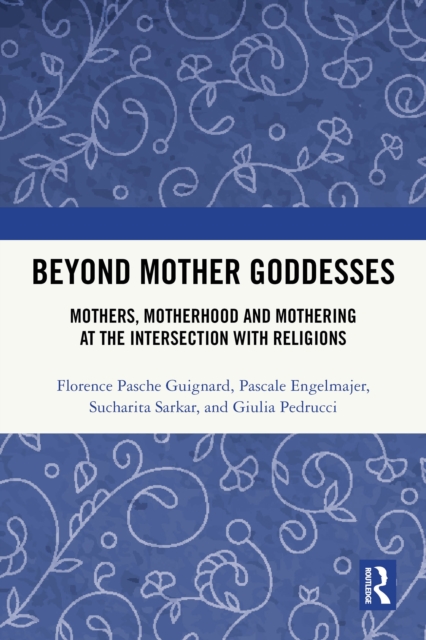
Beyond Mother Goddesses: Mothers, Motherhood and Mothering at the Intersection with Religions introduces key scholars in the study of mothers, maternal figures, and motherhood at the intersection with religion and spirituality, as well as new paths for research.
In 24 chapters, this volume explores the spread of Islam and the process of Islamisation over 11 centuries of its history: both conversion to Islam and the adoption of Muslim culture.
Discover Hope, Grace, and Healing in These 800 Promises Straight from God's WordWith millions of copies in print, this book stands as a proven and essential Bible tool for everyday use.
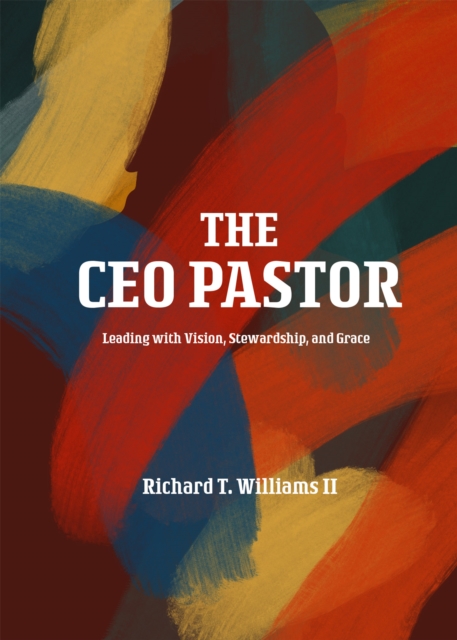
I felt compelled to write this book because several pastor friends of mine have fallen and will probably never serve as ministers again, or shouldn't serve as ministers again.
Seminar paper from the year 2009 in the subject Theology - Practical Theology, grade: 1, University of Graz, language: English, abstract: There are many differences in their attitude towards religion in public life between european and US-citizens and even though there is an agreement on the separation of church and state on both coasts of the Atlantic, the difference in how much of their own belief politicians are allowed to express when executing a public office seems to be as huge in scale like the water mass of the ocean between the two continents.
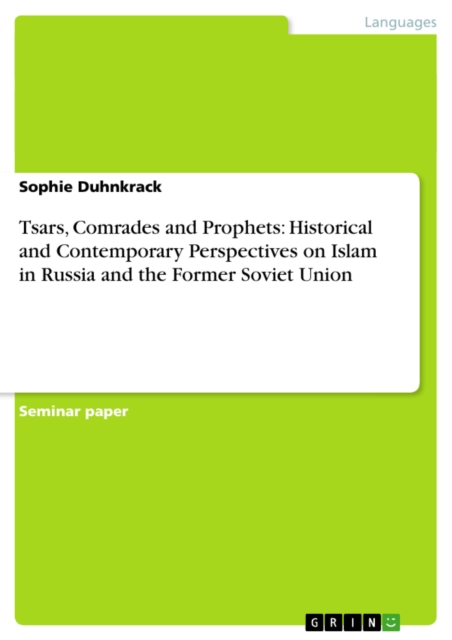
Seminar paper from the year 2009 in the subject Orientalism / Sinology - Islamic Studies, grade: 92, Ben Gurion University, course: Tsars, Comrades and Prophets: Historical and Contemporary Perspectives on Islam in Russia and the Former Soviet Union, language: English, abstract: For almost a millennium Russia has interacted with Islam.
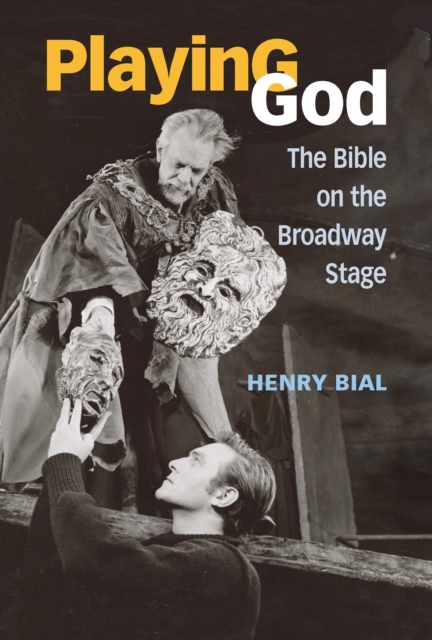
Biblical texts have inspired more than 100 Broadway plays and musicals, ranging from early spectacles like Ben-Hur (1899) to more familiar works such as Godspell and Jesus Christ Superstar.
Biblical texts have inspired more than 100 Broadway plays and musicals, ranging from early spectacles like Ben-Hur (1899) to more familiar works such as Godspell and Jesus Christ Superstar.
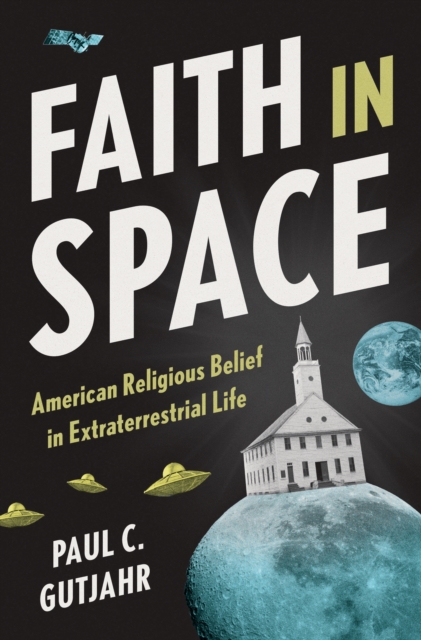
A cultural history of the American faith in alien life, from the Puritans to Heaven's GateOver the past three centuries, belief in extraterrestrial life has had a profound influence on American religion.
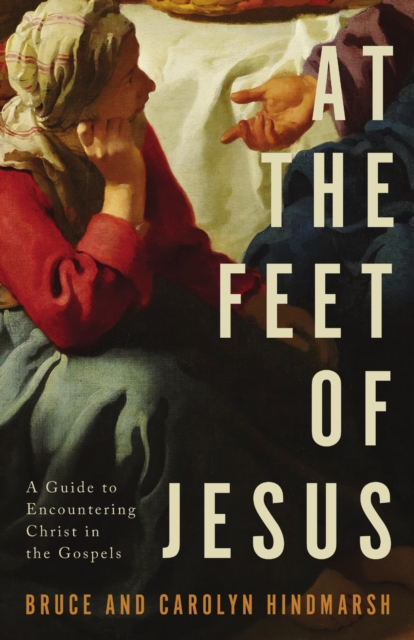
Transform Your Prayer Life and Draw Closer to JesusAt the Feet of Jesus is a guided adventure into the heart of the gospel story, inviting you to step into the lives of some of Jesus' closest friends Mary, Martha, and Lazarus.
La reflexion de Pierre Anzian sur l'Etre et Heidegger appliquee au developpement integral de l'Afrique constitue une contribution originale a la pensee contemporaine.
This book offers a fresh perspective on the narrative portrayal of the early Christian movement in Luke–Acts, integrating social network analysis (SNA) with critical spatiality and exegetical methods.
This book offers a fresh perspective on the narrative portrayal of the early Christian movement in Luke–Acts, integrating social network analysis (SNA) with critical spatiality and exegetical methods.
A cultural history of the American faith in alien life, from the Puritans to Heaven's GateOver the past three centuries, belief in extraterrestrial life has had a profound influence on American religion.