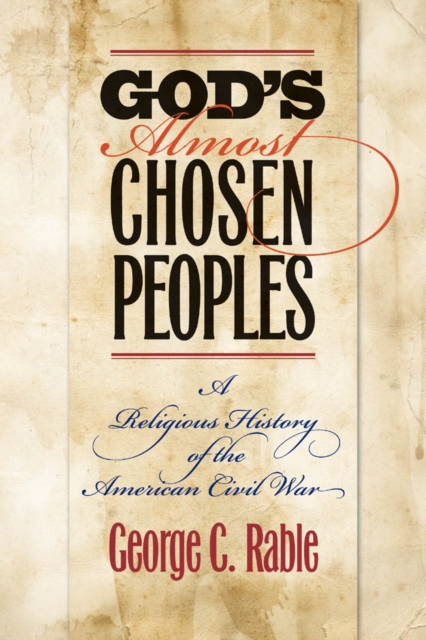
Throughout the Civil War, soldiers and civilians on both sides of the conflict saw the hand of God in the terrible events of the day, but the standard narratives of the period pay scant attention to religion.
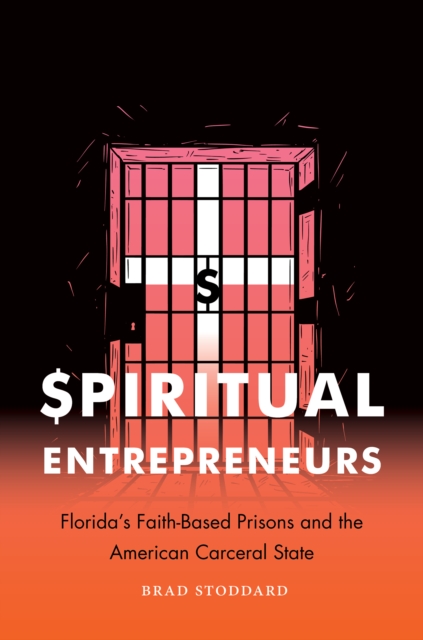
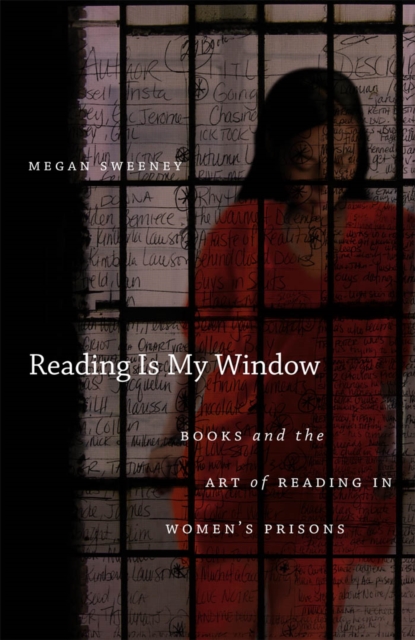
The overall rate of incarceration in the United States has been on the rise since 1970s, skyrocketing during Ronald Reagans presidency, and recently reaching unprecedented highs.
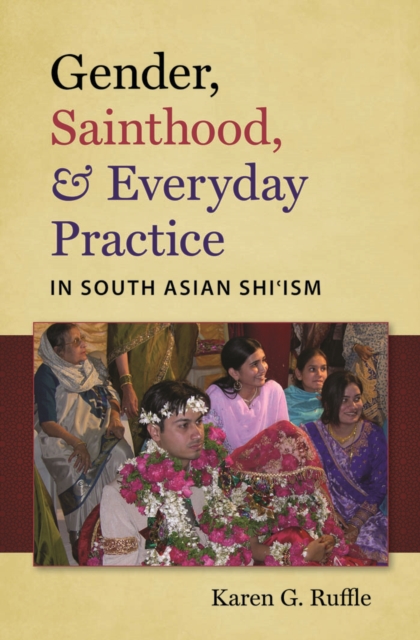
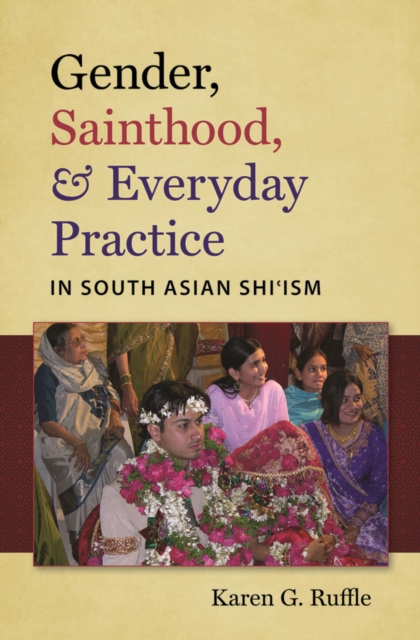
In this study of devotional hagiographical texts and contemporary ritual performances of the Shi'a of Hyderabad, India, Karen Ruffle demonstrates how traditions of sainthood and localized cultural values shape gender roles.
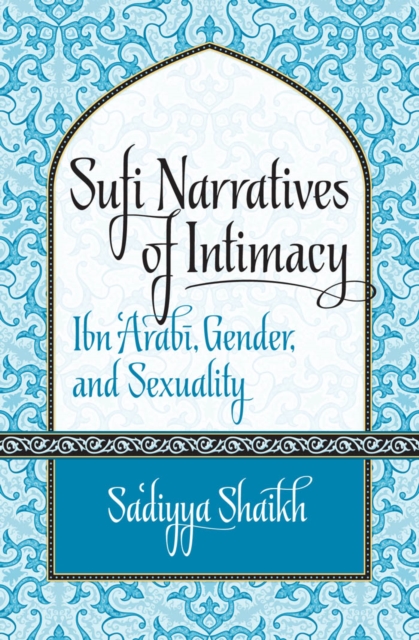
Thirteenth-century Sufi poet, mystic, and legal scholar Muhyi al-Din ibn al-'Arabi gave deep and sustained attention to gender as integral to questions of human existence and moral personhood.
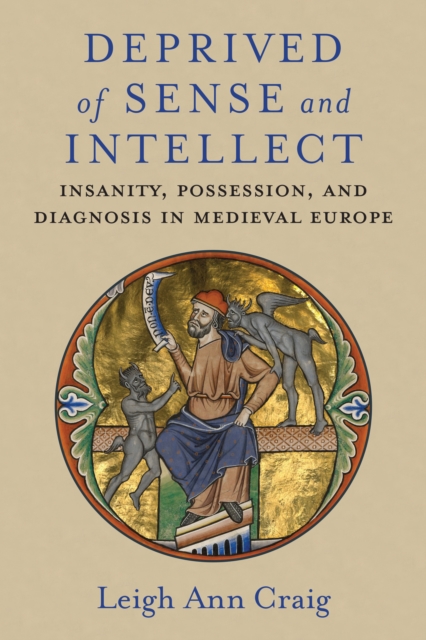
Medieval saints were thought to be able to provide miraculous cures for a wide variety of illnesses, and about one tenth of their miracles involved the restoration of sanity to those who had lost their minds.
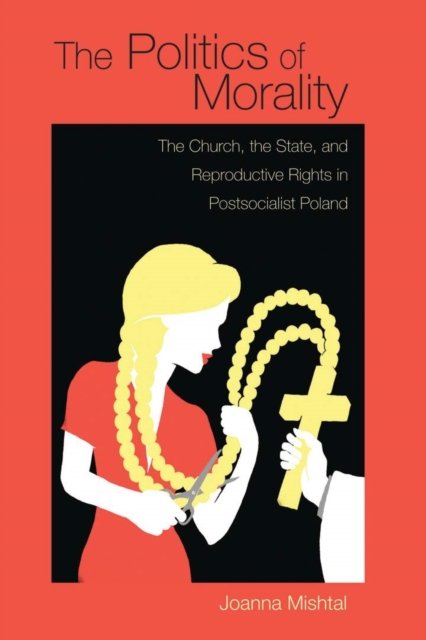
After the fall of the state socialist regime and the end of martial law in 1989, Polish society experienced both a sense of relief from the tyranny of Soviet control and an expectation that democracy would bring freedom.
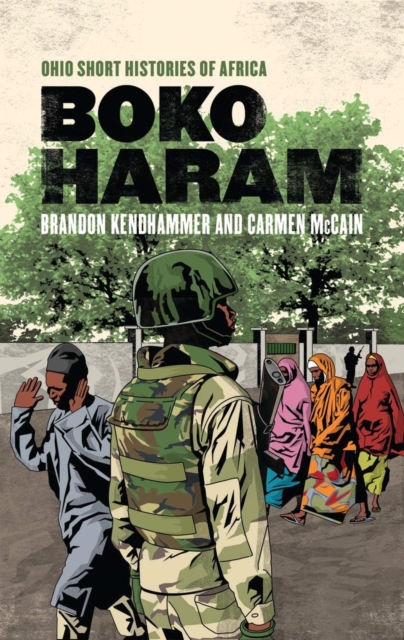
From its small-time origins in the early 2000s to its transformation into one of the world's most-recognized terrorist groups, this remarkable short book tells the story of Boko Haram's bloody, decade-long war in northeastern Nigeria.
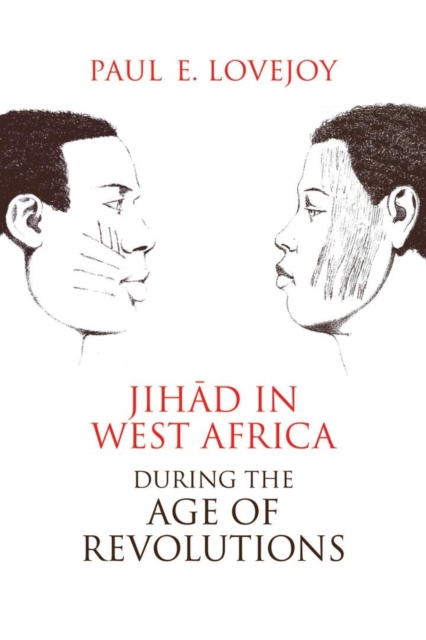
In Jihad in West Africa during the Age of Revolutions, a preeminent historian of Africa argues that scholars of the Americas and the Atlantic world have not given Africa its due consideration as part of either the Atlantic world or the age of revolutions.
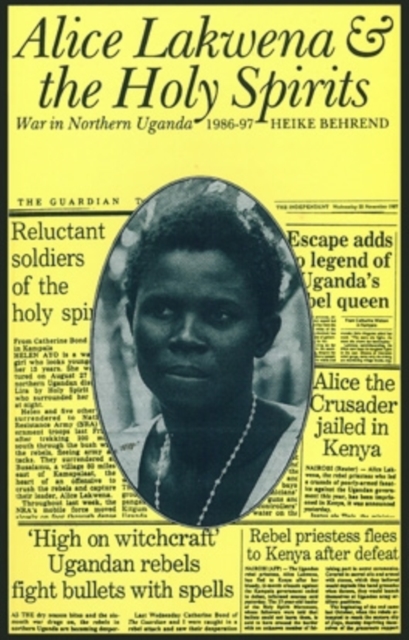
In August 1986, Alice Auma, a young Acholi woman in northern Uganda, proclaiming herself under the orders of a Christian spirit named Lakwena, raised an army called the "e;Holy Spirit Mobile Forces.
For more than two thousand years, philosophers and theologians have wrestled with the irreconcilable opposition between Greek rationality (Athens) and biblical revelation (Jerusalem).
The Gender of Piety is an intimate history of the Brethren in Christ Church in Zimbabwe, or BICC, as related through six individual life histories that extend from the early colonial years through the first decade after independence.
Sierra Leone's unique history, especially in the development and consolidation of British colonialism in West Africa, has made it an important site of historical investigation since the 1950s.
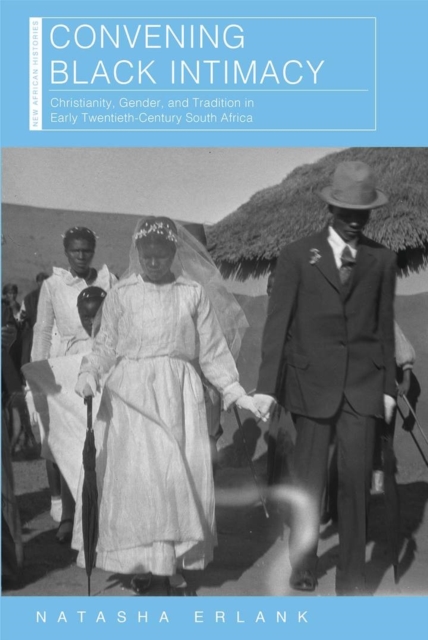
An unprecedented study of how Christianity reshaped Black South Africans' ideas about gender, sexuality, marriage, and family during the first half of the twentieth century.
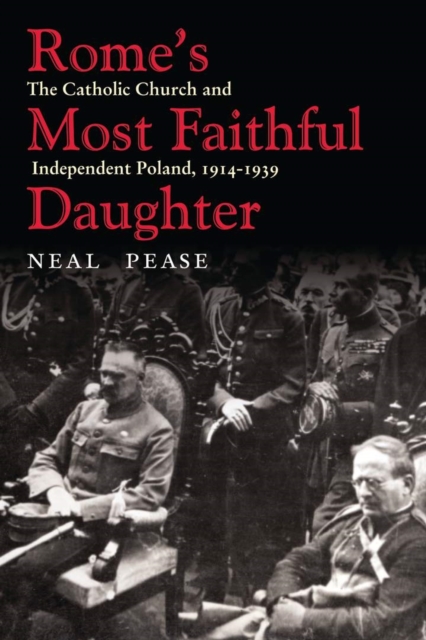
When an independent Poland reappeared on the map of Europe after World War I, it was widely regarded as the most Catholic country on the continent, as "e;Rome's Most Faithful Daughter.
In Jihad in West Africa during the Age of Revolutions, a preeminent historian of Africa argues that scholars of the Americas and the Atlantic world have not given Africa its due consideration as part of either the Atlantic world or the age of revolutions.
In a compelling approach structured as theme and variations, Barbara Sicherman offers insightful profiles of a number of accomplished women born in Americas Gilded Age who lost and found themselves in books, and worked out a new life purpose around them.
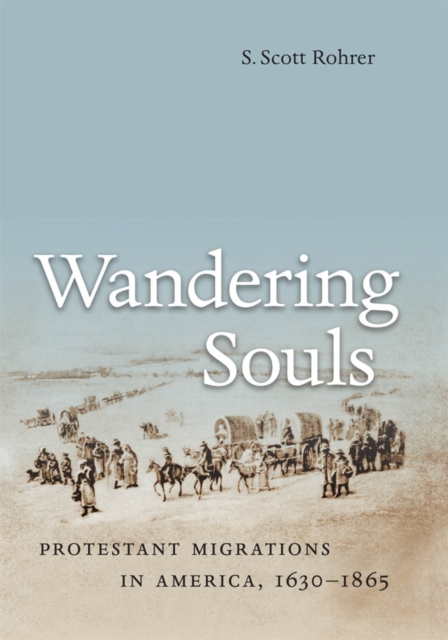
Throughout the Civil War, soldiers and civilians on both sides of the conflict saw the hand of God in the terrible events of the day, but the standard narratives of the period pay scant attention to religion.
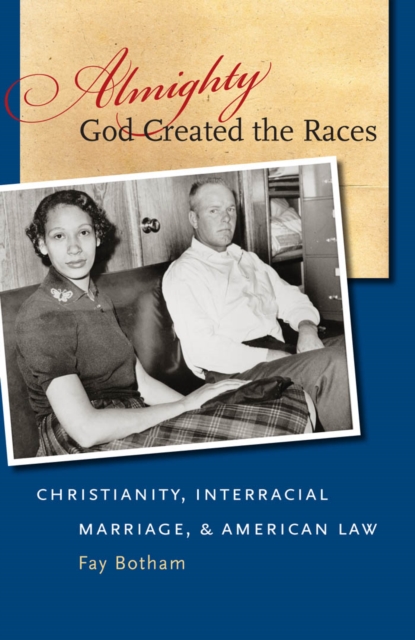
In this fascinating cultural history of interracial marriage and its legal regulation in the United States, Fay Botham argues that religion specifically, Protestant and Catholic beliefs about marriage and race had a significant effect on legal decisions concerning miscegenation and marriage in the century following the Civil War.
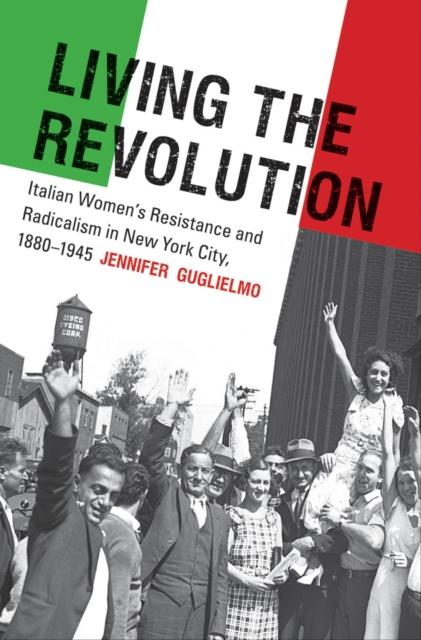
Italians were the largest group of immigrants to the United States at the turn of the twentieth century, and hundreds of thousands led and participated in some of the periods most volatile labor strikes.
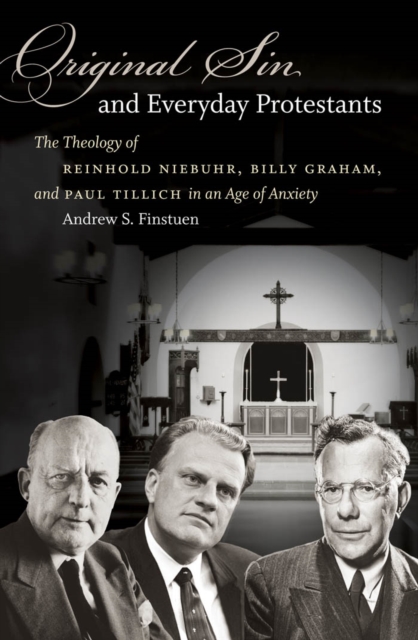
In the years following World War II, American Protestantism experienced tremendous growth, but conventional wisdom holds that midcentury Protestants practiced an optimistic, progressive, complacent, and materialist faith.
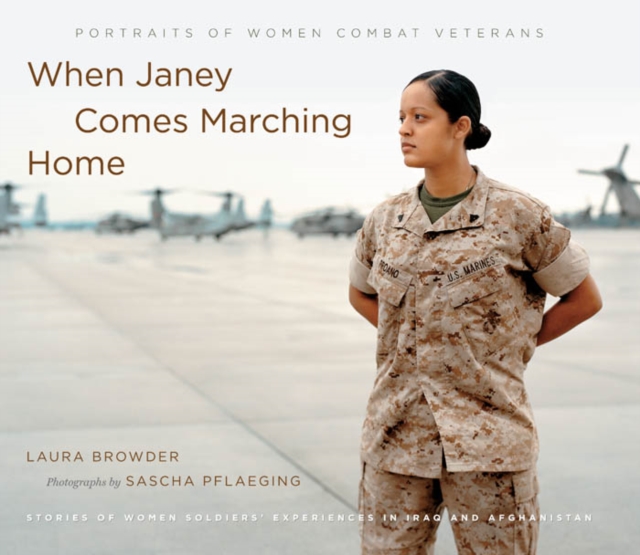
While women are officially barred from combat in the American armed services, in the current war, where there are no front lines, the ban on combat is virtually meaningless.
Drawing on extensive interviews with ninety-four women prisoners, Megan Sweeney examines how incarcerated women use available reading materials to come to terms with their pasts, negotiate their present experiences, and reach toward different futures.
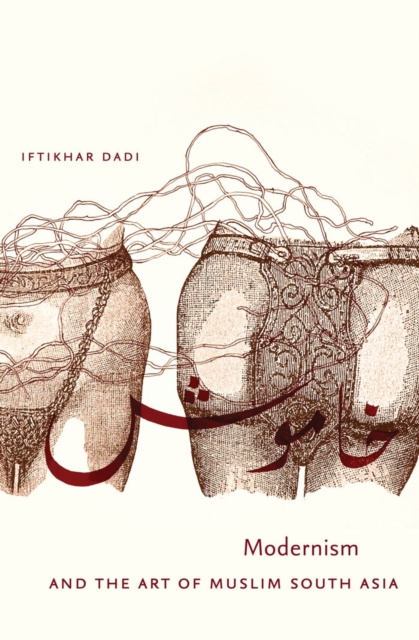
This pioneering work traces the emergence of the modern and contemporary art of Muslim South Asia in relation to transnational modernism and in light of the regions intellectual, cultural, and political developments.
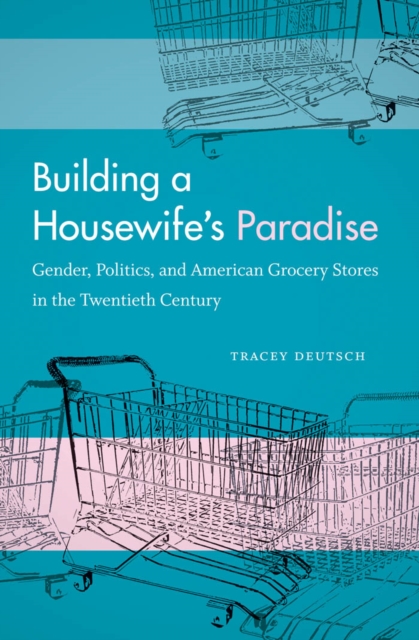
Supermarkets are a mundane feature in the landscape, but as Tracey Deutsch reveals, they represent a major transformation in the ways that Americans feed themselves.
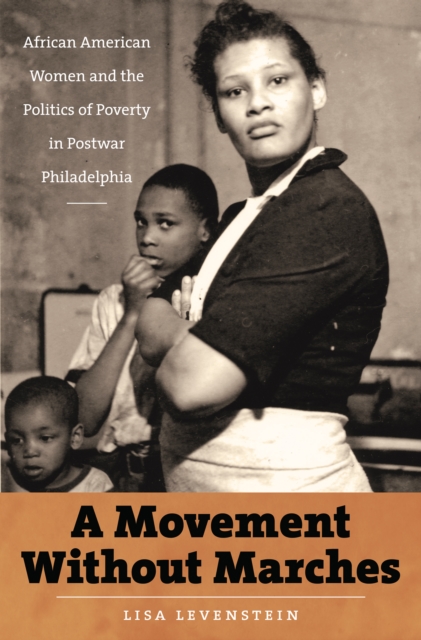
Lisa Levenstein reframes highly charged debates over the origins of chronic African American poverty and the social policies and political struggles that led to the postwar urban crisis.
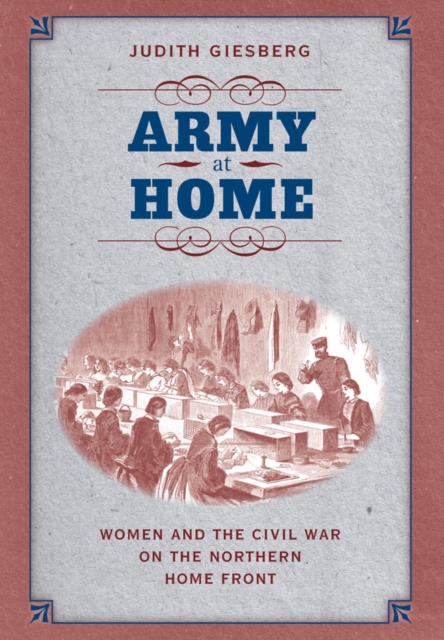
Introducing readers to women whose Civil War experiences have long been ignored, Judith Giesberg examines the lives of working-class women in the North, for whom the home front was a battlefield of its own.
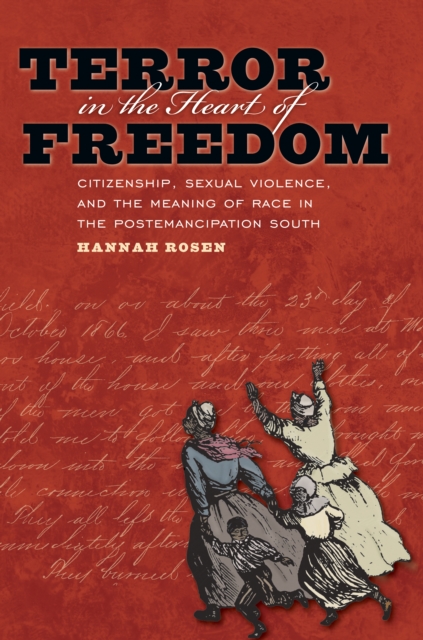
The meaning of race in the antebellum southern United States was anchored in the racial exclusivity of slavery (coded as black) and full citizenship (coded as white as well as male).
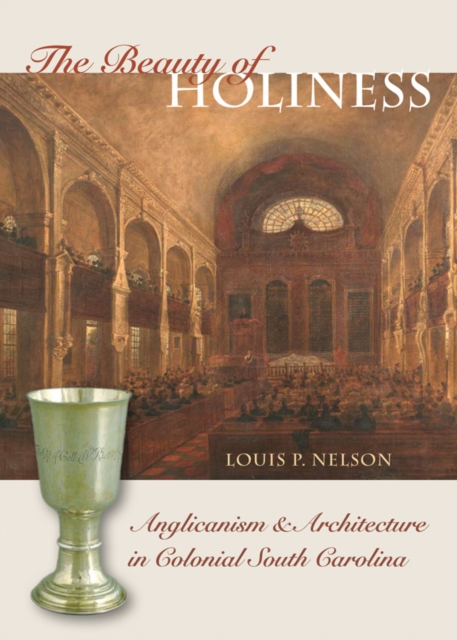
Intermingling architectural, cultural, and religious history, Louis Nelson reads Anglican architecture and decorative arts as documents of eighteenth-century religious practice and belief.
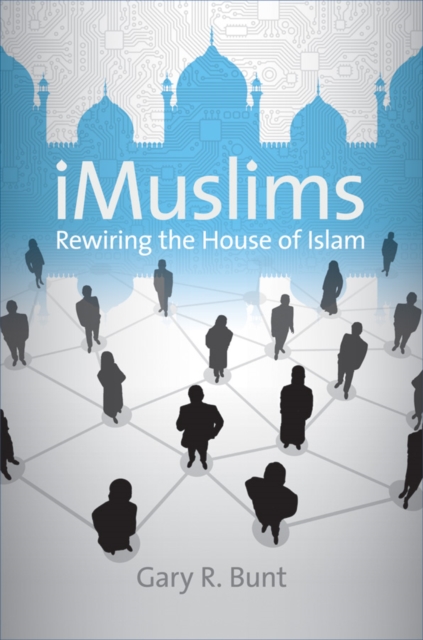
Exploring the increasing impact of the Internet on Muslims around the world, this book sheds new light on the nature of contemporary Islamic discourse, identity, and community.
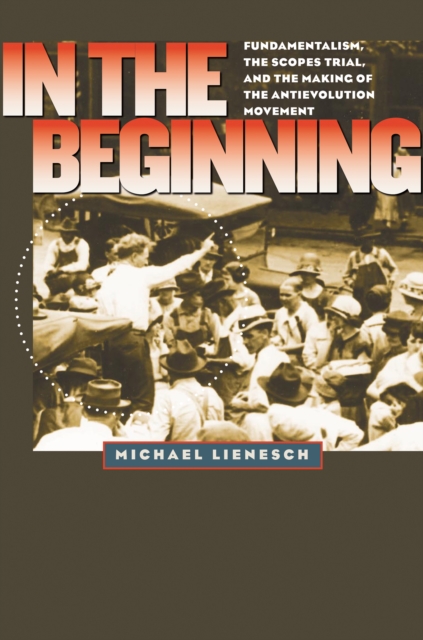
The current controversy over teaching evolution in the public schools has grabbed front-page headlines and topped news broadcasts all across the United States.
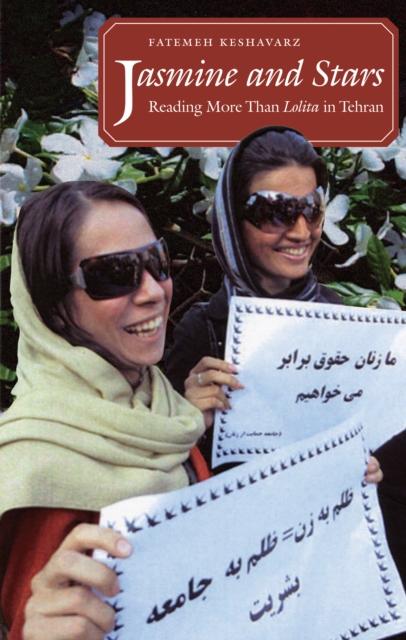
In a direct, frank, and intimate exploration of Iranian literature and society, scholar, teacher, and poet Fatemeh Keshavarz challenges popular perceptions of Iran as a society bereft of vitality and joy.
In this study of devotional hagiographical texts and contemporary ritual performances of the Shi'a of Hyderabad, India, Karen Ruffle demonstrates how traditions of sainthood and localized cultural values shape gender roles.