The author argues that Foucaults archaeology is an attempt to separate historical and philosophical analysis from the evolutionary model of nineteenth-century biology and to establish a new form of social thought based on principles similar to field theory in twentieth-century physics.
Since Princeton College and Princeton Seminary were major radii of Realist influence, the conservative Presbyterianism headquartered there is an ideal choice for a case study in the American impact of Baconianism.
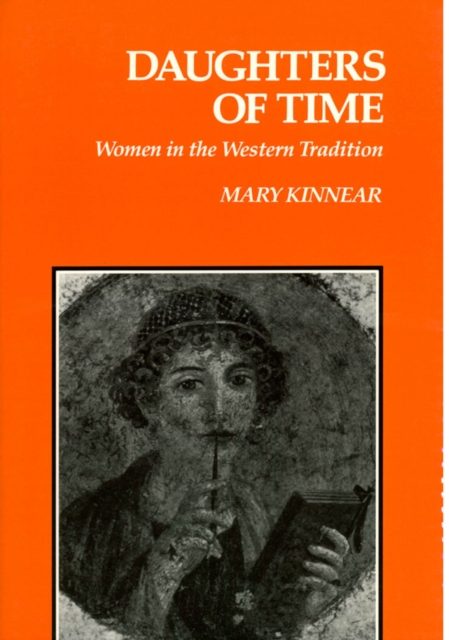
Daughters of Time: Women in the Western Tradition by Mary Kinnear offers a sweeping and insightful exploration of women's roles, identities, and achievements throughout the history of Western civilization.
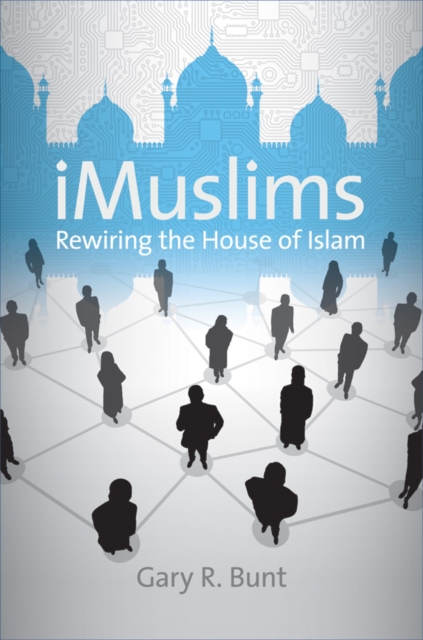
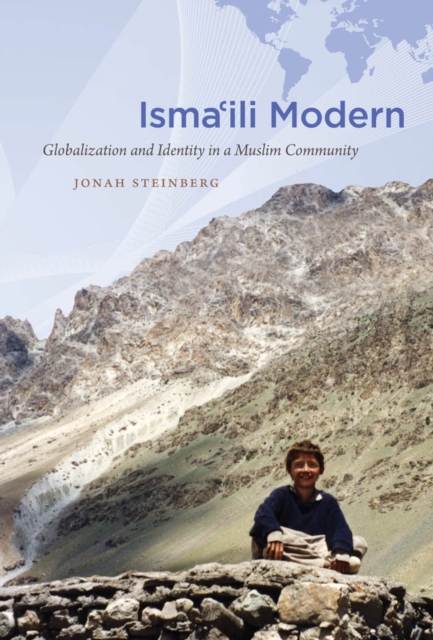
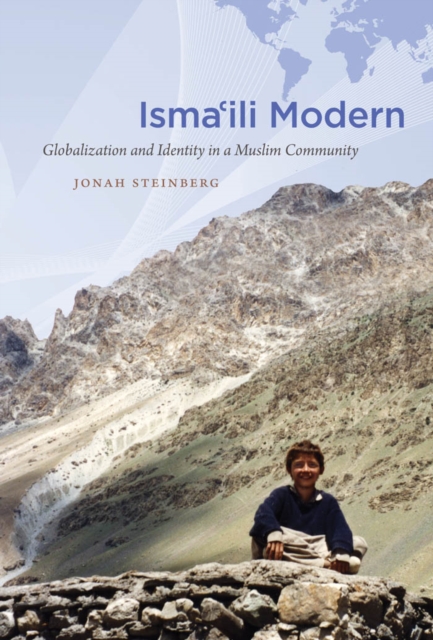
Exploring the increasing impact of the Internet on Muslims around the world, this book sheds new light on the nature of contemporary Islamic discourse, identity, and community.
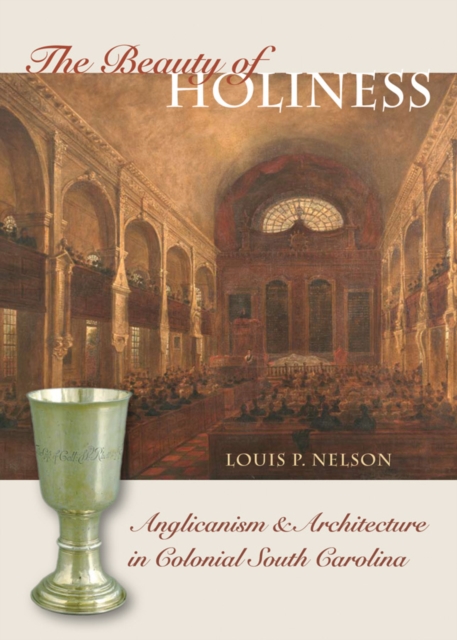
Intermingling architectural, cultural, and religious history, Louis Nelson reads Anglican architecture and decorative arts as documents of eighteenth-century religious practice and belief.
Throughout the Civil War, soldiers and civilians on both sides of the conflict saw the hand of God in the terrible events of the day, but the standard narratives of the period pay scant attention to religion.
The overall rate of incarceration in the United States has been on the rise since 1970s, skyrocketing during Ronald Reagans presidency, and recently reaching unprecedented highs.
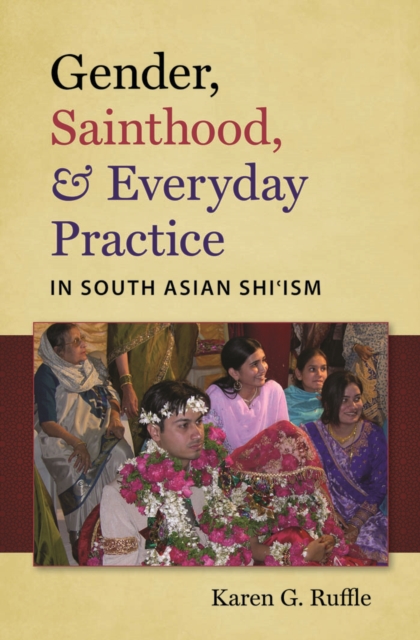
In this study of devotional hagiographical texts and contemporary ritual performances of the Shi'a of Hyderabad, India, Karen Ruffle demonstrates how traditions of sainthood and localized cultural values shape gender roles.
Thirteenth-century Sufi poet, mystic, and legal scholar Muhyi al-Din ibn al-'Arabi gave deep and sustained attention to gender as integral to questions of human existence and moral personhood.
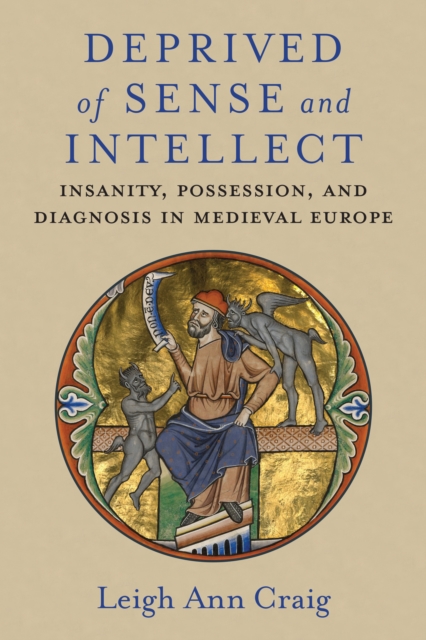
Medieval saints were thought to be able to provide miraculous cures for a wide variety of illnesses, and about one tenth of their miracles involved the restoration of sanity to those who had lost their minds.
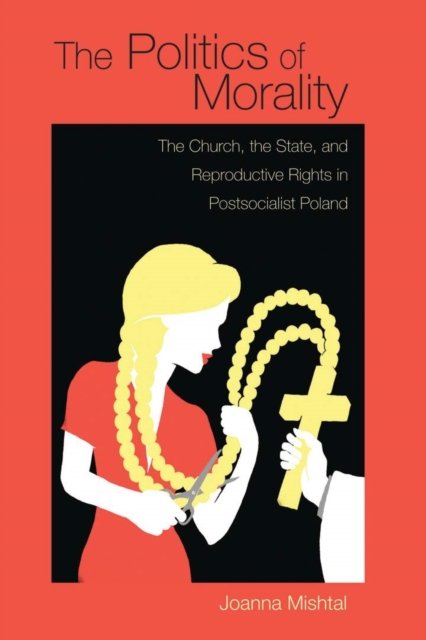
After the fall of the state socialist regime and the end of martial law in 1989, Polish society experienced both a sense of relief from the tyranny of Soviet control and an expectation that democracy would bring freedom.
This English translation of Gebser's major work, Ursprung und Gegenwart (Stuttgart, Deutsche Verlag, 1966), offers certain fundamental insights which should be beneficial to any sensitive scientist and makes it available to the English-speaking world for the recognition it deserves.
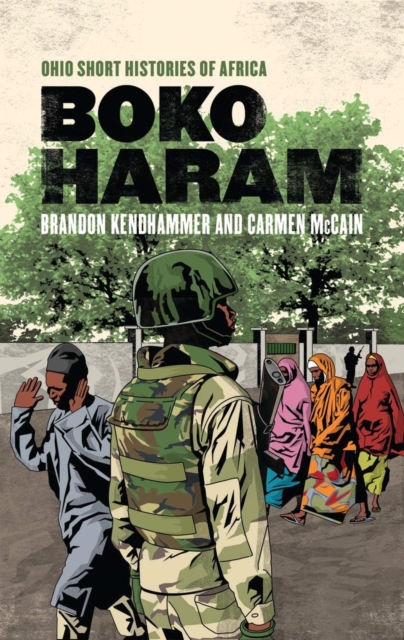
From its small-time origins in the early 2000s to its transformation into one of the world's most-recognized terrorist groups, this remarkable short book tells the story of Boko Haram's bloody, decade-long war in northeastern Nigeria.
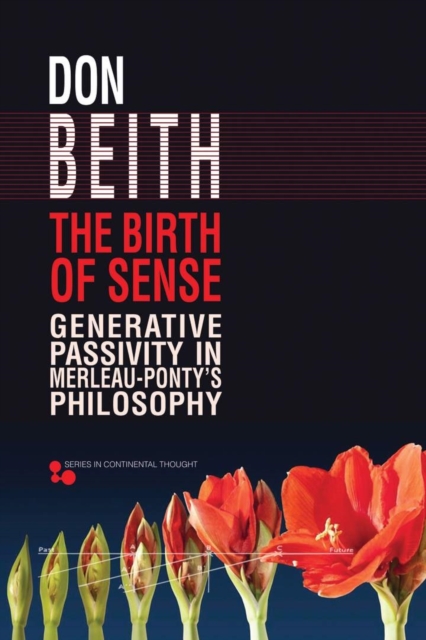
In The Birth of Sense, Don Beith proposes a new concept of generative passivity, the idea that our organic, psychological, and social activities take time to develop into sense.
In The Crisis of Meaning and the Life-World, Lubica Ucnik examines the existential conflict that formed the focus of Edmund Husserl's final work, which she argues is very much with us today: how to reconcile scientific rationality with the meaning of human existence.
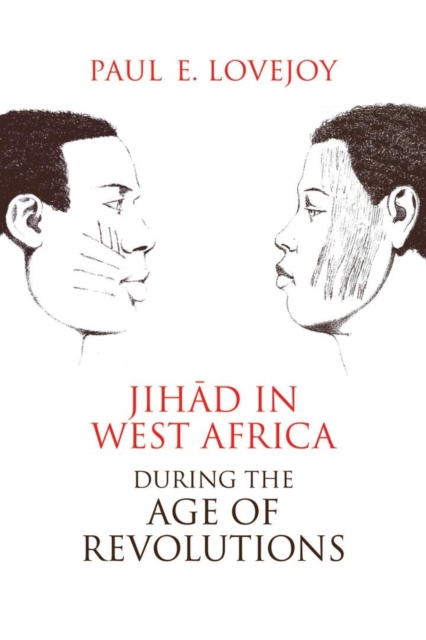
In Jihad in West Africa during the Age of Revolutions, a preeminent historian of Africa argues that scholars of the Americas and the Atlantic world have not given Africa its due consideration as part of either the Atlantic world or the age of revolutions.
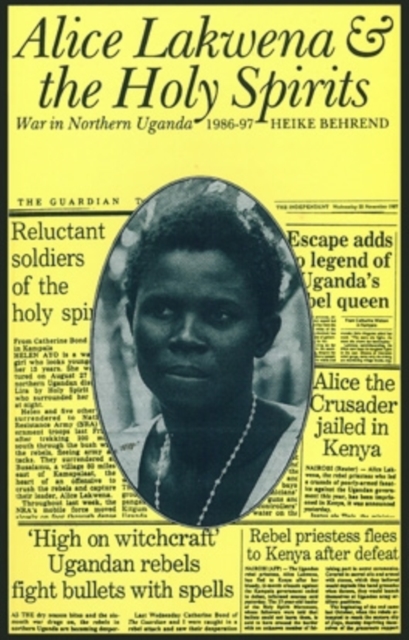
In August 1986, Alice Auma, a young Acholi woman in northern Uganda, proclaiming herself under the orders of a Christian spirit named Lakwena, raised an army called the "e;Holy Spirit Mobile Forces.
For more than two thousand years, philosophers and theologians have wrestled with the irreconcilable opposition between Greek rationality (Athens) and biblical revelation (Jerusalem).
Phenomenology has played a decisive role in the emergence of the discourse of place, now indispensable to many disciplines in the humanities and social sciences, and the contribution of Merleau-Ponty's thought to architectural theory and practice is well established.
The Gender of Piety is an intimate history of the Brethren in Christ Church in Zimbabwe, or BICC, as related through six individual life histories that extend from the early colonial years through the first decade after independence.
This collection is the first extended investigation of the relation between time and memory in Maurice Merleau-Ponty's thought as a whole and the first to explore in depth the significance of his concept of institution.
Sierra Leone's unique history, especially in the development and consolidation of British colonialism in West Africa, has made it an important site of historical investigation since the 1950s.
Edmund Husserl, founder of the phenomenological movement, is usually read as an idealist in his metaphysics and an instrumentalist in his philosophy of science.
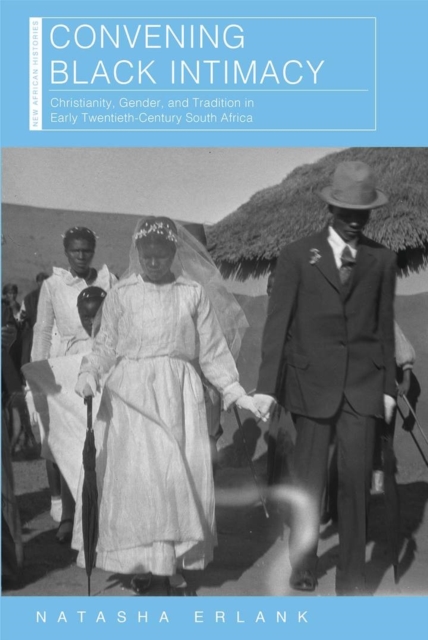
An unprecedented study of how Christianity reshaped Black South Africans' ideas about gender, sexuality, marriage, and family during the first half of the twentieth century.
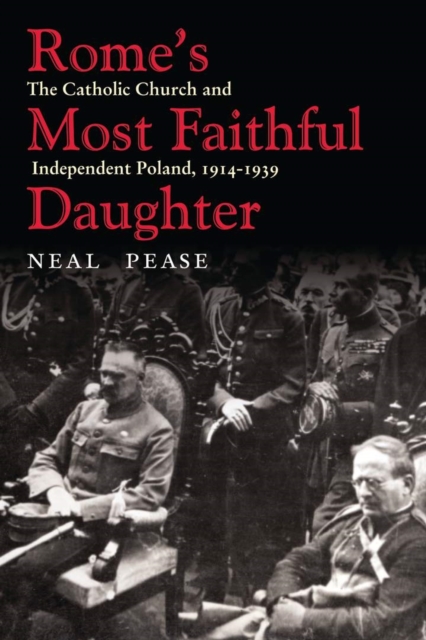
When an independent Poland reappeared on the map of Europe after World War I, it was widely regarded as the most Catholic country on the continent, as "e;Rome's Most Faithful Daughter.
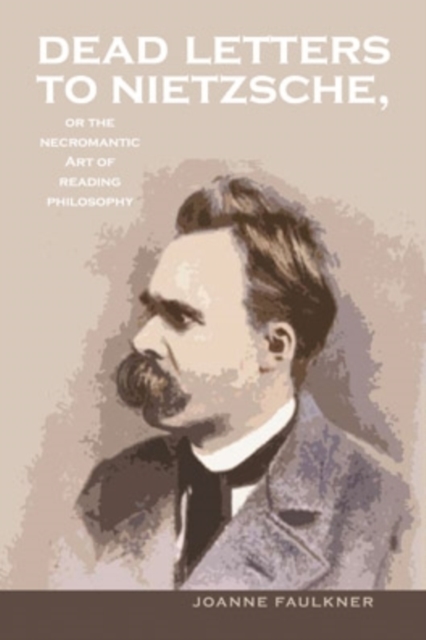
Dead Letters to Nietzsche examines how writing shapes subjectivity through the example of Nietzsche's reception by his readers, including Stanley Rosen, David Farrell Krell, Georges Bataille, Laurence Lampert, Pierre Klossowski, and Sarah Kofman.
Classical phenomenology has suffered from an individualist bias and a neglect of the communicative structure of experience, especially the phenomenological importance of the addressee, the inseparability of I and You, and the nature of the alternation between them.
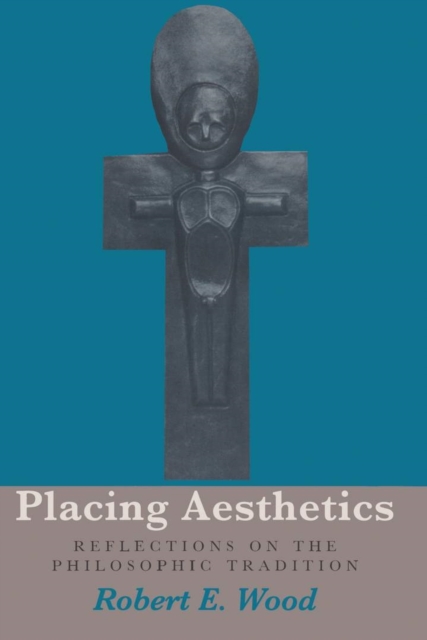
Examining select high points in the speculative tradition from Plato and Aristotle through the Middle Ages and German tradition to Dewey and Heidegger, Placing Aesthetics seeks to locate the aesthetic concern within the larger framework of each thinker's philosophy.
In Jihad in West Africa during the Age of Revolutions, a preeminent historian of Africa argues that scholars of the Americas and the Atlantic world have not given Africa its due consideration as part of either the Atlantic world or the age of revolutions.
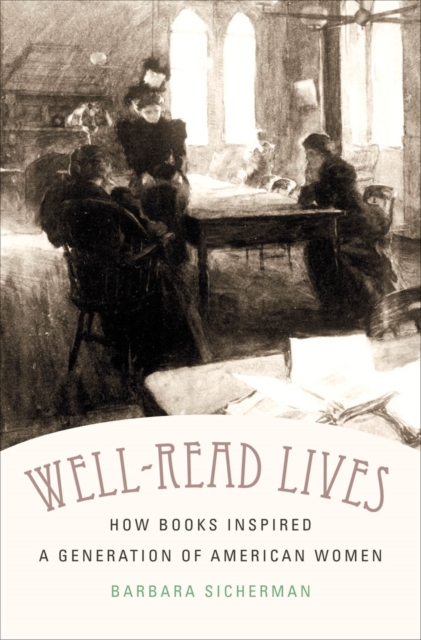
In a compelling approach structured as theme and variations, Barbara Sicherman offers insightful profiles of a number of accomplished women born in Americas Gilded Age who lost and found themselves in books, and worked out a new life purpose around them.
Throughout the Civil War, soldiers and civilians on both sides of the conflict saw the hand of God in the terrible events of the day, but the standard narratives of the period pay scant attention to religion.