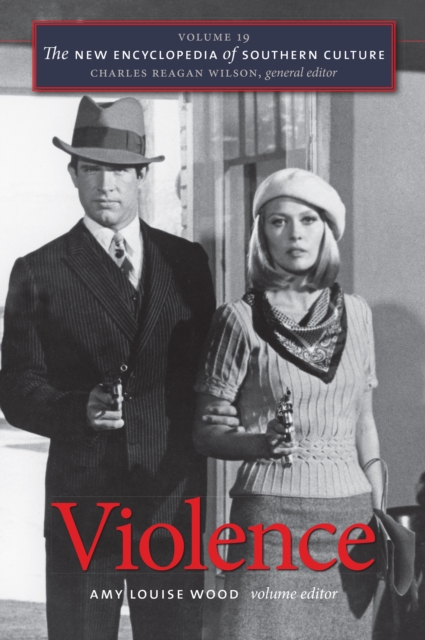
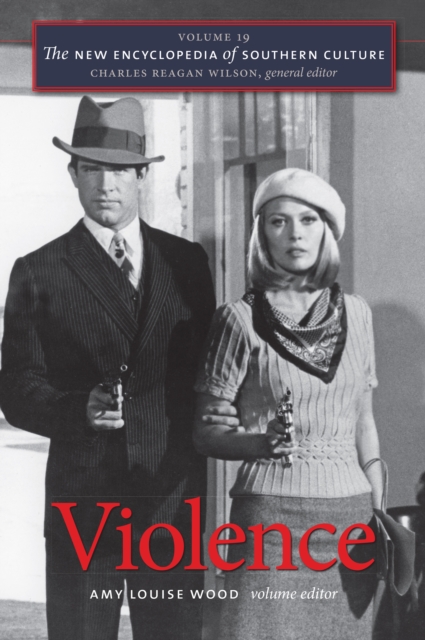
Much of the violence that has been associated with the United States has had particular salience for the South, from its high homicide rates, or its bloody history of racial conflict, to southerners' popular attachment to guns and traditional support for capital punishment.
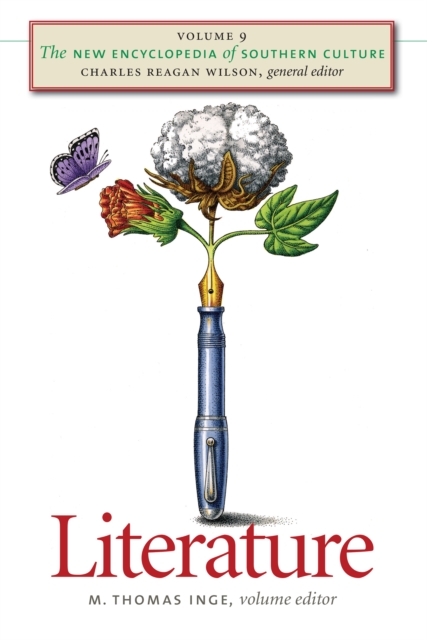
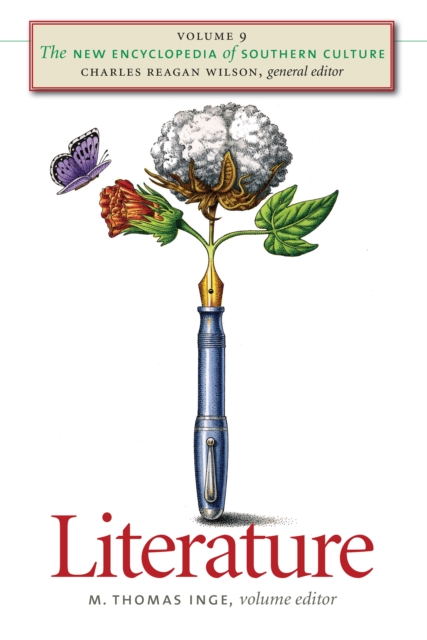
Offering a comprehensive view of the Souths literary landscape, past and present, this volume of The New Encyclopedia of Southern Culture celebrates the regions ever-flourishing literary culture and recognizes the ongoing evolution of the southern literary canon.
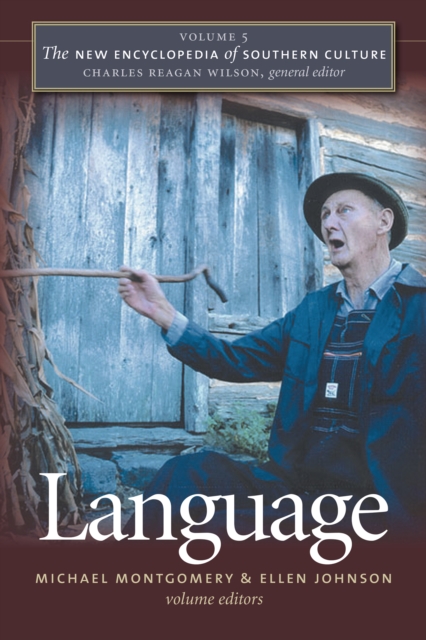
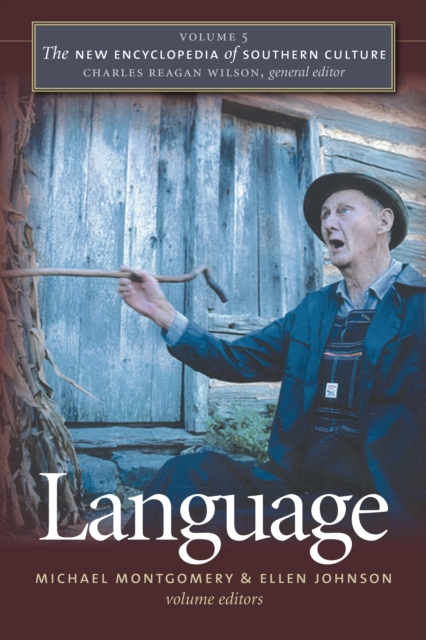
The fifth volume of The New Encyclopedia of Southern Culture explores language and dialect in the South, including English and its numerous regional variants, Native American languages, and other non-English languages spoken over time by the regions immigrant communities.
Volume 10 of The New Encyclopedia of Southern Culture combines two of the sections from the original edition, adding extensive updates and 53 entirely new articles.
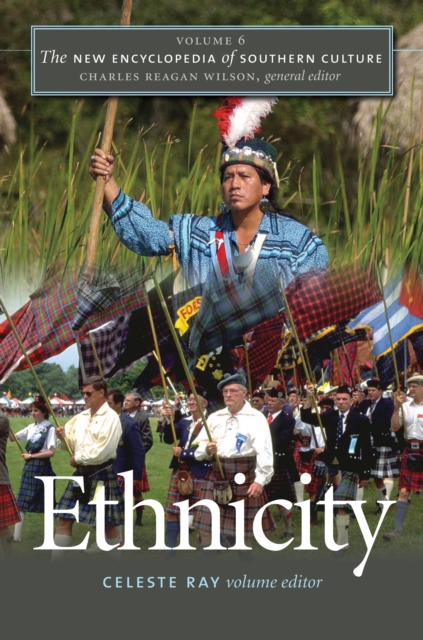
Transcending familiar categories of black and white, this volume of The New Encyclopedia of Southern Culture complicates and enriches our understanding of southernness by identifying the array of cultures that combined to shape the South.
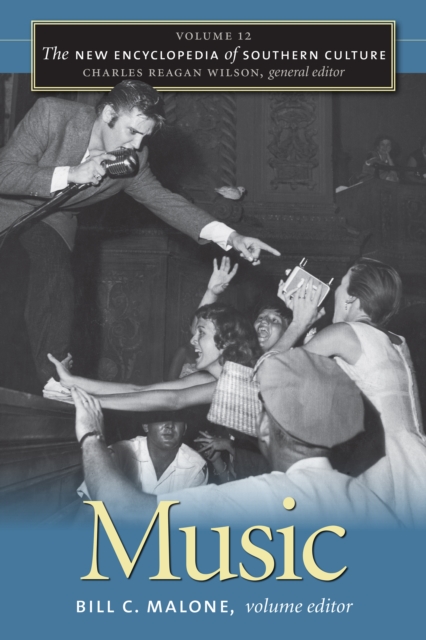
Southern music has flourished as a meeting ground for the traditions of West African and European peoples in the region, leading to the evolution of various traditional folk genres, bluegrass, country, jazz, gospel, rock, blues, and southern hip-hop.
This volume of The New Encyclopedia of Southern Culture reflects the dramatic increase in research on the topic of gender over the past thirty years, revealing that even the most familiar subjects take on new significance when viewed through the lens of gender.
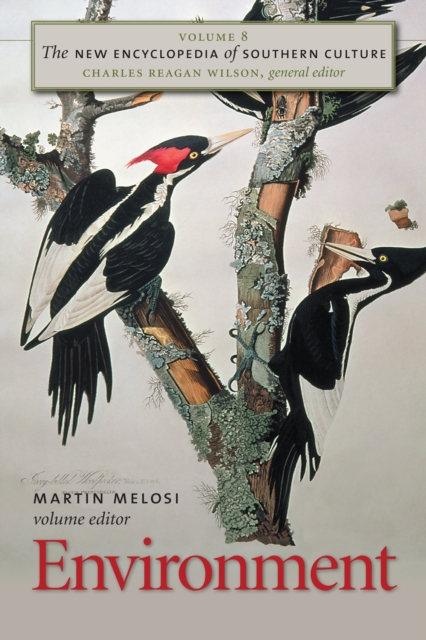
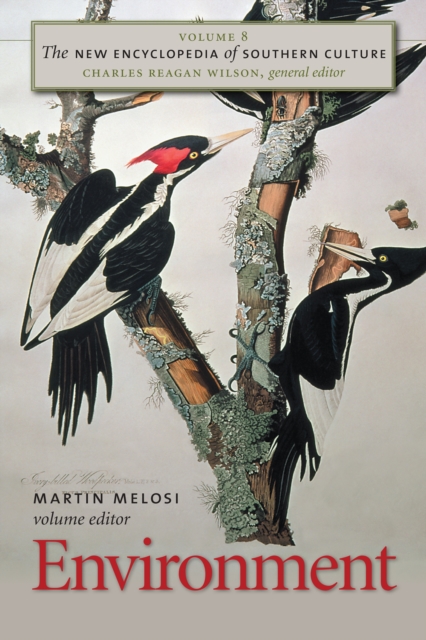
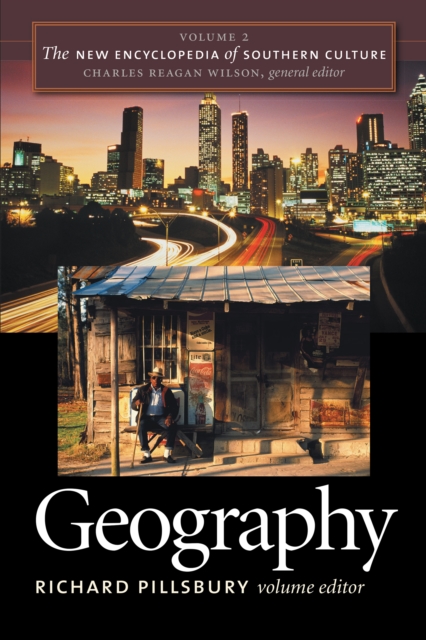
From semitropical coastal areas to high mountain terrain, from swampy lowlands to modern cities, the environment holds a fundamental importance in shaping the character of the American South.
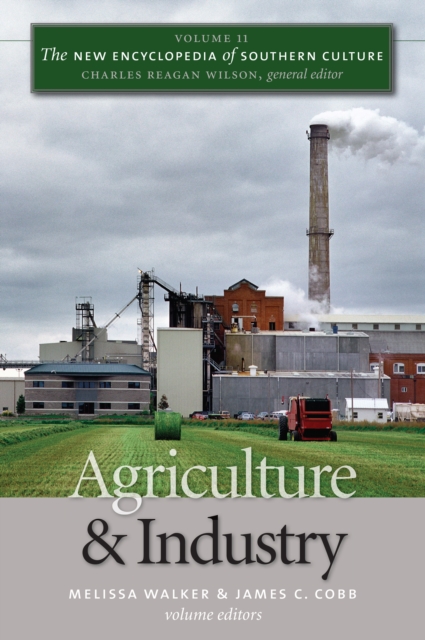
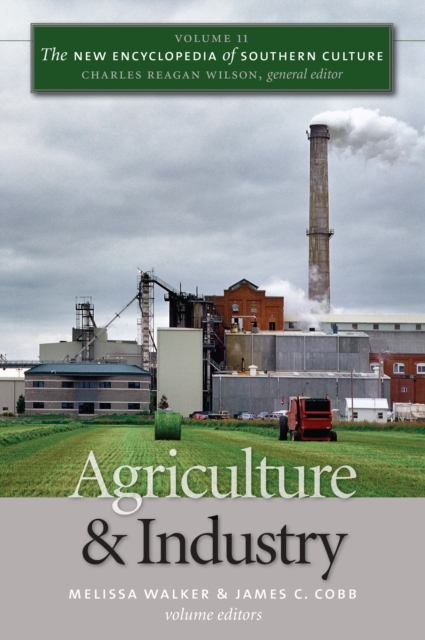
Volume 11 of The New Encyclopedia of Southern Culture examines the economic culture of the South by pairing two categories that account for the ways many southerners have made their living.
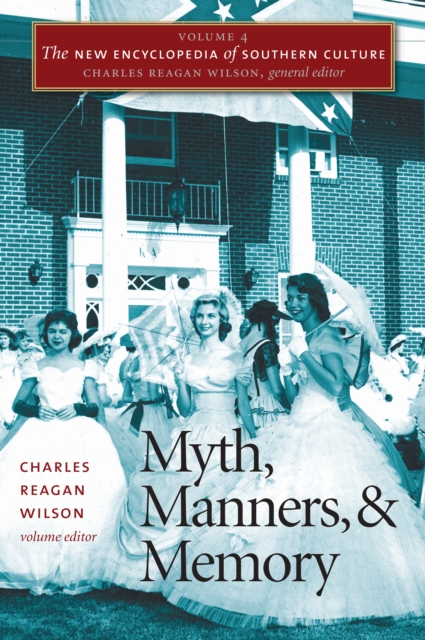
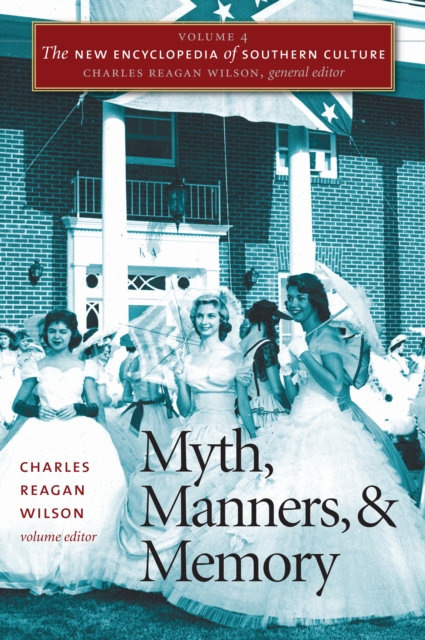
This volume of The New Encyclopedia of Southern Culture addresses the cultural, social, and intellectual terrain of myth, manners, and historical memory in the American South.
What southerners do, where they go, and what they expect to accomplish in their spare time, their leisure, reveals much about their cultural values, class and racial similarities and differences, and historical perspectives.
The fifth volume of The New Encyclopedia of Southern Culture explores language and dialect in the South, including English and its numerous regional variants, Native American languages, and other non-English languages spoken over time by the region's immigrant communities.
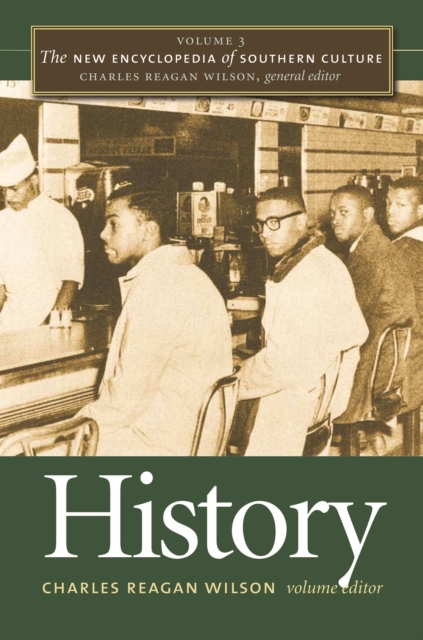
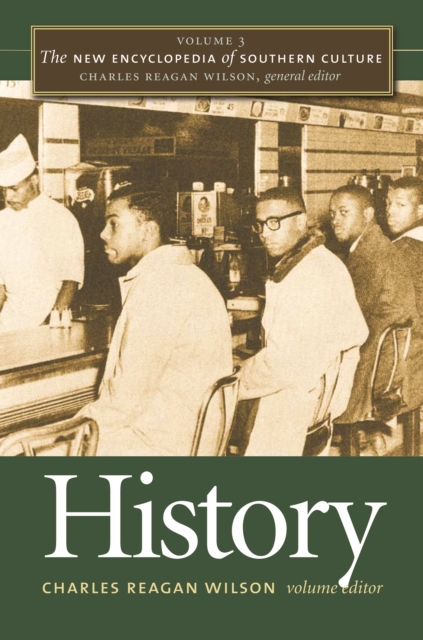
Providing a chronological and interpretive spine to the twenty-four volumes of The New Encyclopedia of Southern Culture, this volume broadly surveys history in the American South from the Paleoindian period (approximately 8000 B.
What southerners do, where they go, and what they expect to accomplish in their spare time, their leisure, reveals much about their cultural values, class and racial similarities and differences, and historical perspectives.
Offering a comprehensive view of the Souths literary landscape, past and present, this volume of The New Encyclopedia of Southern Culture celebrates the regions ever-flourishing literary culture and recognizes the ongoing evolution of the southern literary canon.
From semitropical coastal areas to high mountain terrain, from swampy lowlands to modern cities, the environment holds a fundamental importance in shaping the character of the American South.
Volume 11 of The New Encyclopedia of Southern Culture examines the economic culture of the South by pairing two categories that account for the ways many southerners have made their living.
Transcending familiar categories of black and white, this volume of The New Encyclopedia of Southern Culture complicates and enriches our understanding of southernness by identifying the array of cultures that combined to shape the South.
This volume of The New Encyclopedia of Southern Culture reflects the dramatic increase in research on the topic of gender over the past thirty years, revealing that even the most familiar subjects take on new significance when viewed through the lens of gender.
Southern music has flourished as a meeting ground for the traditions of West African and European peoples in the region, leading to the evolution of various traditional folk genres, bluegrass, country, jazz, gospel, rock, blues, and southern hip-hop.
This volume of The New Encyclopedia of Southern Culture addresses the cultural, social, and intellectual terrain of myth, manners, and historical memory in the American South.
Offering a comprehensive view of the Souths literary landscape, past and present, this volume of The New Encyclopedia of Southern Culture celebrates the regions ever-flourishing literary culture and recognizes the ongoing evolution of the southern literary canon.
Volume 10 of The New Encyclopedia of Southern Culture combines two of the sections from the original edition, adding extensive updates and 53 entirely new articles.
What southerners do, where they go, and what they expect to accomplish in their spare time, their leisure, reveals much about their cultural values, class and racial similarities and differences, and historical perspectives.
Volume 11 of The New Encyclopedia of Southern Culture examines the economic culture of the South by pairing two categories that account for the ways many southerners have made their living.
This volume of The New Encyclopedia of Southern Culture addresses the cultural, social, and intellectual terrain of myth, manners, and historical memory in the American South.
Southern music has flourished as a meeting ground for the traditions of West African and European peoples in the region, leading to the evolution of various traditional folk genres, bluegrass, country, jazz, gospel, rock, blues, and southern hip-hop.
The fifth volume of The New Encyclopedia of Southern Culture explores language and dialect in the South, including English and its numerous regional variants, Native American languages, and other non-English languages spoken over time by the regions immigrant communities.
Transcending familiar categories of "e;black"e; and "e;white,"e; this volume of The New Encyclopedia of Southern Culture complicates and enriches our understanding of "e;southernness"e; by identifying the array of cultures that combined to shape the South.
Providing a chronological and interpretive spine to the twenty-four volumes of The New Encyclopedia of Southern Culture, this volume broadly surveys history in the American South from the Paleoindian period (approximately 8000 B.
From semitropical coastal areas to high mountain terrain, from swampy lowlands to modern cities, the environment holds a fundamental importance in shaping the character of the American South.
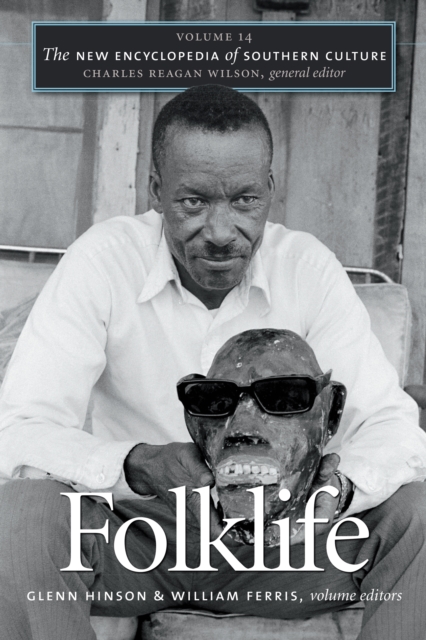
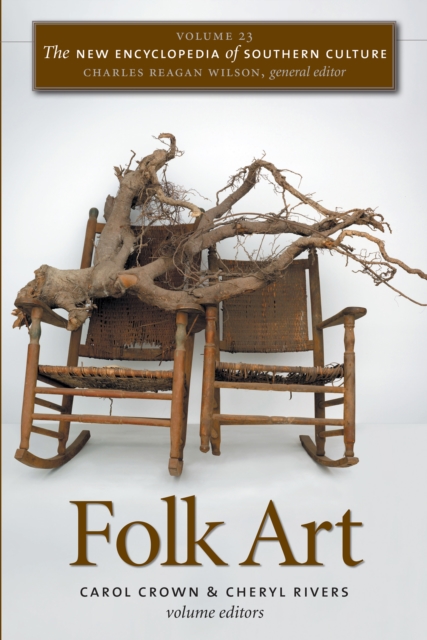
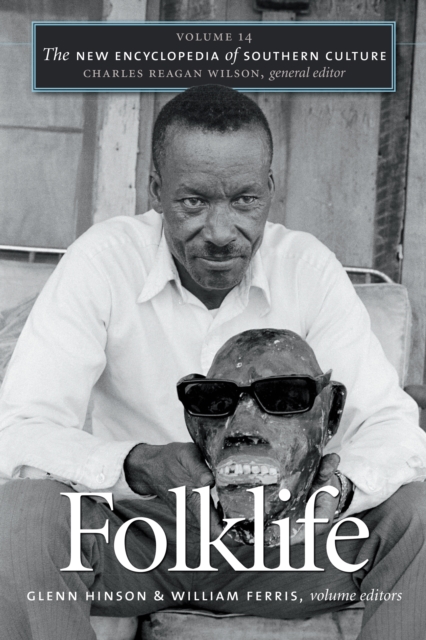
Folk art is one of the American South's most significant areas of creative achievement, and this comprehensive yet accessible reference details that achievement from the sixteenth century through the present.
This volume of The New Encyclopedia of Southern Culture offers a current and authoritative reference to urbanization in the American South from the eighteenth century to the twenty-first, surveying important southern cities individually and examining the various issues that shape patterns of urbanization from a broad regional perspective.
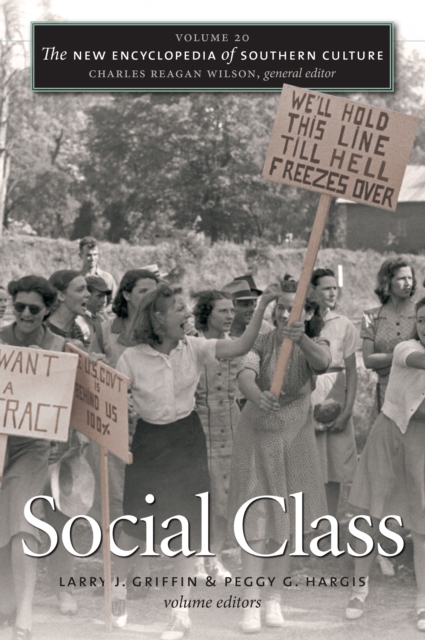
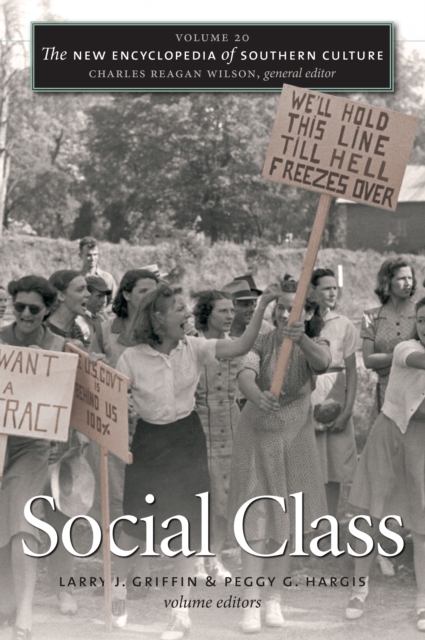
This volume of The New Encyclopedia of Southern Culture offers a timely, authoritative, and interdisciplinary exploration of issues related to social class in the South from the colonial era to the present.
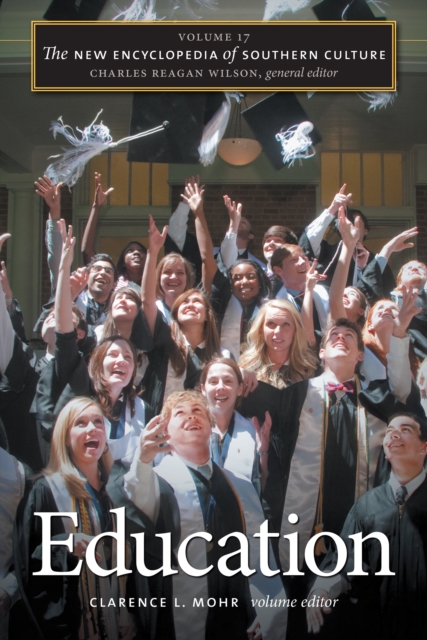
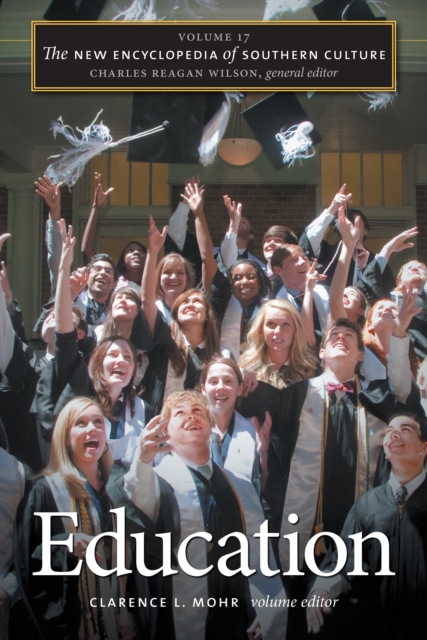
Offering a broad, up-to-date reference to the long history and cultural legacy of education in the American South, this timely volume of The New Encyclopedia of Southern Culture surveys educational developments, practices, institutions, and politics from the colonial era to the present.
Much of the violence that has been associated with the United States has had particular salience for the South, from its high homicide rates, or its bloody history of racial conflict, to southerners' popular attachment to guns and traditional support for capital punishment.
Providing a chronological and interpretive spine to the twenty-four volumes of The New Encyclopedia of Southern Culture, this volume broadly surveys history in the American South from the Paleoindian period (approximately 8000 B.
This volume of The New Encyclopedia of Southern Culture offers a current and authoritative reference to urbanization in the American South from the eighteenth century to the twenty-first, surveying important southern cities individually and examining the various issues that shape patterns of urbanization from a broad regional perspective.
This volume of The New Encyclopedia of Southern Culture offers a timely, authoritative, and interdisciplinary exploration of issues related to social class in the South from the colonial era to the present.
Offering a broad, up-to-date reference to the long history and cultural legacy of education in the American South, this timely volume of The New Encyclopedia of Southern Culture surveys educational developments, practices, institutions, and politics from the colonial era to the present.