This book chronicles the apparent discovery of "e;memory molecules"e; in 1965, the loss of credibility that plagued those findings, and the subsequent triumphant discovery of the neuroactive peptides, including endorphins.
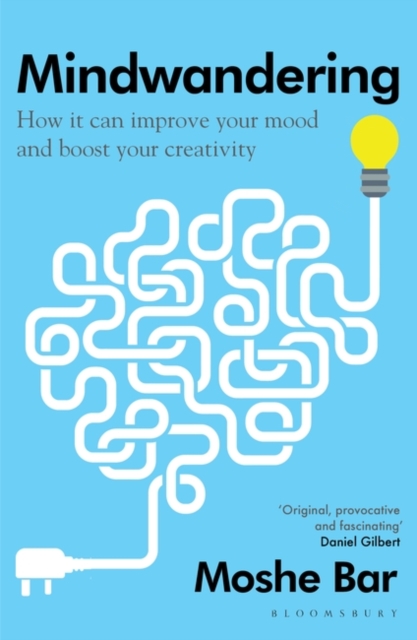
'An original, provocative and fascinating new theory by one of the world's leading neuroscientists about why the mind wanders - and when and why it's good for you' Daniel Gilbert'A gentle and humane book that should be read by everyone interested in the human mind and the human brain' Andy ClarkOur brains are noisy.
'The world's leading expert on habits' - Matthew Syed, bestselling author of Black Box Thinking and Rebel IdeasWhat if you could harness the extraordinary power of your unconscious mind to achieve your goals?
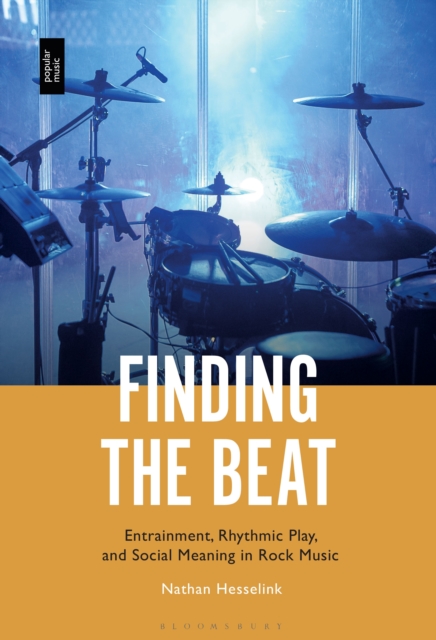
Finding the Beatexplores humankind's ability, propensity, and enjoyment in finding the beat in live and recorded experiences of music-making through the lens of entrainment, the human capacity to perceive a beat and to synchronize to it.
Finding the Beatexplores humankind's ability, propensity, and enjoyment in finding the beat in live and recorded experiences of music-making through the lens of entrainment, the human capacity to perceive a beat and to synchronize to it.
One of the most exciting theories to emerge from cognitive science research over the past few decades has been Douglas Hofstadter's notion of "e;strange loops,"e; from Godel, Escher, Bach (1979).
One of the most exciting theories to emerge from cognitive science research over the past few decades has been Douglas Hofstadter's notion of "e;strange loops,"e; from Godel, Escher, Bach (1979).
Inwiefern hat der Frühaufklärer Spinoza mit seinen Ansätzen zur Ethik, Religion und Spiritualität die neuesten Erkenntnisse der Neurobiologie vorgedacht?
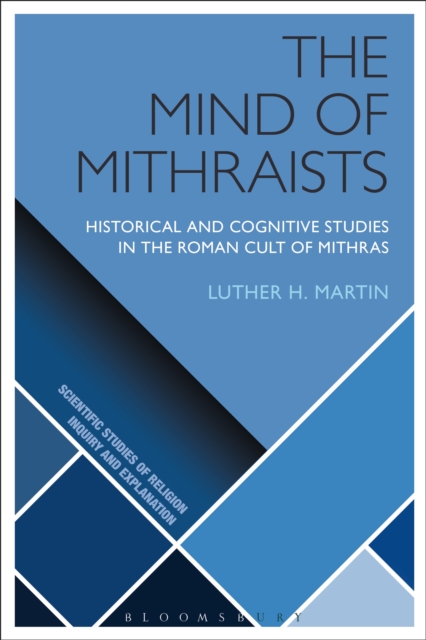
The Roman cult of Mithras was the most widely-dispersed and densely-distributed cult throughout the expanse of the Roman Empire from the end of the first until the fourth century AD, rivaling the early growth and development of Christianity during the same period.
The Roman cult of Mithras was the most widely-dispersed and densely-distributed cult throughout the expanse of the Roman Empire from the end of the first until the fourth century AD, rivaling the early growth and development of Christianity during the same period.
While there have been tremendous advances in our scientific understanding of the brain, this work has been largely academic, and often oriented toward clinical publication.
This new Companion traces the development of cognitive anthropology from its beginnings in the late 1950s to the present, and evaluates future directions of research in the field.
This new Companion traces the development of cognitive anthropology from its beginnings in the late 1950s to the present, and evaluates future directions of research in the field.
'An original, provocative and fascinating new theory by one of the world's leading neuroscientists about why the mind wanders - and when and why it's good for you' Daniel Gilbert
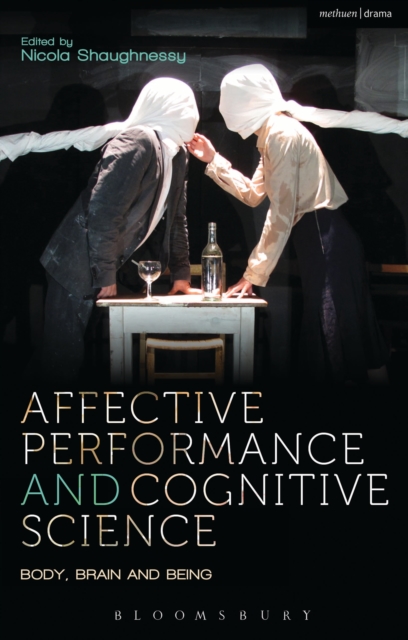
This book explores new developments in the dialogues between science and theatre and offers an introduction to a fast-expanding area of research and practice.
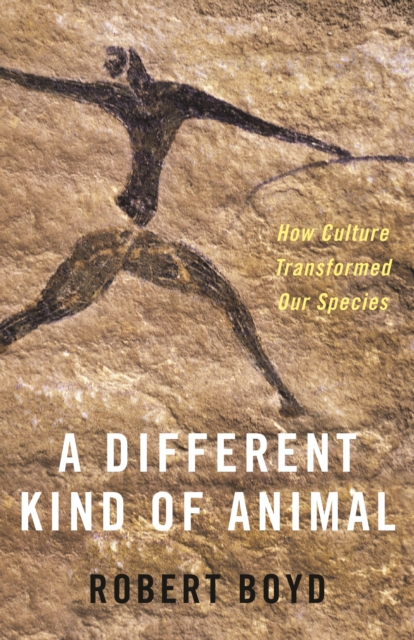
How our ability to learn from each other has been the essential ingredient to our remarkable success as a speciesHuman beings are a very different kind of animal.
A new field of collective intelligence has emerged in the last few years, prompted by a wave of digital technologies that make it possible for organizations and societies to think at large scale.
The human propensity to take an ethical stance toward oneself and others is found in every known society, yet we also know that values taken for granted in one society can contradict those in another.
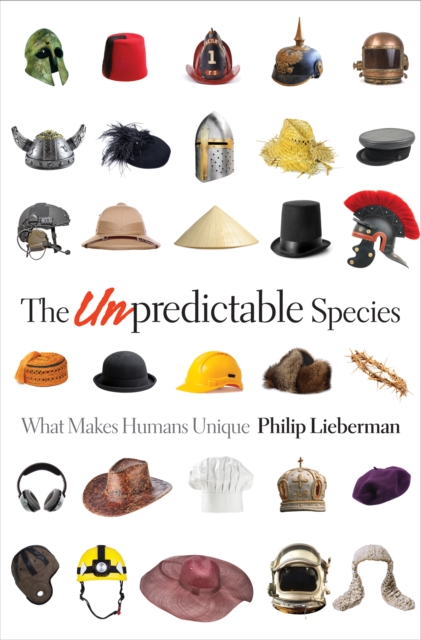
How our brains have evolved so that we control how we think and behaveThe Unpredictable Species argues that the human brain evolved in a way that enhances our cognitive flexibility and capacity for innovation and imitation.
How our stone-age brains made modern society, and why it matters for relationships between men and womenAs countless love songs, movies, and self-help books attest, men and women have long sought different things.
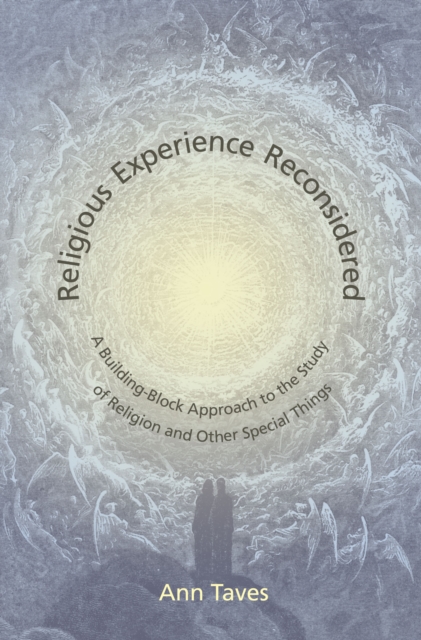
How the sciences of the mind can advance the study of religionThe essence of religion was once widely thought to be a unique form of experience that could not be explained in neurological, psychological, or sociological terms.
The essays gathered here demonstrate and justify the excitement and promise of cognitive historicism, providing a lively introduction to this new and quickly growing area of literary studies.
The essays gathered here demonstrate and justify the excitement and promise of cognitive historicism, providing a lively introduction to this new and quickly growing area of literary studies.
In this new study, author David Paxman demonstrates that ordinary spatial concepts, together with the changing sense of the earth's space brought about by exploration, navigation, and mapping exerted a strong influence on linguistic thought.
In this new study, author David Paxman demonstrates that ordinary spatial concepts, together with the changing sense of the earth's space brought about by exploration, navigation, and mapping exerted a strong influence on linguistic thought.
The scientific analysis of design thinking continues to burgeon and is of considerable interest to academic scholars and design practitioners across many disciplines.
The scientific analysis of design thinking continues to burgeon and is of considerable interest to academic scholars and design practitioners across many disciplines.
This edited volume discusses mediatized religion in Asia, examining the intensity and variety of constructions and processes related to digital media and religion in Asia today.
This edited volume discusses mediatized religion in Asia, examining the intensity and variety of constructions and processes related to digital media and religion in Asia today.