Interdisciplinary Collaboration calls attention to a serious need to study the problems and processes of interdisciplinary inquiry, to reflect on the current state of scientific knowledge regarding interdisciplinary collaboration, and to encourage research that studies interdisciplinary cognition in relation to the ecological contexts in which it occurs.
Interdisciplinary Collaboration calls attention to a serious need to study the problems and processes of interdisciplinary inquiry, to reflect on the current state of scientific knowledge regarding interdisciplinary collaboration, and to encourage research that studies interdisciplinary cognition in relation to the ecological contexts in which it occurs.
At the turn of the 21st century, the most valuable commodity in society is knowledge--particularly new knowledge that may give a culture, company, or laboratory an adaptive advantage.
At the turn of the 21st century, the most valuable commodity in society is knowledge--particularly new knowledge that may give a culture, company, or laboratory an adaptive advantage.
Despite recent strides in neuroscience and psychology that have deepened understanding of the brain, consciousness remains one of the greatest philosophical and scientific puzzles.
Despite recent strides in neuroscience and psychology that have deepened understanding of the brain, consciousness remains one of the greatest philosophical and scientific puzzles.
Viewing the human brain as "e;the most complex and powerful computer known,"e; with a memory capacity and computational power exceeding the largest mainframe systems, Professor Baron sets the groundwork for understanding the computational structure and organization of the human brain.
Viewing the human brain as "e;the most complex and powerful computer known,"e; with a memory capacity and computational power exceeding the largest mainframe systems, Professor Baron sets the groundwork for understanding the computational structure and organization of the human brain.
The Nature of Concepts examines a central issue for all the main disciplines in cognitive science: how the human mind creates and passes on to other human minds a concept.
The Nature of Concepts examines a central issue for all the main disciplines in cognitive science: how the human mind creates and passes on to other human minds a concept.
Given Ulysses' perhaps unparalleled attention to the operations of the human mind, it is unsurprising that critics have explored the work's psychology.
Given Ulysses' perhaps unparalleled attention to the operations of the human mind, it is unsurprising that critics have explored the work's psychology.
Sustainability is a word that means different things depending on who is using it, thus underlining the potential problems involved in experts from different fields teaming up to tackle sustainability problems.
Sustainability is a word that means different things depending on who is using it, thus underlining the potential problems involved in experts from different fields teaming up to tackle sustainability problems.
A milestone in the study of value in human life and thought, written by one of the world s preeminent living philosophers The Moral Powers: A Study of Human Nature is a philosophical investigation of the moral potentialities and sensibilities of human beings, of the meaning of human life, and of the place of death in life.
A milestone in the study of value in human life and thought, written by one of the world s preeminent living philosophers The Moral Powers: A Study of Human Nature is a philosophical investigation of the moral potentialities and sensibilities of human beings, of the meaning of human life, and of the place of death in life.
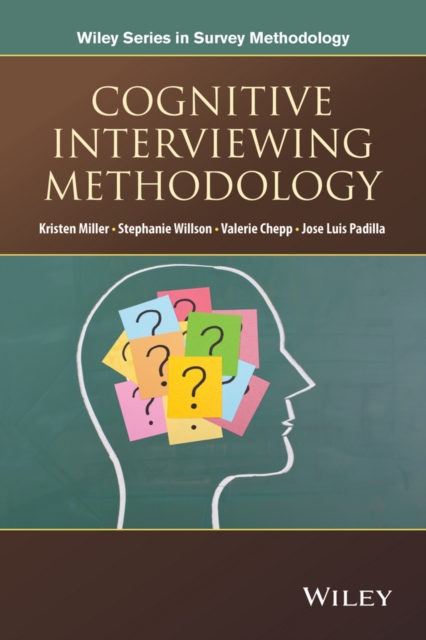
AN INTERDISCIPLINARY PERSPECTIVE TO THE EVOLUTION OF THEORY AND METHODOLOGY WITHIN COGNITIVE INTERVIEW PROCESSESProviding a comprehensive approach to cognitive interviewing in the field of survey methodology, Cognitive Interviewing Methodology delivers a clear guide that draws upon modern, cutting-edge research from a variety of fields.
AN INTERDISCIPLINARY PERSPECTIVE TO THE EVOLUTION OF THEORY AND METHODOLOGY WITHIN COGNITIVE INTERVIEW PROCESSESProviding a comprehensive approach to cognitive interviewing in the field of survey methodology, Cognitive Interviewing Methodology delivers a clear guide that draws upon modern, cutting-edge research from a variety of fields.
This volume explores the latest techniques used to study the human brain towards understanding Alzheimer's Disease and related neurodegenerative disorders.
This book encourages cross-disciplinary dialogues toward introducing a new framework for neuro-narratology, expanding on established theory within cognitive narratology to more fully encompass the different faculties involved in the reading process.
This book encourages cross-disciplinary dialogues toward introducing a new framework for neuro-narratology, expanding on established theory within cognitive narratology to more fully encompass the different faculties involved in the reading process.
Bringing together diverse theoretical and empirical contributions from the fields of social and cognitive psychology, philosophy and science education, this volume explores representational pluralism as a phenomenon characteristic of human cognition.
Bringing together diverse theoretical and empirical contributions from the fields of social and cognitive psychology, philosophy and science education, this volume explores representational pluralism as a phenomenon characteristic of human cognition.
This dynamic collection synthesizes and critically reflects on epistemological challenges and developments within Cognitive Translation and Interpreting Studies, problematizing a range of issues.
This dynamic collection synthesizes and critically reflects on epistemological challenges and developments within Cognitive Translation and Interpreting Studies, problematizing a range of issues.
By using the fresh investigative language of cognitive history, a symbiosis of the methods of cognitive science and historical inquiry, this book departs from almost all previous approaches to Renaissance studies.
By using the fresh investigative language of cognitive history, a symbiosis of the methods of cognitive science and historical inquiry, this book departs from almost all previous approaches to Renaissance studies.