An argument that the meaning of written or auditory linguistic signals is not derived from the input but results from the brain''s internal construction process.
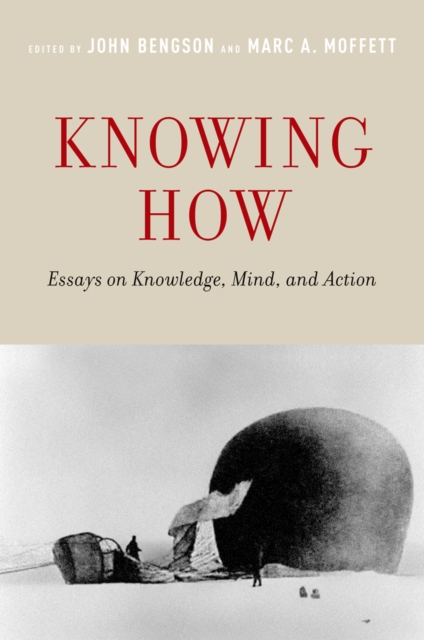
A collection of essays that use John Haugeland''s work on intentionality, embodiment, objectivity, and caring to explore contemporary issues in philosophy of mind.
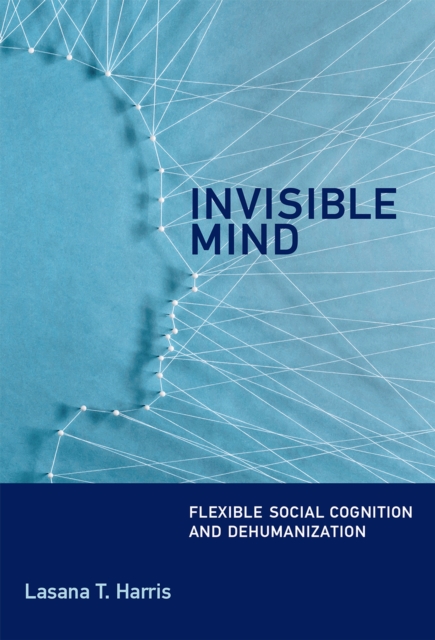
An interdisciplinary view of the evolution and consequences of flexible social cognition—the capacity to withhold the inference of mental states to other people.
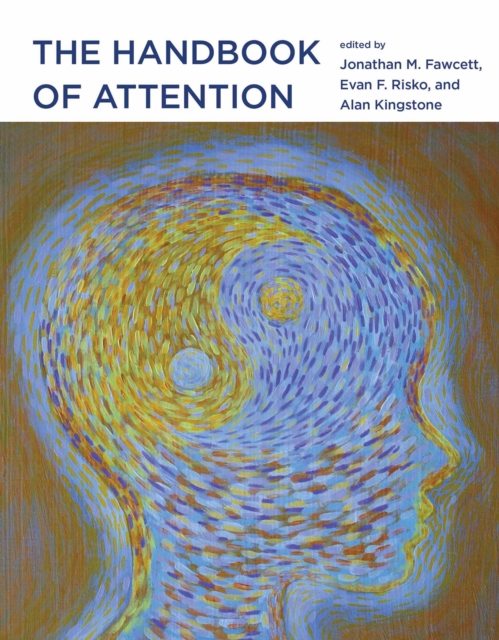
An authoritative overview of current research on human attention, emphasizing the relation between cognitive phenomena observed in the laboratory and in the real world.
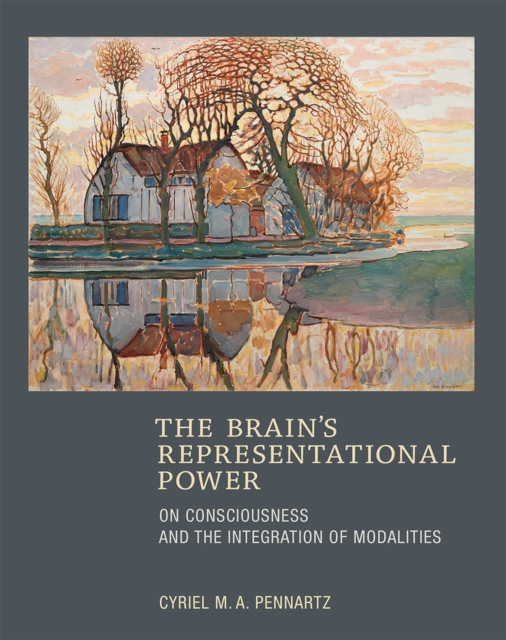
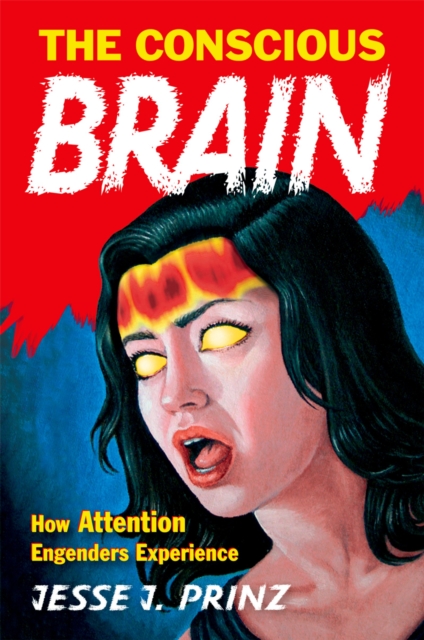
A neuroscientifically informed theory arguing that the core of qualitative conscious experience arises from the integration of sensory and cognitive modalities.
Analysis and case studies show that including different orientations toward the natural world makes for more effective scientific practice and science education.
'The one meditation tactic that will get you through the toughest times' Oprah DailyOvercome negative thoughts and develop a positive mindset this January with these meditation practices proven by neuroscientific research.
'A terrific book - essential reading for everyone seeking to make sense of Artificial Intelligence' Professor Sir Adrian Smith, Director and Chief Executive of the Alan Turing InstituteIn this myth-busting guide to AI past and present, one of the world's leading researchers shows why our fears for the future are misplaced.
The idea that we might be robots is no longer the stuff of science fiction; decades of research in evolutionary biology and cognitive science have led many esteemed scientists to the conclusion that, according to the precepts of universal Darwinism, humans are merely the hosts for two replicators (genes and memes) that have no interest in us except as conduits for replication.
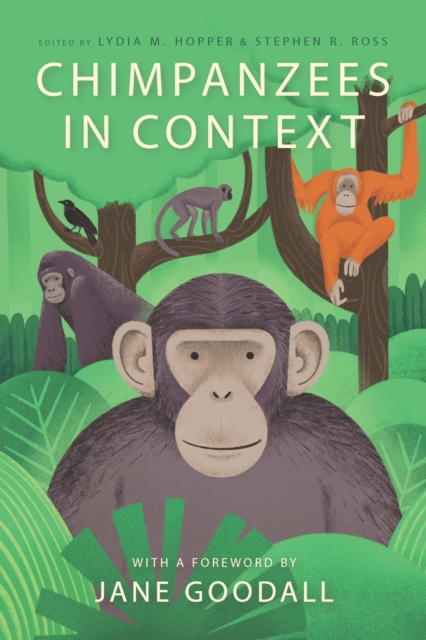
The study of the chimpanzee, one of the human species' closest relatives, has led scientists to exciting discoveries about evolution, behavior, and cognition over the past half century.
Improvisation informs a vast array of human activity, from creative practices in art, dance, music, and literature to everyday conversation and the relationships to natural and built environments that surround and sustain us.
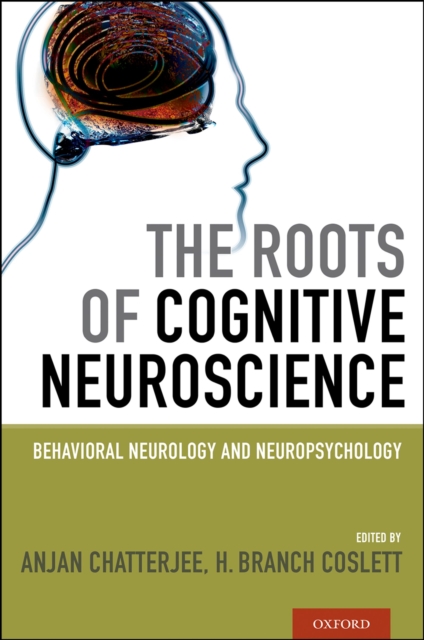
The Roots of Cognitive Neuroscience takes a close look at what we can learn about our minds from how brain damage impairs our cognitive and emotional systems.
Cognitive Science is an avowedly multidisciplinary field, drawing upon many traditional disciplines or research areas--including Linguistics, Neuroscience, Philosophy, Psychology, Anthropology, Artificial Intelligence, and Education--that contribute to our understanding of cognition.
Common sense tells us that we are morally responsible for our actions only if we have free will -- and that we have free will only if we are able to choose among alternative actions.
This book aims to understand human cognition and psychology through a comprehensive computational theory of the human mind, namely, a computational "e;cognitive architecture"e; (or more specifically, the Clarion cognitive architecture).
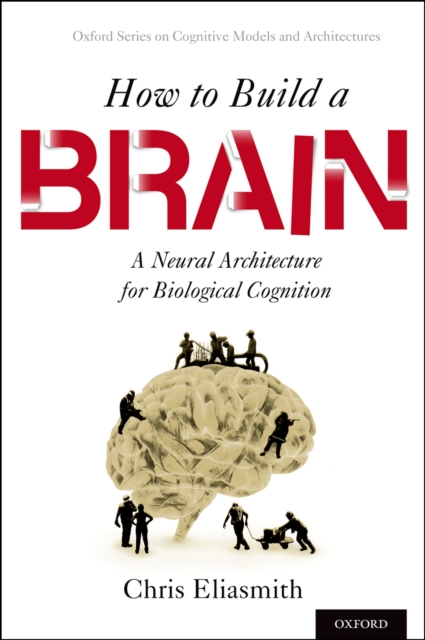
How to Build a Brain provides a detailed exploration of a new cognitive architecture - the Semantic Pointer Architecture - that takes biological detail seriously, while addressing cognitive phenomena.
Improvisation informs a vast array of human activity, from creative practices in art, dance, music, and literature to everyday conversation and the relationships to natural and built environments that surround and sustain us.
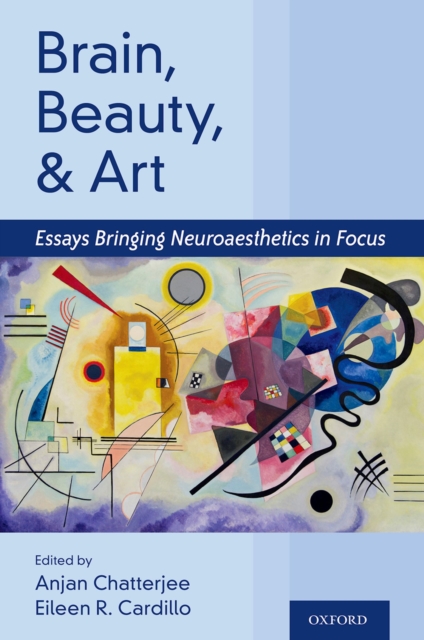
Aesthetics has long been the preserve of philosophy, art history, and the creative arts but, more recently, the fields of psychology and neuroscience have entered the discussion, and the field of neuroaesthetics has been born.
Aesthetics has long been the preserve of philosophy, art history, and the creative arts but, more recently, the fields of psychology and neuroscience have entered the discussion, and the field of neuroaesthetics has been born.
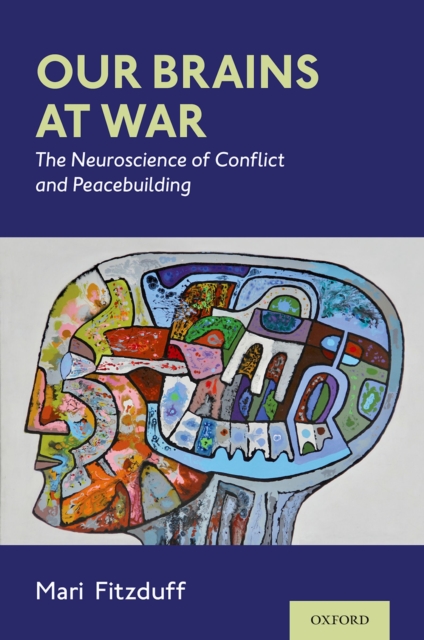
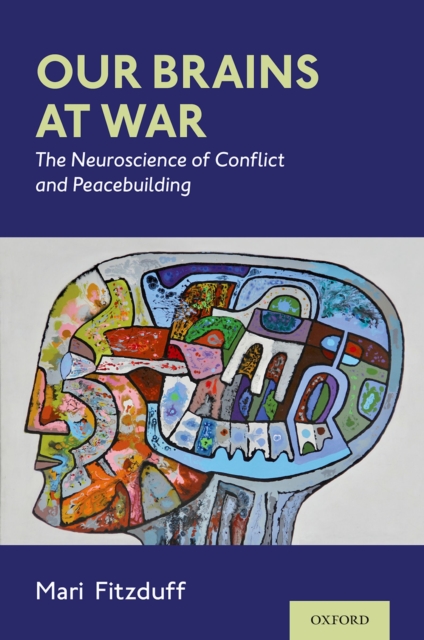
Our Brains at War: The Neuroscience of Conflict and Peacebuilding suggests that we need a radical change in how we think about war, leadership, and politics.
Our Brains at War: The Neuroscience of Conflict and Peacebuilding suggests that we need a radical change in how we think about war, leadership, and politics.
In the course of the eighteenth century, understanding human cognitive life came to be construed as something to be explored in terms of the physiology of the sensory organs, the nerves, and the brain: a form of naturalization that effectively moved cognition out of the realm of philosophy as it had traditionally been understood.
In the course of the eighteenth century, understanding human cognitive life came to be construed as something to be explored in terms of the physiology of the sensory organs, the nerves, and the brain: a form of naturalization that effectively moved cognition out of the realm of philosophy as it had traditionally been understood.
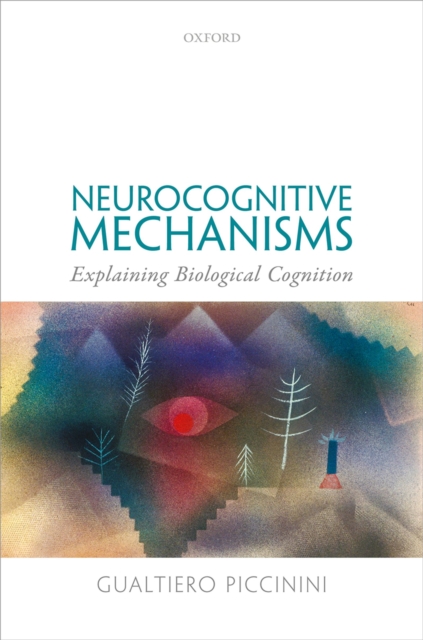
In Neurocognitive Mechanisms Gualtiero Piccinini presents the most systematic, rigorous, and comprehensive philosophical defence to date of the computational theory of cognition.
In Neurocognitive Mechanisms Gualtiero Piccinini presents the most systematic, rigorous, and comprehensive philosophical defence to date of the computational theory of cognition.