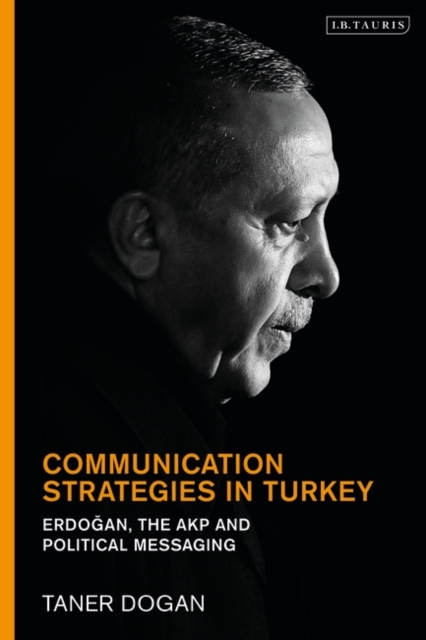
The Turkish President Recep Tayyip Erdogan is known for his populist Islamist ideology, charismatic personality, and for ushering in new forms of communication strategies in Turkey.
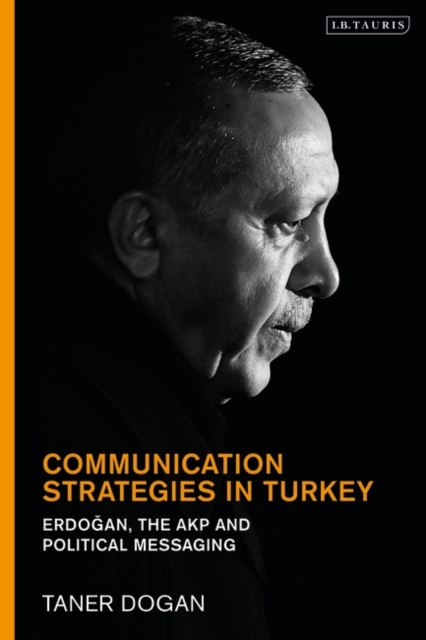
The Turkish President Recep Tayyip Erdogan is known for his populist Islamist ideology, charismatic personality, and for ushering in new forms of communication strategies in Turkey.
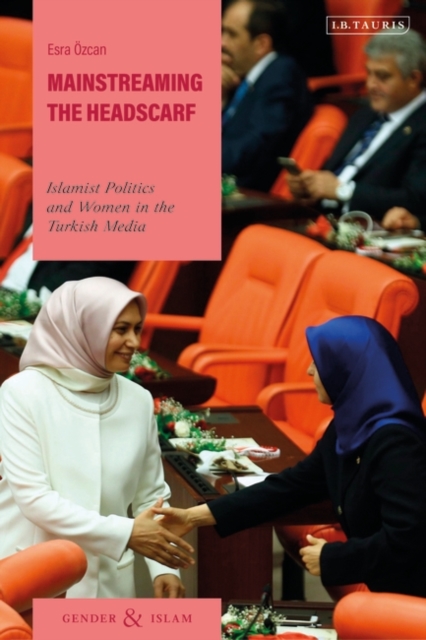
With the rise to power of the Justice and Development Party (AKP) in the early 2000s in Turkey, the headscarf that used be looked down upon by the secular middle and upper classes moved to the mainstream.
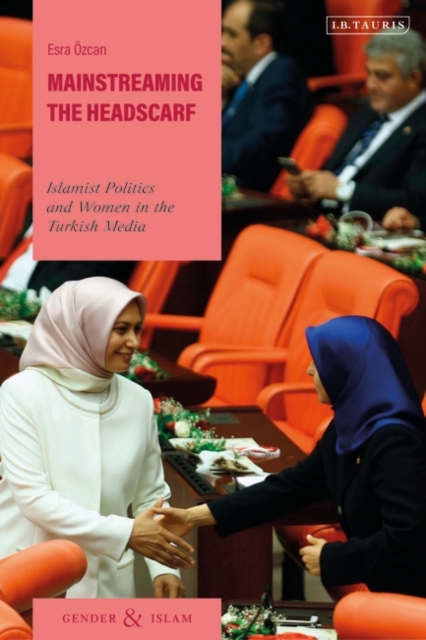
With the rise to power of the Justice and Development Party (AKP) in the early 2000s in Turkey, the headscarf that used be looked down upon by the secular middle and upper classes moved to the mainstream.
The complex relationship between technology and social outcomes is well known and has recently seen significant attention due to the deepening of technology use in many domains.
The complex relationship between technology and social outcomes is well known and has recently seen significant attention due to the deepening of technology use in many domains.
This accessible, step-by-step guide is written for students and working professionals who want to better understand data journalism, web design, and the visualization of information.
Media technologies do not simply record or represent trauma but transform trauma into a cultural form that is multifariously commodified in different contexts.
Media technologies do not simply record or represent trauma but transform trauma into a cultural form that is multifariously commodified in different contexts.
Sponsored by the Communication, Information Technologies, and Media Sociology section of the American Sociological Association (CITAMS), this volume of Studies in Media and Communications features social science research that examines the practices, patterns, and messages related to representations of crime in mass media around the world.
Sponsored by the Communication, Information Technologies, and Media Sociology section of the American Sociological Association (CITAMS), this volume of Studies in Media and Communications features social science research that examines the practices, patterns, and messages related to representations of crime in mass media around the world.
This book explores the theories of transhumanism and posthumanism, two philosophies that deal with radically changing bodies, minds, and even the nature of humanity itself.
This book explores the theories of transhumanism and posthumanism, two philosophies that deal with radically changing bodies, minds, and even the nature of humanity itself.
This book examines how journalism functions among "e;synergistic effects"e; of climate change, such as compounded impact of severe weather, social and political responses to changing global warming, and the often-unfortunate results and impacts on our environments.
This contributed volume identifies how the information processes of public institutions and citizens have changed throughout the COVID-19 pandemic, within a new context that emerged: the infodemic disorder.
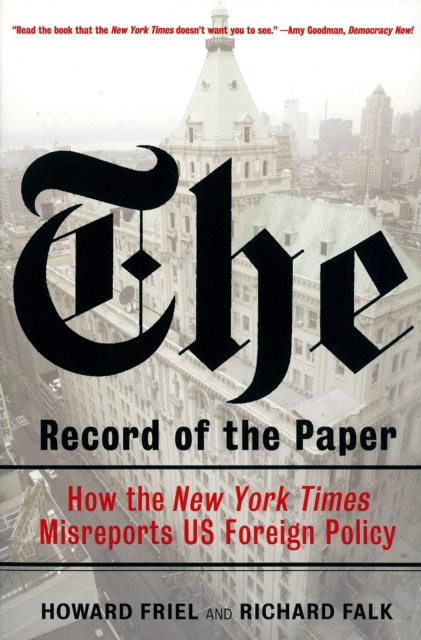
In this scathing analysis of Israel-Palestine coverage in the US media, Howard Friel and Richard Falk reveal the persistent ways the New York Times has ignored principles of international law in order to shield its readers from Israel's lawlessness.
Ten years after the publication of The Business of Books, his groundbreaking critique of conglomeration in the book industry, Andr, Schiffrin turns his attention to the broader crisis in the media.
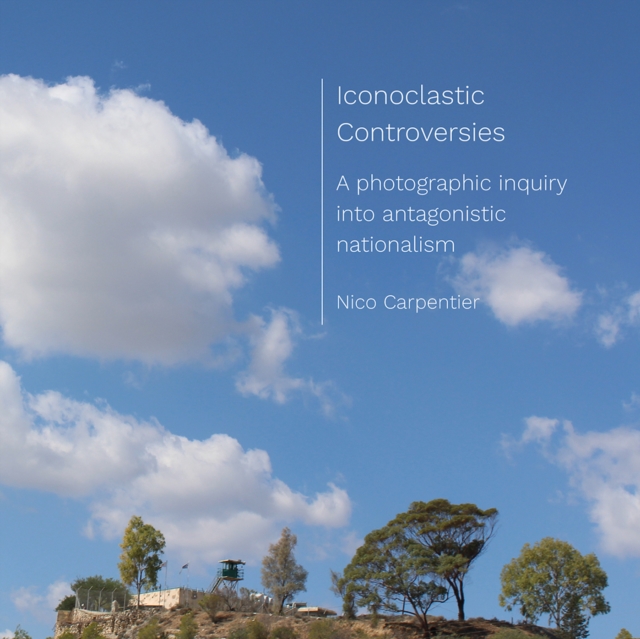
The book combines photography and written text to analyse the role of memorials and commemoration sites in the construction of antagonistic nationalism.
The first in the Media-Life-Universe trilogy, this volume explores a transdisciplinary notion of media and technology, exploring media as technology, with special attention to its material, historical and ecological ramifications.
The first in the Media-Life-Universe trilogy, this volume explores a transdisciplinary notion of media and technology, exploring media as technology, with special attention to its material, historical and ecological ramifications.
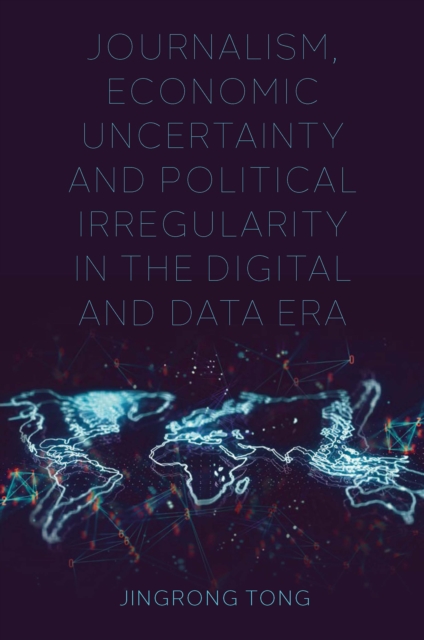
Advances in digital communication have affected the relationship between society, journalism and politics within different contexts in varied ways and intensities.
Advances in digital communication have affected the relationship between society, journalism and politics within different contexts in varied ways and intensities.