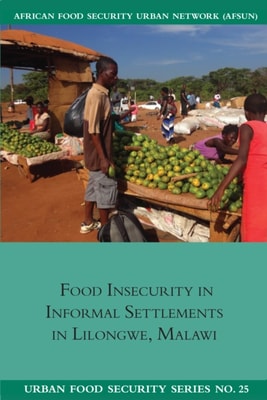
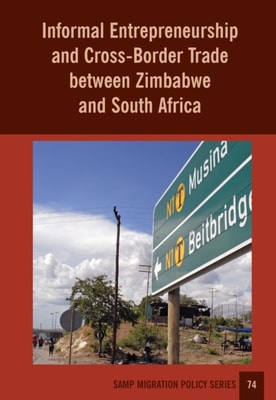
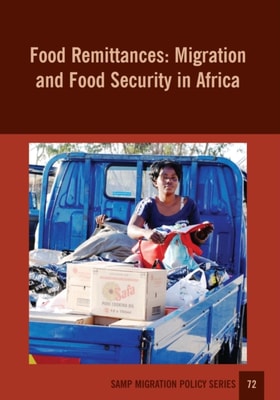
Although there is widespread food availability in urban areas across the Global South, it is not correlated with universal access to adequate amounts of nutritious foods.
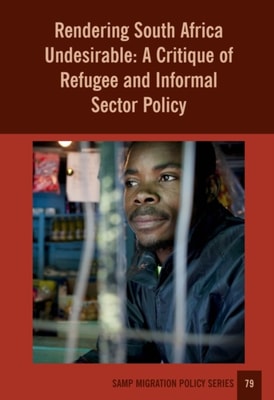
To understand the policy environment within which refugees establish and operate their enterprises in South Africa,s informal sector, this report brings together two streams of policy analysis.
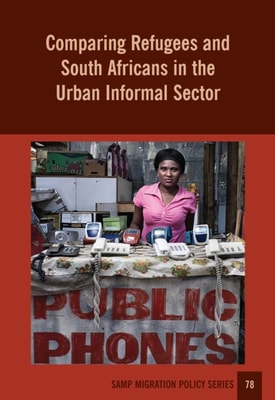
This report compares the business operations of over 2,000 South Africans and refugees in the urban informal economy and systematically dispels some of the myths that have grown up around their activities.
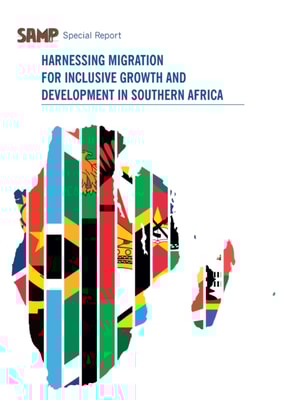
The primary goal of this study is to present the results of a comprehensive scope of key opportunities and challenges for harnessing migration for inclusive growth and development at the regional level in Southern Africa.
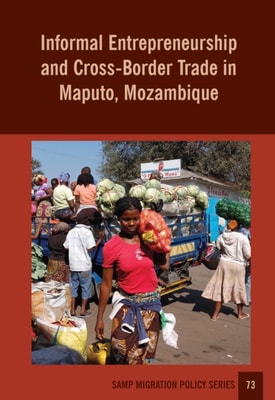
This report presents the results of a SAMP survey of informal entrepreneurs connected to cross-border trade between Johannesburg and Maputo during 2014.
Developing a Transformation Agenda for Zimbabwe analyses the political and economic constraints on the nation's reconstruction and democratic transformation and suggests options for transformation in key sectors as well as lessons learnt from other transformations.
Faced with a global threat to food security, it is perfectly possible that society will respond, not by a dystopian disintegration, but rather by reasserting co-operative traditions.
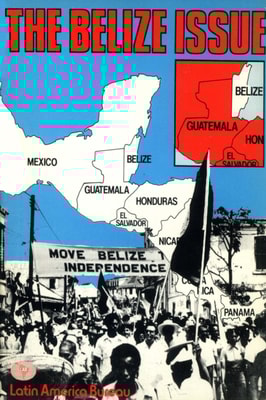
The tiny British colony of Belize on the Caribbean coast of Central America is the subject of a century-old dispute between Britain and the Central American republic of Guatemala.
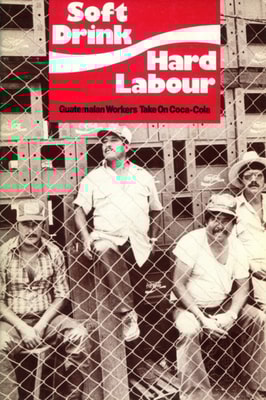
For nine years the 450 workers at the Coca-Cola bottling plant in Guatemala City fought a battle with their employers for their jobs, trade union and lives.
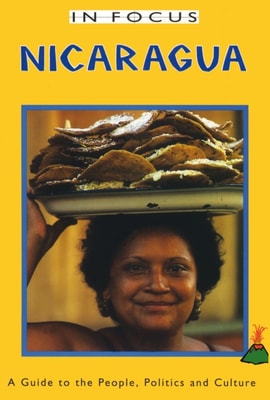
Nicaragua: Dictatorship and Revolution traces the history of one of the longest lasting and most repugnant dictatorships in Latin America and describes the popular insurrection which finally overthrew the 43 year old Somoza dynasty.
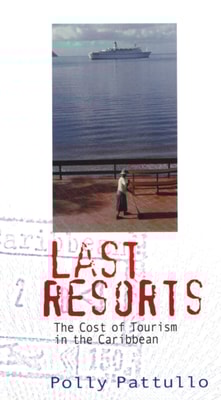
Far From Paradise looks at the Caribbean behind the tourist brochures: small, vulnerable countries beset by poverty and injustice, searching for a road out of underdevelopment.
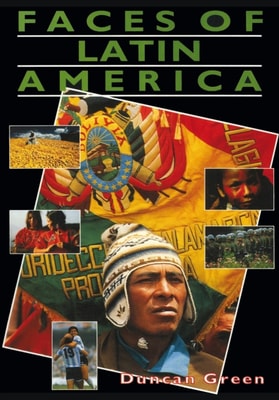
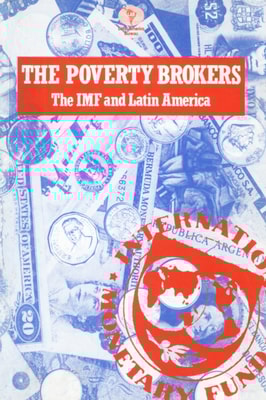
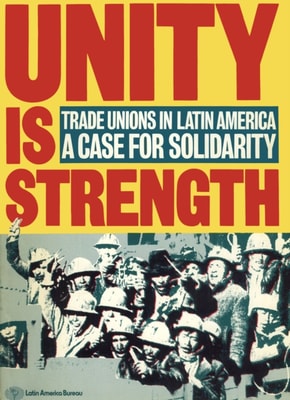
Latin American workers and peasants live in extreme poverty, exploited by a global economic system which concentrates wealth and power in the hands of the multinational corporations and local capitalists at the expense of the mass of working people.
In 2002, after a long political struggle, Lula was elected Brazil's first working class President amid huge expectations that he and the Workers' Party (PT) would bring much-needed reform.
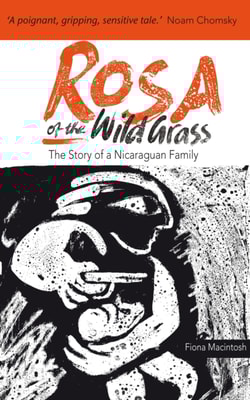
Rosa of the Wild Grass, the Story of a Nicaraguan Family is a true story which spans the last fifty years of the life of this small Central American republic.
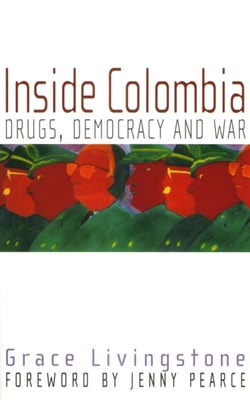
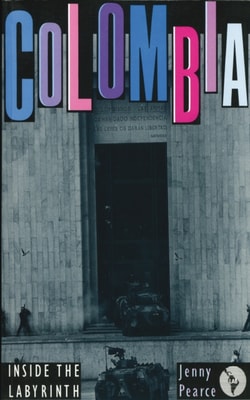
Seen by some as a success story, with steady growth and political stability, Colombia is also notorious through the violence surrounding the cocaine trade.
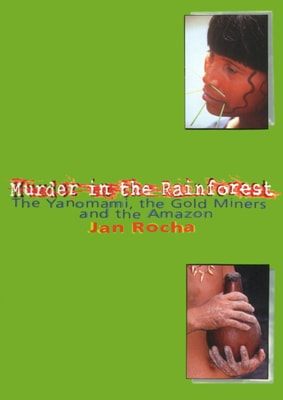
In July 1993, near Haximu, a tiny hamlet in the Amazon rainforest, a fateful meeting between a group of young Yanomami Indians and Brazilian gold miners resulted in the massacre of the Yanomami.
Mexico is a land torn between Latin America and the US, between its Indian and revolutionary past and the modern trappings of skyscrapers, cell phones, and factories.