For decades, scholars and journalists have hailed the enormous potential of Brazil, which has been one of the world's largest economies for the last twenty years.
In the years after the collapse of the Soviet Union and its zone of influence, few insurgent groups had the resources necessary to confront regular armies.
The arrival of several hundred Guatemalan-born workers in a Morganton, North Carolina, poultry plant sets the stage for this dramatic story of human struggle in an age of globalization.
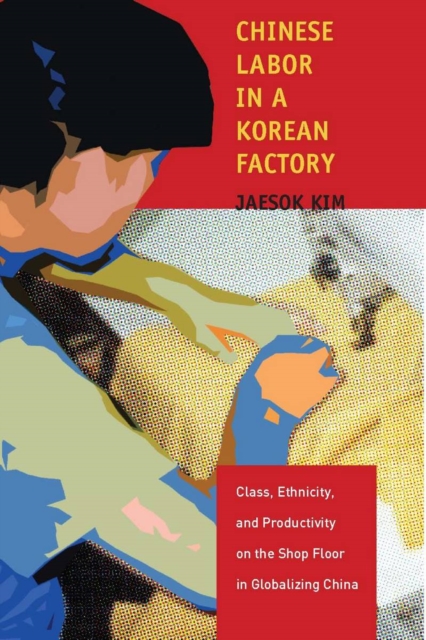
Chinese Labor in a Korean Factorydraws on fieldwork in a multinational corporation (MNC) in Qingdao, China, and delves deep into the power dynamics at play between Korean management, Chinese migrant workers, local-level Chinese government officials, and Chinese local gangs.
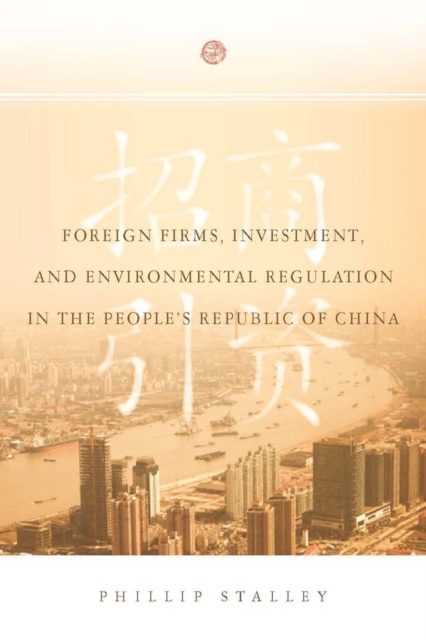
This new book takes as its focus a simple yet critical question: Does foreign direct investment lead to weakened environmental regulation, thereby turning developing countries into "e;pollution havens"e;?
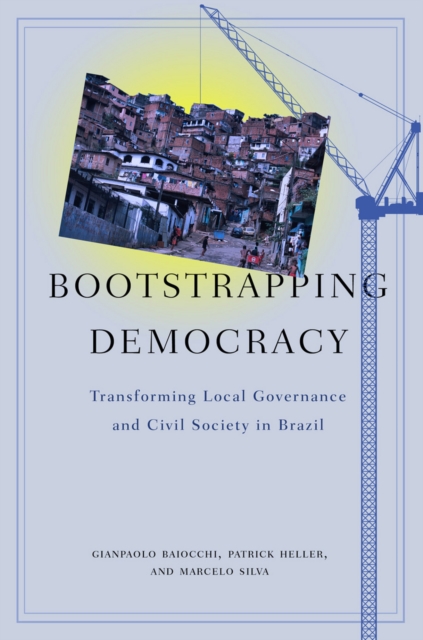
Despite increasing interest in how involvement in local government can improve governance and lead to civic renewal, questions remain about participation's real impact.
Whereas previous research concentrated on articulating what global strategies look like in large multinational companies with decades of experience in operations abroad, The Leap to Globalization focuses on how globalizing is realized over time in companies that start from a narrow geographic base.
In Democratic Society and Human Needs Noonan examines the moral grounds for liberalism and democracy, arguing that contemporary democracy was created through needs-based struggles against classical liberal rights, which are essentially exclusionary.
Contributors to the book suggest an alternative discourse and value system to that of the market-led corporate global agenda, one that does not directly challenge corporate globalization but recognizes a parallel reality.
Brown argues that internal barriers to trade and competition in these countries were significant obstacles to competition in the global economy and shows that the old market rules were rooted in longstanding political and regional compromises.
While the opposing paradigms of globalization and fragmentation compete in often bloody and destructive ways in the world today, this book convincingly reminds us of the importance of finding out more about the complex and changing ways in which we are connected.
In Democratic Society and Human Needs Noonan examines the moral grounds for liberalism and democracy, arguing that contemporary democracy was created through needs-based struggles against classical liberal rights, which are essentially exclusionary.
Network Democracy uses the contemporary tools of ecology and network thinking to unearth the ancient, intellectual ruins of traditional conservative thought.
In this book Rajneesh Narula examines the interdependence of globalization and technological innovation at two levels: first, between locations, by examining the role of cross-border initiatives in the innovation process; second, between corporate entities, by studying the dynamics of inter-firm R&D collaboration.
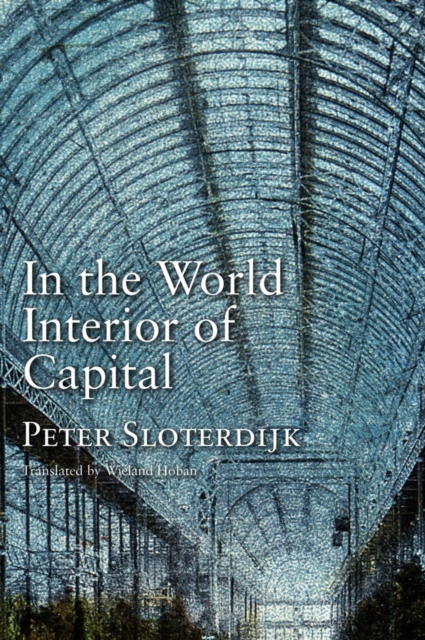
Displaying the distinctive combination of narration and philosophy for which he is well known, this new book by Peter Sloterdijk develops a radically new account of globalization at the beginning of the twenty-first century.
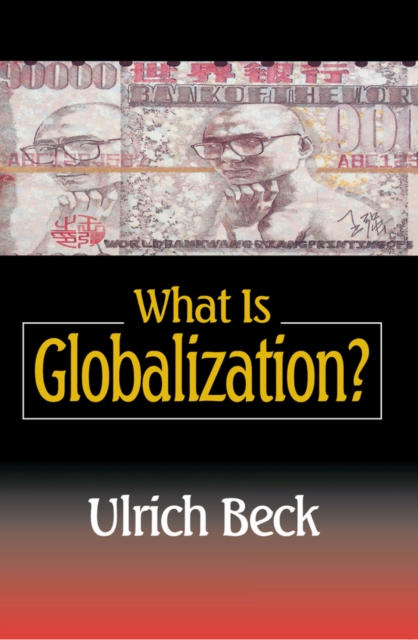
In this new book, Ulrich Beck develops his now widely used concepts of second modernity, risk society and reflexive sociology into a radical new sociological analysis of the cosmopolitan implications of globalization.
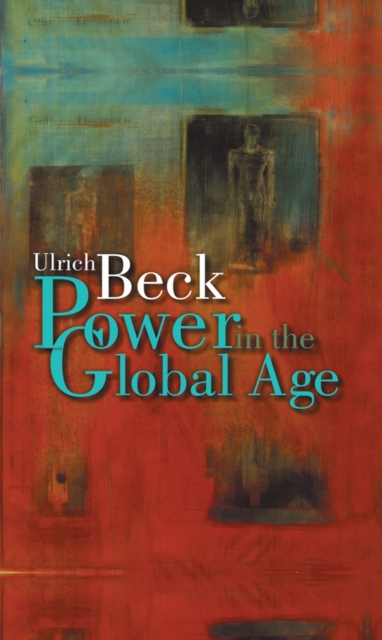
This brilliant new book by one of Europe's leading social thinkers throws light on the global power games being played out between global business, nation states and movements rooted in civil society.
One of the major characteristics of our contemporary culture is a positive, almost banal, view of the transgression and disruption of cultural boundaries.
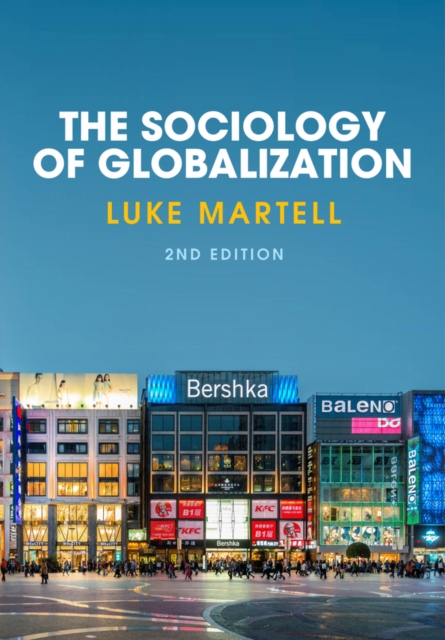
The new edition of this accessible and wide-ranging book demonstrates the distinctive insights that sociology has to bring to the study of globalization.
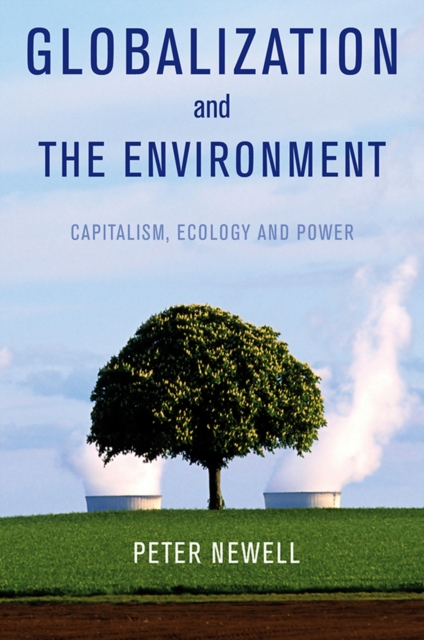
Globalization and the Environment critically explores the actors, politics and processes that govern the relationship between globalization and the environment.
This book presents a state-of-the-art overview of the relationship between globalization studies and literature and literary studies, and the bearing that they have on each other.
The ongoing interconnection of the world through modern mass media is generally considered to be one of the major developments underpinning globalization.
Debating Globalization is a short, accessible introduction to the debate about globalization written by many of the most prominent figures in the field.
Contrary to the common view that globalization undermines social agency, alter-globalization activists', that is, those who contest globalization in its neo-liberal form, have developed new ways to become actors in the global age.
This accessible book addresses one of the twenty-first century's most important issues: the increasing lack of connection between political institutions and the social reality of our everyday lives.
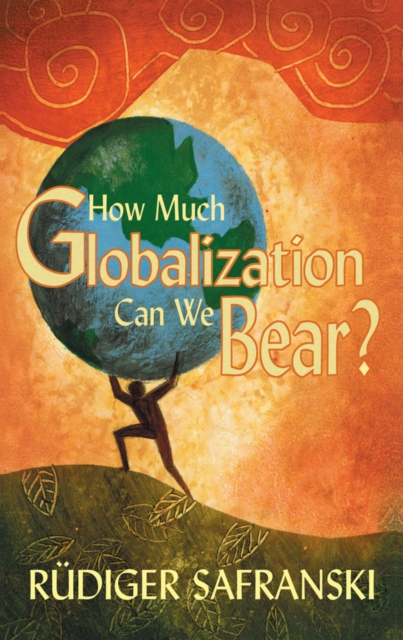
'A breath of fresh air' - Norman FinklesteinWorkers in the Global South are doomed through economic imperialism to carry the burden of the entire world.
TodayOs growing fascination with flows of people, commodities, technology, capital, images and ideas across national and other boundaries poses fresh theoretical and methodological challenges to anthropology.