Gender and the Politics of Possibilities explores the lesser-known side of globalization beyond the effects of national governments and multinational cooperations by taking a look at grassroots movements by women that have and continue to shape globalization today.
In the 21st century we face innumerable material and existential challenges both now and in the future, from religious fanaticism, mass migration, unfettered corporate power, to inequality, big data and climate change.
Developing a processual understanding of world statehood, this book combines history, political philosophy, explanatory social science, and critical-reflexive futures studies.
A trailblazing look at the historical emergence of a global field in contemporary art and the diverse ways artists become valued worldwidePrior to the 1980s, the postwar canon of ';international' contemporary art was made up almost exclusively of artists from North America and Western Europe, while cultural agents from other parts of the world often found themselves on the margins.
A study of the structure, growth, and future of transnational human travel and communicationIncreasingly, people travel and communicate across borders.
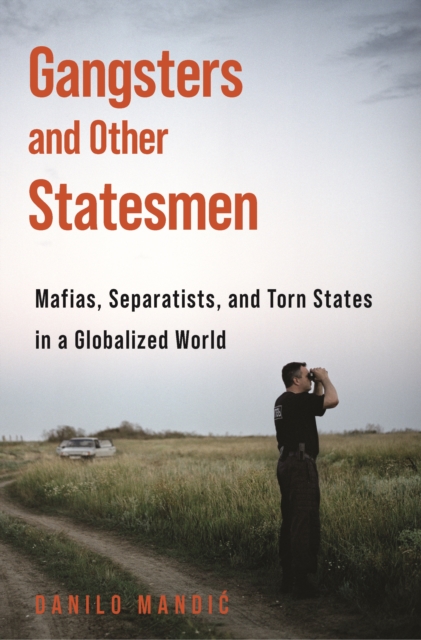
How global organized crime shapes the politics of borders in modern conflictsSeparatism has been on the rise across the world since the end of the Cold War, dividing countries through political strife, ethnic conflict, and civil war, and redrawing the political map.
A groundbreaking new historical analysis of how global capitalism and advanced democracies mutually support each otherIt is a widespread view that democracy and the advanced nation-state are in crisis, weakened by globalization and undermined by global capitalism, in turn explaining rising inequality and mounting populism.
A groundbreaking new historical analysis of how global capitalism and advanced democracies mutually support each otherIt is a widespread view that democracy and the advanced nation-state are in crisis, weakened by globalization and undermined by global capitalism, in turn explaining rising inequality and mounting populism.
A comprehensive look at the world of illicit trade Though mankind has traded tangible goods for millennia, recent technology has changed the fundamentals of trade, in both legitimate and illegal economies.
Open Science is about how we address the profound challenges which now confront humanity: climate, the food crisis, environmental degradation, resource scarcity and disease; through science communication.
Geschäftserfolg in Bulgarien bietet einen umfassenden Einblick in die dynamischen Geschäftsmöglichkeiten, die Bulgarien ausländischen Investoren und Unternehmern bietet.
Friedman and a distinguished group of contributors offer a compelling analysis of globalization and the lethal explosiveness that characterizes the current world order.
Various social, political, economic and cultural commentators are presently arguing that human history is reaching a decisive stage in its development, a stage marked by increased interconnection between peoples, the compression of space and time, a sharing of ideas at unprecedented levels, global trade and finance, and so on.
Various social, political, economic and cultural commentators are presently arguing that human history is reaching a decisive stage in its development, a stage marked by increased interconnection between peoples, the compression of space and time, a sharing of ideas at unprecedented levels, global trade and finance, and so on.
In the late 20th century, the world has grown increasingly smaller because of advances in technology and the erosion of the nation-state as a political paradigm.
This unique collection provides critical analyses of Japanese educational history by bringing together gender, transnational, and transcultural perspectives.
War-torn deserts, jihadist killings, trucks weighted down with contraband and migrantsfrom the Afghan-Pakistan borderlands to the Sahara, images of danger depict a new world disorder on the global margins.
In The Devil behind the Mirror, Steven Gregory provides a compelling and intimate account of the impact that transnational processes associated with globalization are having on the lives and livelihoods of people in the Dominican Republic.
Friedman and a distinguished group of contributors offer a compelling analysis of globalization and the lethal explosiveness that characterizes the current world order.
Leading economists propose solutions to the problems of globalizationGlobalization has expanded economic opportunities throughout the world, but it has also left many people feeling dispossessed, disenfranchised, and angry.
This insightful account demonstrates that capitalism in China has a history and a geography, and combines perspectives from both to demonstrate that regional economic restructuring in South China is far from an economic 'miracle's.
On the same day that reporter Jeffrey Kaye visited the Tondo hospital in northwest Manila, members of an employees association wearing hospital uniforms rallied in the outside courtyard demanding pay raises.
In Globalization, authors Bruce Greenwald and Judd Kahn cut through the myths surrounding globalization and look more closely at its real impact, presenting a more accurate picture of the present status of globalization and its future consequences.
In Globalization, authors Bruce Greenwald and Judd Kahn cut through the myths surrounding globalization and look more closely at its real impact, presenting a more accurate picture of the present status of globalization and its future consequences.
The book covers the fundamentals of global aging and health and provides real-world models from countries and regions that offer the best practices in current approaches.
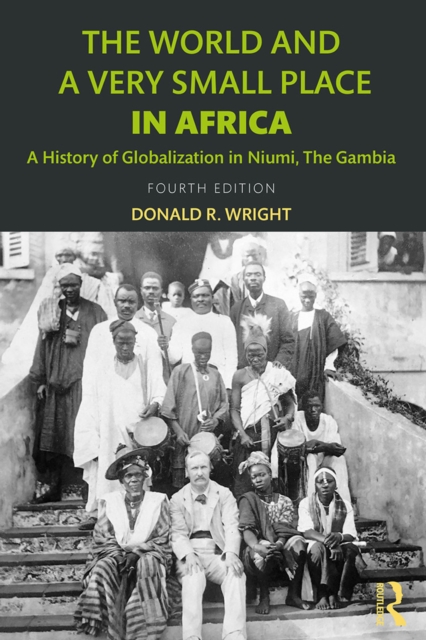
The World and a Very Small Place in Africa is a fascinating look at how contacts with the wider world have affected how people have lived in Niumi, a small and little-known region at the mouth of West Africa's Gambia River, for over a thousand years.
The World and a Very Small Place in Africa is a fascinating look at how contacts with the wider world have affected how people have lived in Niumi, a small and little-known region at the mouth of West Africa's Gambia River, for over a thousand years.
Focusing on the dilution of state sovereignty, this book examines how the crossing of state boundaries by religious movements leads to the formation of transnational civil society.
This book explores how discourses of the local, the particular, the everyday, and the situated are being transformed by new discourses of globalization and transnationalism, as used both by government and business and in critical academic discourse.
Robert Clark delves into 100 millennia of human history to create a unified and consistent explanation for humankind's inner need to spread itself across the globe.
This timely new book focuses on the various dynamics of contemporary multilateralism as it relates to global issues, global governance, and global institutions.
This book takes into account the dramatic changes associated with the collapse of the Soviet Union, the end of the Cold War, and significant developments in the semi-periphery and periphery.
"e;The authors combine an excellent state-of-the-art review of the literature in world-systems analysis with a vigorous presentation of their own quite coherent views.
A rich collection of diverse voices, Sociology of Globalization examines the processes of globalization as well as its impact on people around the world.
Focusing on the dilution of state sovereignty, this book examines how the crossing of state boundaries by religious movements leads to the formation of transnational civil society.
This book explores how discourses of the local, the particular, the everyday, and the situated are being transformed by new discourses of globalization and transnationalism, as used both by government and business and in critical academic discourse.
Robert Clark delves into 100 millennia of human history to create a unified and consistent explanation for humankind's inner need to spread itself across the globe.
This timely new book focuses on the various dynamics of contemporary multilateralism as it relates to global issues, global governance, and global institutions.
This book takes into account the dramatic changes associated with the collapse of the Soviet Union, the end of the Cold War, and significant developments in the semi-periphery and periphery.