Technologies of the allied warfare in Iraq and Afghanistan, such as remote-controlled drones and night vision goggles, allow the user to virtualize human targets.
This volume of "e;Research in Social Movements, Conflicts, and Change"e; investigates gendered aspects of social activism and peacebuilding, an area of research that continues to be undertheorized.
"e;Economics of War and Peace: Economic, Legal, and Political Perspectives"e; brings together recent, cutting-edge research on economic factors affecting peace and war.
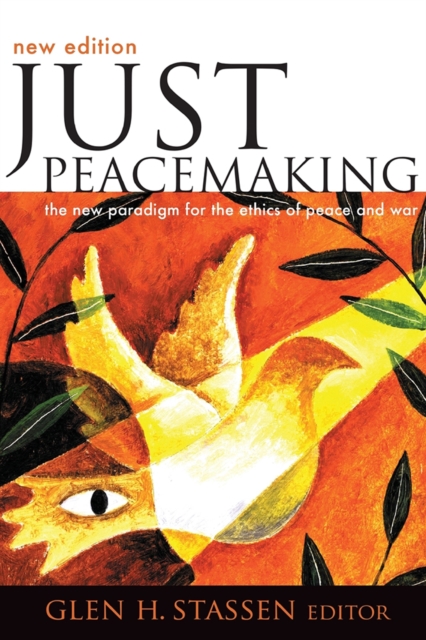
"e;Just Peacemaking: The New Paradigm for the Ethics of Peace and War"e; is the product of twenty-three scholars across various denominations who have collaborated annually since 1992 to specify the ten practical steps and develop the undergirding principles of this critical approach:1.
This convenient and easy-to-use orientation reference and care guide provides new neonatal nurses and their preceptors with the core information they need to provide all aspects of safe, effective, holistic care to newborn infants and their families.
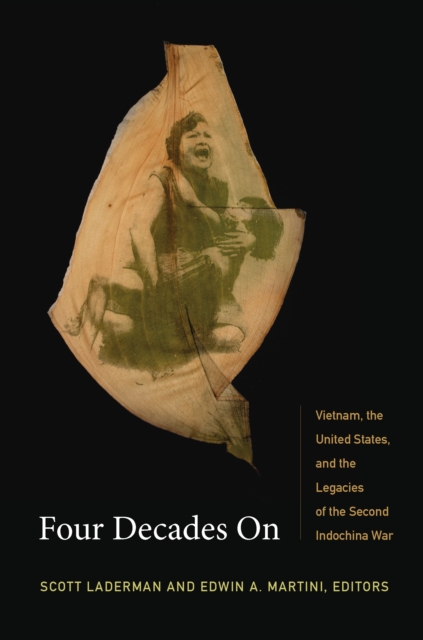
In Four Decades On, historians, anthropologists, and literary critics examine the legacies of the Second Indochina War, or what most Americans call the Vietnam War, nearly forty years after the United States finally left Vietnam.
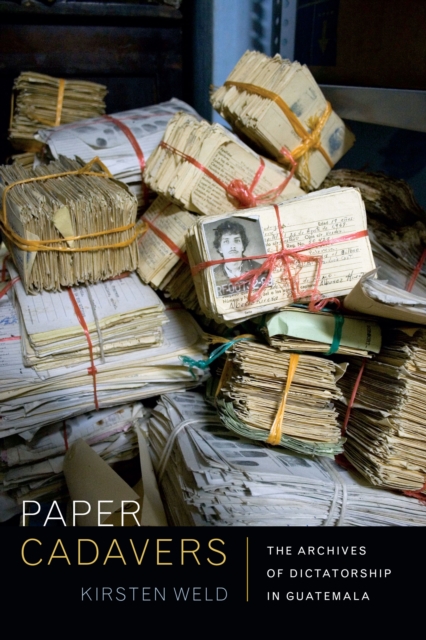
In Paper Cadavers, an inside account of the astonishing discovery and rescue of Guatemala's secret police archives, Kirsten Weld probes the politics of memory, the wages of the Cold War, and the stakes of historical knowledge production.
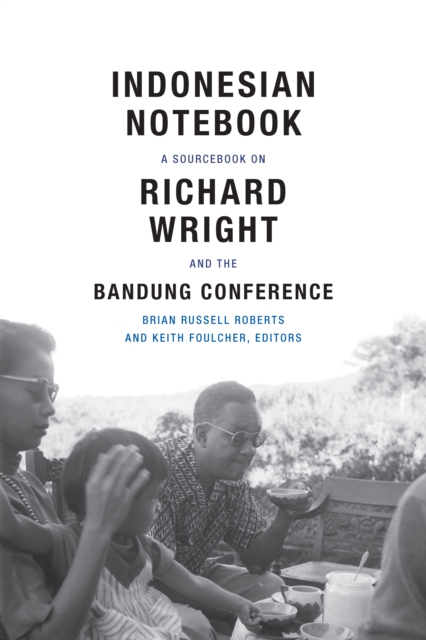
While Richard Wright's account of the 1955 Bandung Conference has been key to shaping Afro-Asian historical narratives, Indonesian accounts of Wright and his conference attendance have been largely overlooked.
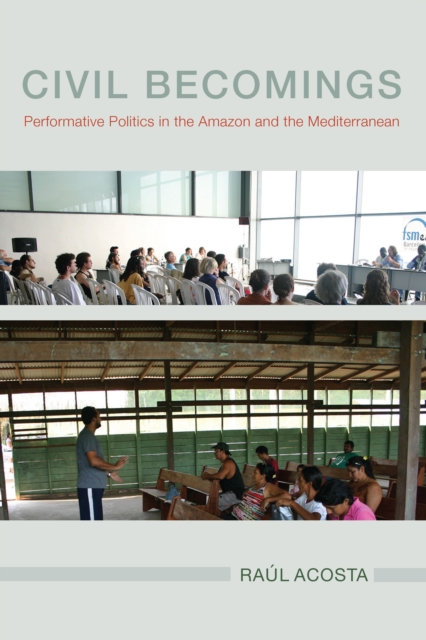
An anthropological approach to an emerging form of transnational political engagement by independent civil society organizations Activism and advocacy have drawn academic interest as alternative ways of achieving collective ends outside established political institutions.
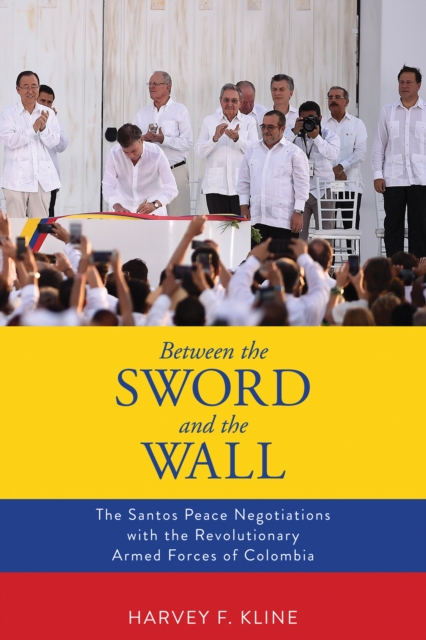
Chronicles the peace process negotiations between Colombian president Juan Manuel Santos and the Marxist Revolutionary Armed Forces of Colombia In Between the Sword and the Wall: The Santos Peace Negotiations with the Revolutionary Armed Forces of Colombia, Harvey Kline, a noted expert on contemporary Colombian politics, brings to a close his multivolume chronicle of the incessant violence that has devastated Colombia's population, politics, and military for decades.
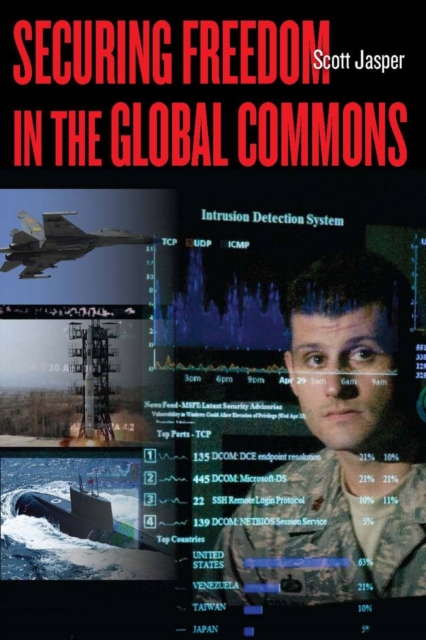
The new millennium has brought with it an ever-expanding range of threats to global security: from cyber attacks to blue-water piracy to provocative missile tests.
Each year, governments spend billions of dollars on peacekeeping efforts around the world, and much more is spent on humanitarian aid to refugees and other victims of armed struggle.
Preventing sweeping human rights violations or wars and rebuilding societies in their aftermath require an approach encompassing the perspectives of both human rights advocates and practitioners of conflict resolution.
The struggle between Israelis and Palestinians has proven to be one of the most complex and intractable conflicts of our time, persisting for more than a century despite the efforts of leaders worldwide.
Covid-19, Klimawandel, Populismus oder Digitalisierung und zuletzt der Ukraine-Krieg machen die Frage nach der Möglichkeit und Unmöglichkeit von Versöhnung zu einem der relevantesten Themen unserer Zeit.
Most regions of the world are plagued by conflicts that are made insoluble by a confluence of complex threads from history, geography, politics, and culture.
This book addresses two questions that are crucial to the human condition in the twenty-first century: does globalization promote security or fuel insecurity?
Paths to Peace begins by developing a theory about the domestic obstacles to making peace and the role played by shifts in states' governing coalitions in overcoming these obstacles.
Victimology, Tenth Edition, covers the scope of crime victims' suffering in the US, offering a history of victims and the measurement of victimization, an explanation of the victim's role in the criminal justice process, and a recounting of the issues crime victims face as a result of crime and involvement in the criminal justice process.
The new millennium has brought with it an ever-expanding range of threats to global security: from cyber attacks to blue-water piracy to provocative missile tests.
"e;Ungoverned spaces"e; are often cited as key threats to national and international security and are increasingly targeted by the international community for external interventions-both armed and otherwise.
NATIONAL BESTSELLER Search for Common Ground AwardMiddle East Institute AwardFinalist, Sakharov Prize for Freedom of ThoughtStavros Niarchos Prize for SurvivorshipNobel Peace Prize nominee"e;A necessary lesson against hatred and revenge"e; -Elie Wiesel, Nobel Peace Prize laureate"e;In this book, Doctor Abuelaish has expressed a remarkable commitment to forgiveness and reconciliation that describes the foundation for a permanent peace in the Holy Land.
The creation of the Force Intervention Brigade (FIB) as the sharp tactical edge of the United Nations Stabilisation Mission in the Democratic Republic of the Congo (MONUSCO), tasked with the neutralising of armed groups, was a watershed moment in the history of modern peace missions.
This interdisciplinary Handbook provides an in-depth analysis of the complex security phenomenon of disinformation and offers a toolkit to counter such tactics.
This interdisciplinary Handbook provides an in-depth analysis of the complex security phenomenon of disinformation and offers a toolkit to counter such tactics.
The award-winning first edition of The Promise of Mediation, published ten years ago, is a landmark classic that changed the field's understanding of the theory and practice of conflict intervention.
In this thought-provoking, passionately written book, Bernard Mayer an internationally acclaimed leader in the field dares practitioners to ask the hard questions about alternative dispute resolution.
As a distinguished scientist, pacifist, and feminist, Ursula Franklin has been regularly invited by diverse groups to share her insights into the social and political impacts of science and technology.
Christina Clark-Kazak, a former international aid worker, uses extensive interviews done in Kampala and Kyaka II refugee settlement, Uganda, to present the narratives of ten young people living as refugees.
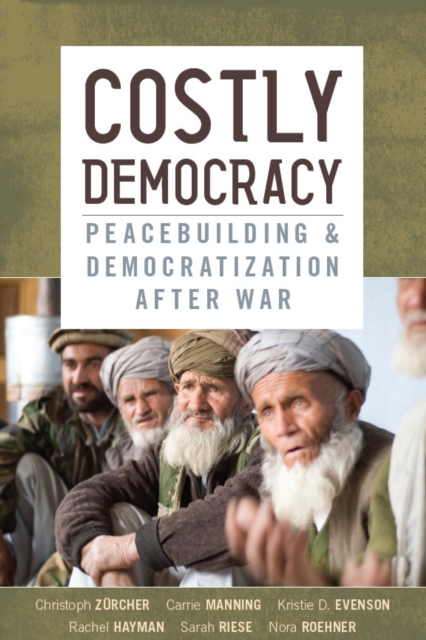
Through a series of frank and incisive case studies of conflicted countries, contributors' chapters challenge the centrality and timing of elections as a key pillar of reconstruction at a war's end.
Reconciliation(s) considers the definition of the concept of reconciliation itself, focusing on the definitional dialogue that arises from the attempts to situate reconciliation within a theoretical and analytical framework.