This book examines the theory and practice of nuclear deterrence between India and Pakistan, two highly antagonistic South Asian neighbors who recently moved into their third decade of overt nuclear weaponization.
This book explores and reflects on peacebuilding, which emerges from the experiences and realities of women's lives in East Africa, specifically, in Uganda.
Two decades after the war, Bosnia and Herzegovina (BiH) still faces a weak national identity and ethnic and religious divisions that are further preventing the country from reaching sustainable peace and development.
This book takes a new approach to answering the question of how NATO survived after the Cold War by examining its complex relationship with the United States.
Gender and Transitional Justice provides the first comprehensive feminist analysis of the role of international law in formal transitional justice mechanisms.
This book reveals how the idea of human security, combined with other human-centric norms, has been embraced, criticized, modified and diffused in East Asia (ASEAN Plus Three).
This book provides a holistic view on the topics of peace and conflict, peace education, international relations and regional studies during the end of the second decade of the twenty-first century.
This book explains the historical roots of the conflict between Jews and Arabs, which has lost none of its explosiveness to the present day, in a comprehensive and easy-to-understand manner.
This edited book analyses the relationship between discourse and conflict, exploring both how language may be used to promote conflict and also how it is possible to avoid or mitigate conflict through tactical use of language.
The prospect that the psychiatric profession has hurt rather than helped many of its patients is incredibly disheartening; however, wrong diagnoses and improper treatment are all too common errors within the field.
This edited volume offers an understanding of how the international community, as a collection of significant actors including major states and intergovernmental institutions, has responded to the important political and social development of the Arab Spring.
Transitional Justice, Judicial Accountability and the Rule of Law addresses the importance of judicial accountability in transitional justice processes.
After the ceasefire, a group of architects and planners from the American University of Beirut formed the Reconstruction Unit to help in the recovery process and in rebuilding the lives of those affected by the 2006 war in Lebanon .
This text provides a comprehensive re-examination of post-World War II Sino-Japanese relations, focusing notably on Chinese premier Zhou Enlai's foreign policy toward Japan.
This book analyses the origins of security dilemmas in the South China Sea (SCS) and the significance of China's actions in asserting its claim from the perspective of defensive realist theory.
This book, as the first exploration of suicide in Peace and Conflict Studies (PACS), illustrates the scarcity of suicide research in the discipline and argues that the leading cause of violent death worldwide is a multifaceted phenomenon that needs to be fully comprehended as a significant and often preventable form of world-wide violence.
This book brings Korea's finest foreign policy minds together in contemplating the risks and rewards of finally ending the 70 year stalemate between North and South Korea through reunification.
The promotion of the rule of law has become an increasingly important element of peacekeeping and peacebuilding operations, particularly in Africa, where there have been numerous internal armed conflicts and missions over the last decade.
This book, Rising from the Ashes: UN Peacebuilding in Timor-Leste, provides an in-depth look into the UN's first experiment in governing and building peace in the aftermath of conflict, using East Timor as a case study.
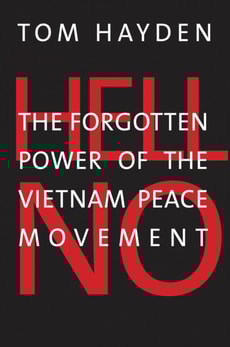
Why those who protested the Vietnam War must be honored, remembered, and appreciated"e;Hell no"e; was the battle cry of the largest peace movement in American history the effort to end the Vietnam War, which included thousands of veterans.
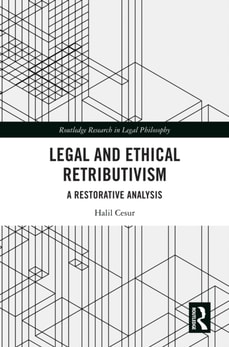
This book explores a foundational philosophical tension in contemporary retributivism, revealing ambiguities in its approach to punishment between two conflicting conceptions of restoration: legal justice and ethical love.
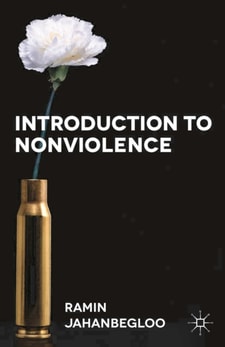
Non-violent movements, under figures like Gandhi and the Dalai Lama, led to some of the great social changes of the 20th century, and some argue it offers solutions for this century's problems.
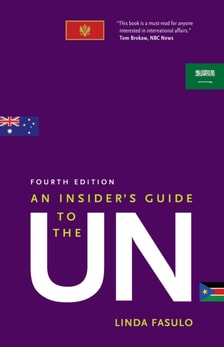
Thoroughly revised and updated, a new edition of the most popular guide to the UN for students and interested readers Prominent NPR journalist Linda Fasulo's guide to the United Nations has established a reputation as the most lively, authoritative, and insightful book on its subject.
Now that the last veterans are gone, the First World War is now a completely historical subject—governed by archaeology and genealogy, battlefield tourism and military history.
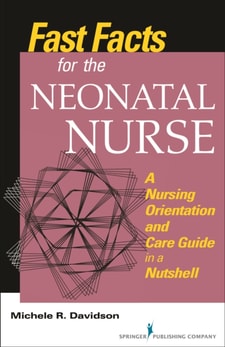
This convenient and easy-to-use orientation reference and care guide provides new neonatal nurses and their preceptors with the core information they need to provide all aspects of safe, effective, holistic care to newborn infants and their families.
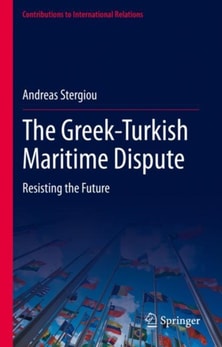
The study provides an extensive legal, geopolitical and historical analysis of all controversial issues making up the Greek-Turkish maritime dispute: the delimitation of territorial waters, the national airspace, the delineation of exclusive economic zones and continental shelf as well as the issue of military presence on the Eastern Aegean islands and its relation to the Greek sovereignty over them.
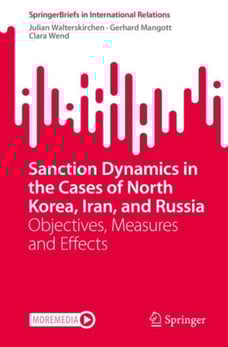
This book examines the sanction regimes imposed by the United States, the European Union, and the United Nations against Russia, Iran, and North Korea.
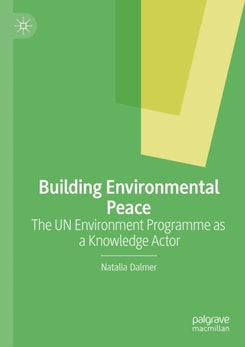
By analyzing the UN Environment Programme's (UNEP's) contribution to peacebuilding, this book aims to show how international bureaucracies develop knowledge and thereby come to matter on the world stage.
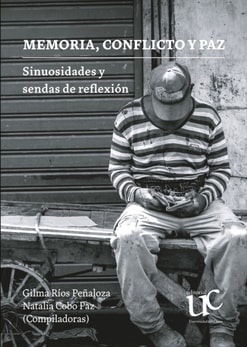
La Universidad tiene un gran reto: educar para la paz, para la convivencia, para la aceptación crítica del otro, para resguardar la memoria, para contribuir en los procesos de resiliencia y para hacer de nuestros estudiantes seres comprometidos con la construcción de un país en el cual podamos vivir mejor.