First published in 1992, this edited collection argues that conflicts have a growing tendency both to intensify and to lengthen, thus increasing the likelihood of external actors being drawn into the on-going violence.
First published in 1992, this edited collection argues that conflicts have a growing tendency both to intensify and to lengthen, thus increasing the likelihood of external actors being drawn into the on-going violence.
There is widespread dissatisfaction with the current suite of evaluation and monitoring tools available to peacebuilders and those responding to conflict.
There is widespread dissatisfaction with the current suite of evaluation and monitoring tools available to peacebuilders and those responding to conflict.
Violence affects the economy of production and the ecology of reproduction- the production of economic goods and services and the generational reproduction of workers, the regeneration of the capacity to work and maintenance of workers on a daily basis, and the renewal of culture and society through community relations and the education of childrenGender and the Political Economy of Conflict in Africa explores the persistence of violence in conflict zones in Africa using a political economy framework.
Violence affects the economy of production and the ecology of reproduction- the production of economic goods and services and the generational reproduction of workers, the regeneration of the capacity to work and maintenance of workers on a daily basis, and the renewal of culture and society through community relations and the education of childrenGender and the Political Economy of Conflict in Africa explores the persistence of violence in conflict zones in Africa using a political economy framework.
This book investigates competing modes of thought about gender security and aims to understand the policy implications of personal-political imaginations.
This book investigates competing modes of thought about gender security and aims to understand the policy implications of personal-political imaginations.
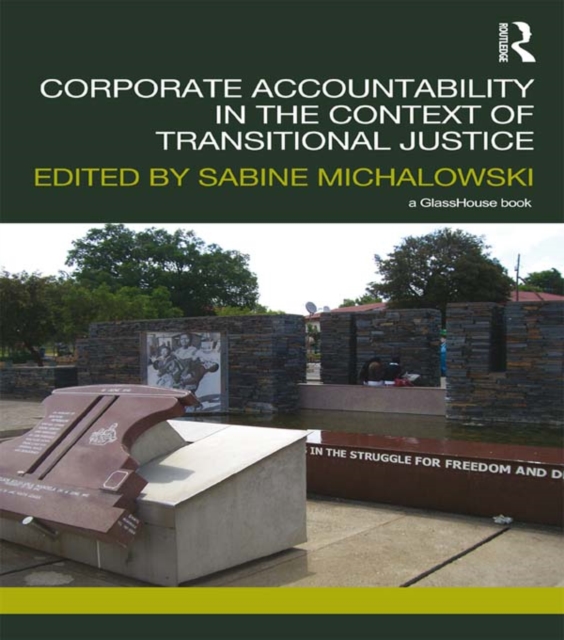
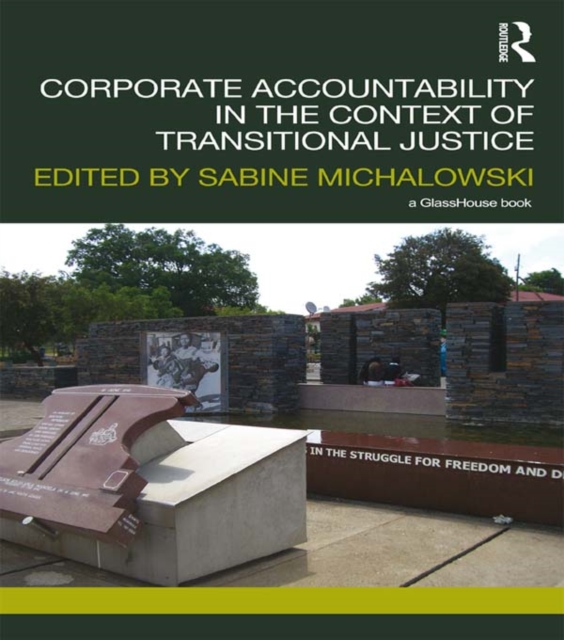
Corporate Accountability in the Context of Transitional Justice explores how corporations can be held accountable for their role in past human rights violations when a country is making a transition from conflict or repression to peace and democracy.
Corporate Accountability in the Context of Transitional Justice explores how corporations can be held accountable for their role in past human rights violations when a country is making a transition from conflict or repression to peace and democracy.
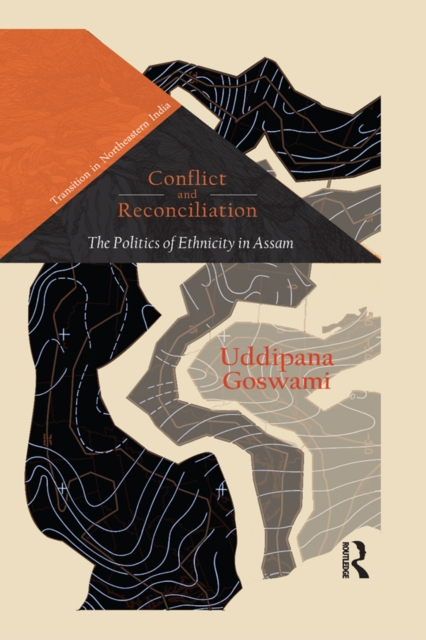
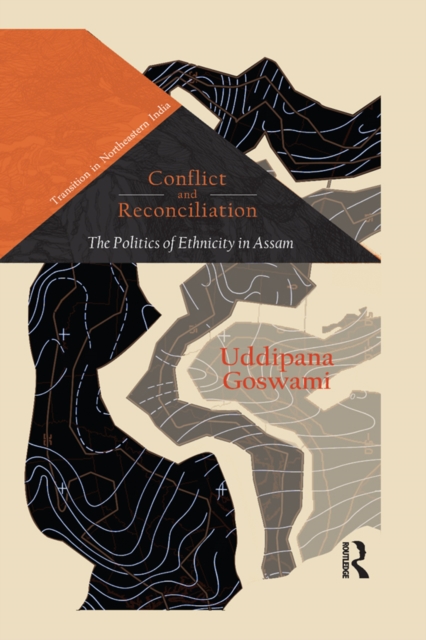
Diverging from reductionist studies of Northeast India and its multifarious conflicts, this book presents an exclusive and intricate, empirical and theoretical study of Assam as a conflict zone.
Diverging from reductionist studies of Northeast India and its multifarious conflicts, this book presents an exclusive and intricate, empirical and theoretical study of Assam as a conflict zone.
Scholars and practitioners alike agree that somehow the past needs to be addressed in order to enable individuals and collectives to rebuild trust and relationships.
A definitive global survey of the interaction of ethnicity, nationalism and politics, this handbook blends rigorous theoretically grounded analysis with empirically rich illustrations to provide a state-of-the-art overview of the contemporary debates on one of the most pervasive international security challenges today.
Violently divided societies present major challenges to institutions seeking to establish peace in places characterised by ethnic conflict and high levels of social segregation.
Violently divided societies present major challenges to institutions seeking to establish peace in places characterised by ethnic conflict and high levels of social segregation.
This second edition of the Handbook of Victims and Victimology presents a comprehensively revised and updated set of essays, bringing together internationally recognised scholars and practitioners to offer substantial research informed overviews within their specialist fields of investigation.
This second edition of the Handbook of Victims and Victimology presents a comprehensively revised and updated set of essays, bringing together internationally recognised scholars and practitioners to offer substantial research informed overviews within their specialist fields of investigation.
Unlike other books on conflict resolution that focus on particular places and moments in history, this original work attempts to understand the process from many different perspectives and in many different contexts - from international political conflicts, to racial and religious struggles within one culture, to the internal conflicts of individuals struggling with the desire for revenge in the wake of 9/11.