An exploration of why and how peace has gradually mitigated intense conflict in the Asia-Pacific region, this volume draws on case studies and multivariate quantitative analysis to test theories of peace and conflict regarding the region.
Studies of Northern Ireland's ex-combatants ignore religion, while advocates of religious interventions in transitional justice exaggerate its influence.
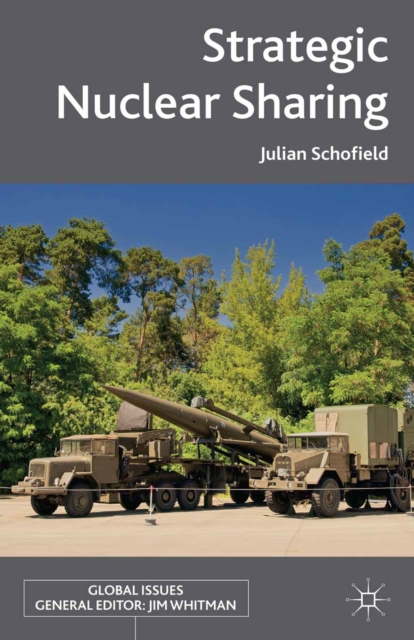
The sharing of nuclear weapons technology between states is unexpected, because nuclear weapons are such a powerful instrument in international politics, but sharing is not rare.
This book explores the ambiguous role played by civil society in the processes of state-building, democratization and post-conflict reconstruction in the Western Balkans challenging the assumption that civil society is always a force for good by analysing civil society actors and their effects in post-communist and post-conflict transition.
This book develops a concept of vulnerability in International Relations that allows for a profound rethinking of a core concept of international politics: means-ends rationality.
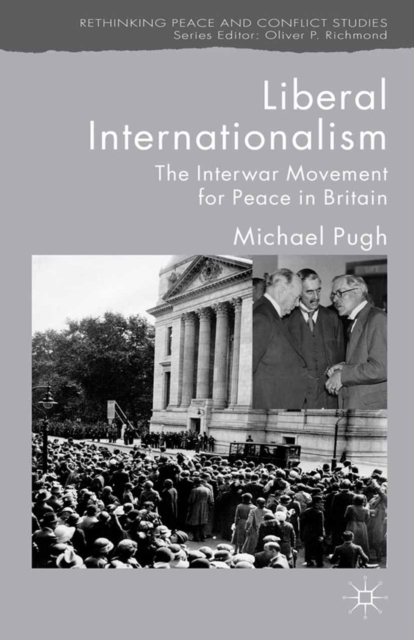
The book investigates the role of popular liberal internationalism as a social movement in Britain using Gramscian and Foucauldian ideas of civil society.
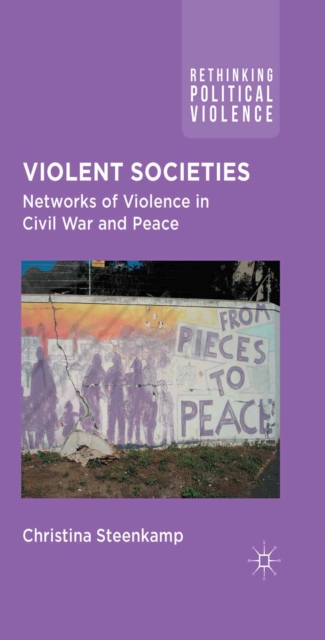
This book investigates the relationships between political violence, social violence and economic violence using examples from South Africa, Northern Ireland, Lebanon and Syria.
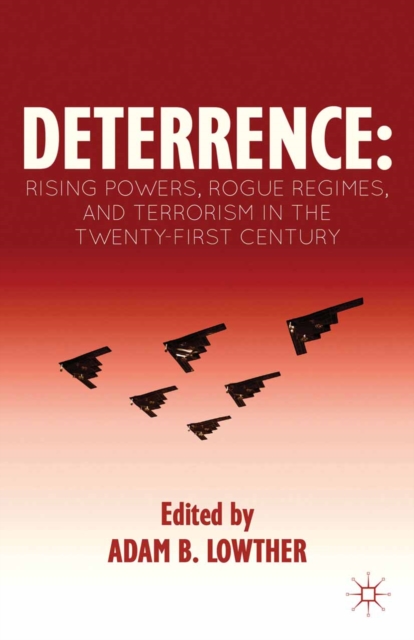
This volume moves beyond Cold War deterrence theory to show the many ways in which deterrence is applicable to contemporary security: in space, in cyberspace, and against non-state actors.
This book critically evaluates the growing body of theoretical literature on ethnic conflict and civil war, using empirical data from three major South Caucasian conflicts, evaluating the relative strengths and weaknesses of the available methodological approaches.
Using a case study based approach, Weissmann analyses the post-Cold War East Asian security setting to demonstrate why there is a paradoxical inter-state peace.
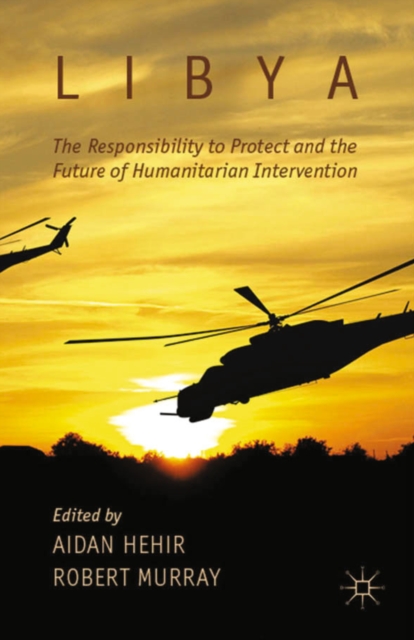
This book critically analyses the 2011 intervention in Libya arguing that the manner in which the intervention was sanctioned, prosecuted and justified has a number of troubling implications for the both the future of humanitarian intervention and international peace and security.
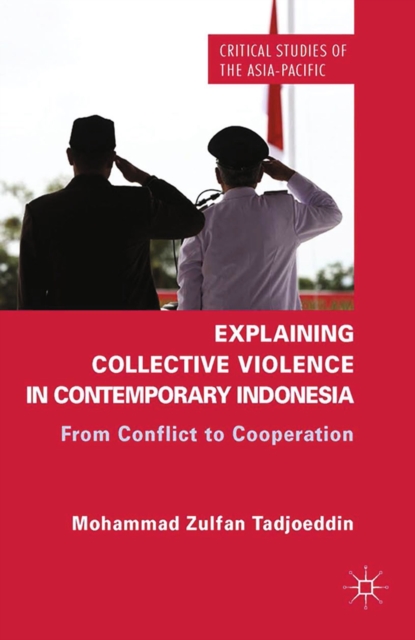
Tadjoeddin uniquely explores four types of violent conflicts pertinent to contemporary Indonesia (secessionist, ethnic, routine-everyday and electoral violence), and seeks to discover what socio-economic development can do to overcome conflict and make the country's transition to democracy safe for its constituencies.
In the treaty of Versailles and the SALT II Treaty, years of painstaking diplomatic effort were lost when the United States Senate refused to provide its consent to ratification.
This book looks at the Guatemalan peace process, which was successful in providing a development program to modernize the economy and national infrastructure with the support of international organizations and negotiating parties, analyzing the extent to which peace processes offer opportunity for progressive social transformation.
The book provides a comprehensive sociological and cultural explanation of Israel's politics toward the Palestinians, covering the period of the Oslo Accords and the Second Intifada and focusing on the concept of a 'new war' that is an outgrowth of internal relations within Israel itself and the diversionary politics of its leadership.
An exploration of the individual work of ten diplomats who were charged with negotiating conclusions to intractable conflicts in the Middle East and Balkans, this book is the first study to combine the outlooks of practitioners and academics on new forms of war, especially asymmetrical warfare between state and non-state actors.
This book examines and offers suggestions for how post-conflict practices should conceptualize and address harms committed by child soldiers for successful social reconstruction in the aftermath of mass atrocity.
Analysing the issues of language that faced international forces carrying out peace operations in Bosnia-Herzegovina in the 1990s, this book examines how differences of language were an integral part of the conflicts in the country and in what way the multinational UN and NATO forces faced their own problems of communication and language support.
Explaining how the price of aggression is low enough that governments do not avoid conflicts, this book uses examples drawn from recent conflicts in the Persian Gulf to examine many dimensions of costs incurred by warfare and proposes a private sector solution to warfare's low cost.
This book introduces a new research agenda for visual peace research, providing a political analysis of the relationship between visual representations and the politics of violence nationally and internationally.
Analysing the relationship between EU unity and effectiveness in multilateral negotiations on food standards, climate change and health, this book develops a new model that simplifies earlier work on 'actorness' as well as combining insights from institutionalist, intergovernmentalist and constructivist theories.
Thalakada argues that the principal purpose of US alliances have shifted since the end of the Cold War from containing communist expansionism (balance of power) to preserving and exercising US power (management of power).
This book comprises of a range of case studies of military strategy, based on UN documents, observing and concluding the effectiveness of each individual case.
Ankersen examines Canada's civil-military cooperation efforts in Kosovo, Bosnia, and Afghanistan through the lens of Clausewitz's 'Remarkable Trinity'.
Mirbagheri traces the revival of Islamic/ist movements, and embarks on a theoretical study of some of the fundamental concepts in Islam and International Relations such as the self, Jihad, peace and universalism.
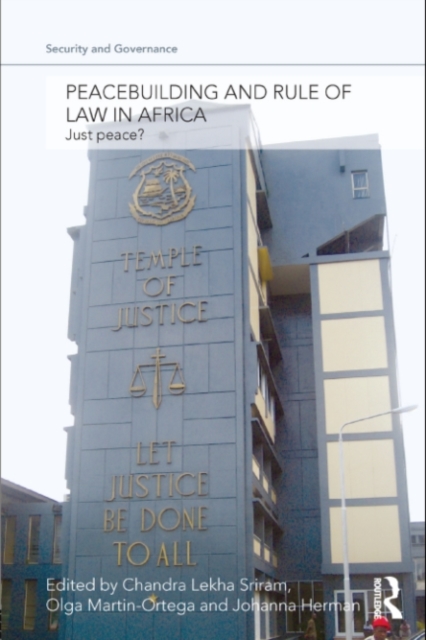
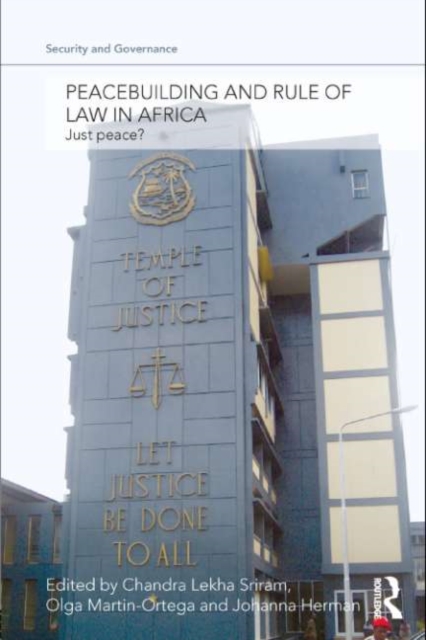
The promotion of the rule of law has become an increasingly important element of peacekeeping and peacebuilding operations, particularly in Africa, where there have been numerous internal armed conflicts and missions over the last decade.
The promotion of the rule of law has become an increasingly important element of peacekeeping and peacebuilding operations, particularly in Africa, where there have been numerous internal armed conflicts and missions over the last decade.
This book offers an intellectual history of an emerging technology of peace and explains how the liberal state has come to endorse illiberal subjects and practices.
This book offers an intellectual history of an emerging technology of peace and explains how the liberal state has come to endorse illiberal subjects and practices.
This collection asks theorists and educational practitioners from around the world influenced by the schools of feminist pedagogy, critical pedagogy, anti-racist or postcolonial pedagogy, and gay and lesbian pedagogy to reflect upon the possibilities of articulating a "e;curriculum of difference"e; that critically examines the cross-cultural issues of peace and education that are at the forefront of global education issues today.
This collection asks theorists and educational practitioners from around the world influenced by the schools of feminist pedagogy, critical pedagogy, anti-racist or postcolonial pedagogy, and gay and lesbian pedagogy to reflect upon the possibilities of articulating a "e;curriculum of difference"e; that critically examines the cross-cultural issues of peace and education that are at the forefront of global education issues today.
This book offers new insights into the close relationship between political discourses and conflict resolution through critical analysis of the role of discursive change in a peace process.
This book offers new insights into the close relationship between political discourses and conflict resolution through critical analysis of the role of discursive change in a peace process.