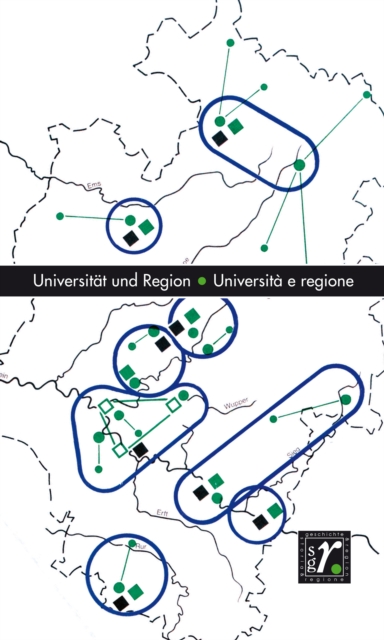
Universitäten sind keine in sich geschlossenen, autarken oder abgeschotteten Institutionen, sondern beziehen sich in vielfältiger Weise und auf unterschiedlichen Ebenen auf ihre räumliche Umwelt.
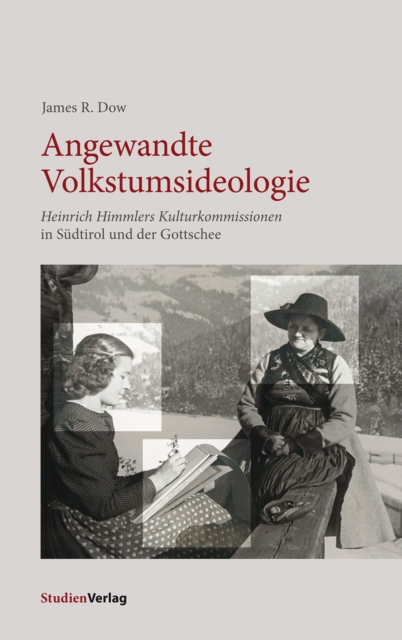
Im Jahr 1939 wurde die überwiegend deutschsprachige Bevölkerung Südtirols vor die Wahl gestellt, entweder in Hitlers Deutsches Reich auszuwandern oder in Mussolinis faschistischem Italien zu verbleiben.
DER "ANSCHLUSS" IN TIROL UND SEINE AUSWIRKUNGENApril 1938 in Tirol: Während eine von langer Hand geplante PROPAGANDAOFFENSIVE die Tiroler Bevölkerung auf den Besuch Adolf Hitlers in INNSBRUCK vorbereitete, wurden mögliche GEGENER DER NEUEN REGIERUNG bereits in den Tagen nach dem "Anschluss" durch AMTSENTHEBUNGEN, willkürliche Hausdurchsuchungen und Verhaftungen eingeschüchtert.
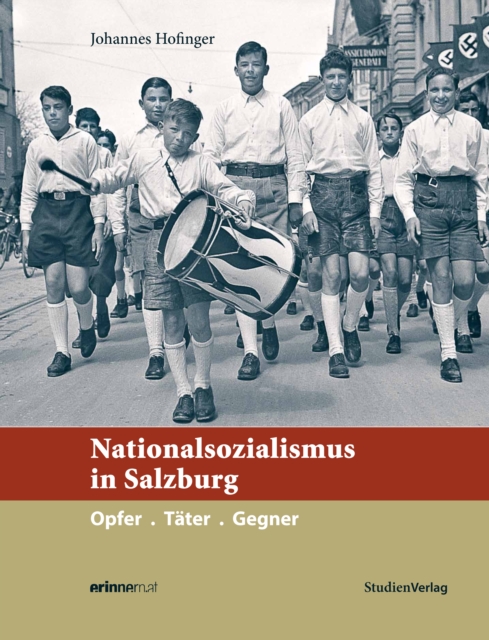
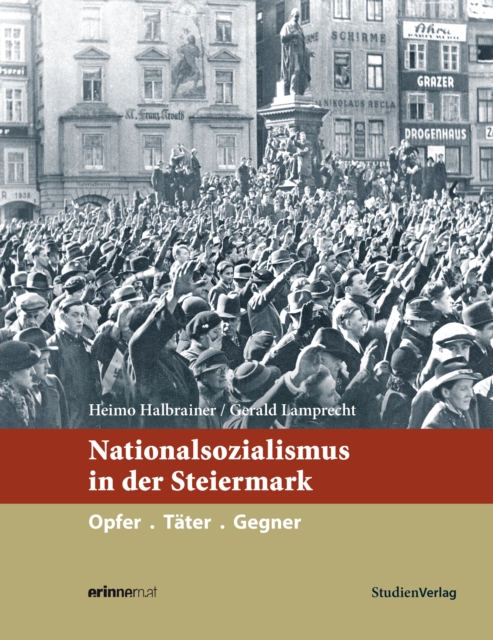
Nationalsozialismus in den österreichischen BundesländernDie Bände in dieser Sachbuchreihe behandeln auf dem neuesten Forschungsstand die wesentlichen Themen zum Nationalsozialismus in den einzelnen Bundesländern.
Hanna Dauberger und Minni Schwarz schufen 1946/47 mit der Veröffentlichung ihrer Sammlungen die wichtigste Quelle zum Flüsterwitz in Österreich während des Dritten Reiches.
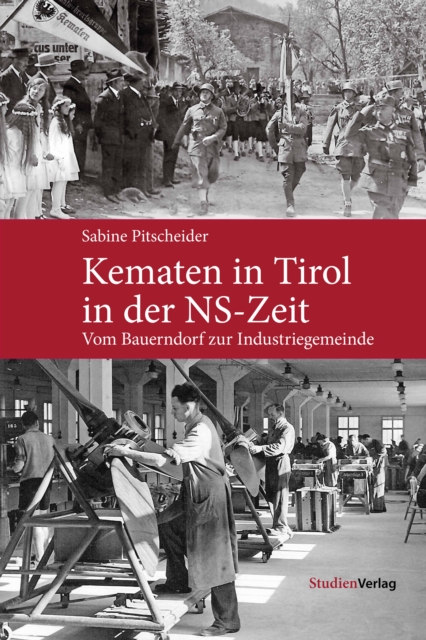
Kematen in Tirol und der Anschluss an das Deutsche ReichDie überwältigende Mehrheit der Ortsansässigen in Kematen in Tirol begrüßte im März 1938 den "Anschluss" an das Deutsche Reich und die Ablösung der ständestaatlichen durch die nationalsozialistische Diktatur.
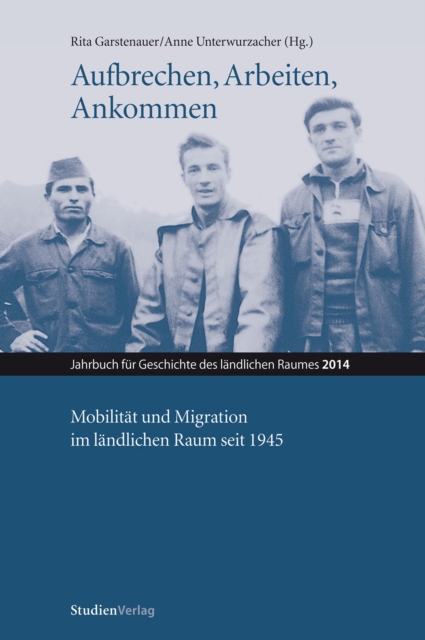
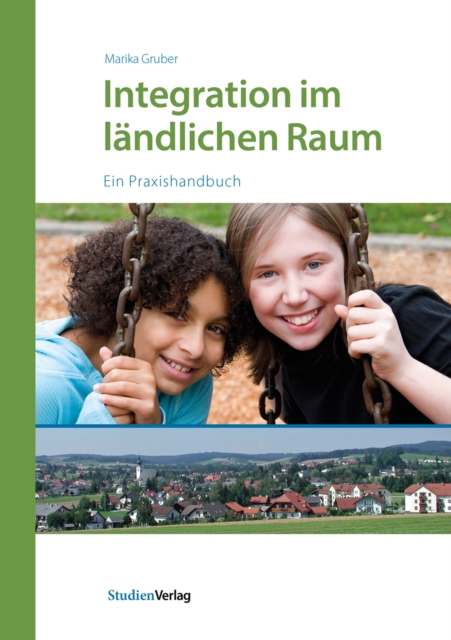
Ländliche Räume gelten oft ausschließlich als Auswanderungsregionen, von denen aus Teile der ansässigen Bevölkerung auf direktem Weg in die städtischen Zentren wandern.
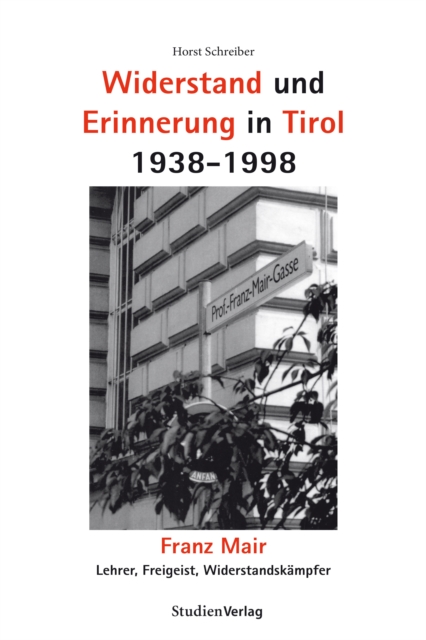
Detailreich und fesselnd entreißt der Autor Leben und Wirken eines Mannes dem Vergessen, der als Lehrer seiner Zeit weit voraus war und im Widerstand gegen den Nationalsozialismus Zivilcourage bewies.
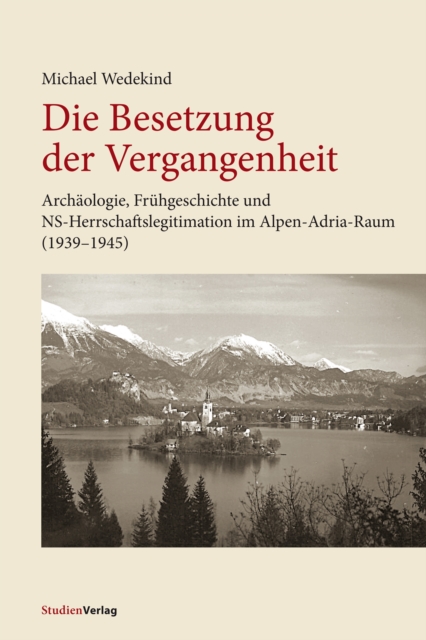
Michael Wedekind legt hiermit erstmals eine Studie zum bislang wenig erforschten Einsatz österreichischer und deutscher Archäologen und Frühhistoriker im Alpen-Adria-Raum während der Zeit des Nationalsozialismus vor.
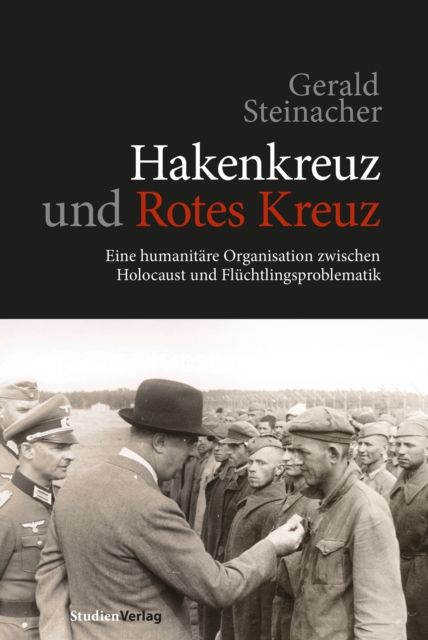
Mit seiner 150-jährigen Geschichte gehört das Internationale Komitee vom Roten Kreuz (IKRK) besonders in Kriegszeiten zu den ältesten und aktivsten Hilfsorganisationen.
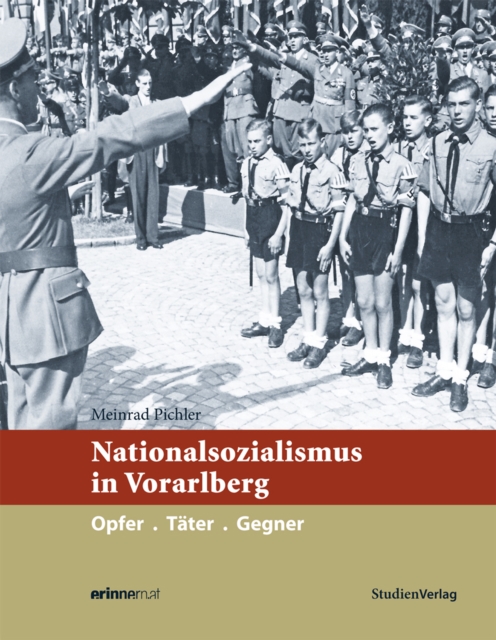
Die Geschichte der nationalsozialistischen Herrschaft in Vorarlberg neu, ansprechend und zusammenfassend erzählt - speziell für junge Leserinnen und Leser, aber auch für interessierte Erwachsene.
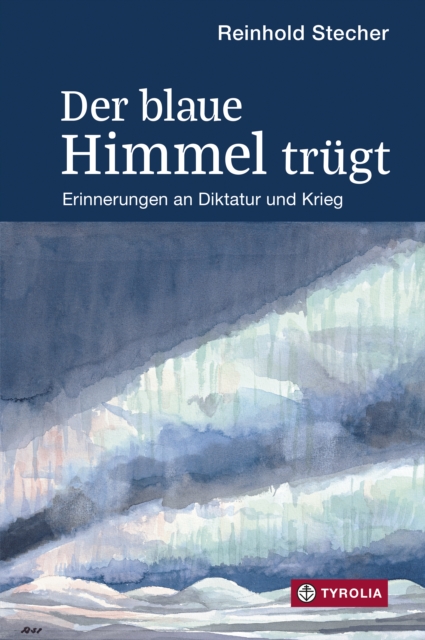
Erinnern – gedenken – mahnenWie Bischof Reinhold Stecher die NS-Diktatur und den Krieg erlebt hatAchtzig Jahre nach dem Beginn des Zweiten Weltkriegs ist und bleibt es geboten, die Erinnerung an die Gräuel und die Folgen des nationalsozialistischen Terrorregimes wach zu halten.
Zwischen 1981 und 1986 schickte der Korrespondent des ZDF in Washington, Dieter Kronzucker, neben aktuellen Tagesberichten seine «Bilder aus Amerika» nach Deutschland.
Meisterstücke historischer EssayistikNüchtern und doch mitreißend setzt Sebastian Haffner sich mit markanten Personen und Ereignissen aus Geschichte und Zeitgeschichte auseinander, greift politische Probleme, Phänomene und Theorien auf.
«Hiob», die Geschichte der ostjüdischen Familie Singer, die kurz vor dem Ersten Weltkrieg beginnt und ins amerikanische Exil führt, ist Joseph Roths berühmtester Roman.
Das schwache starke Geschlecht – ein längst überfälliges Buch: Jahrzehntelang galten Mädchen als das schwächere Geschlecht, die Jungen als stark – jetzt haben sich die Verhältnisse umgekehrt.
Der Nahe Osten vor dem KollapsSouverän und eindringlich schildert und analysiert Rainer Hermann die bedrohliche, aktuelle Lage der Staaten im Nahen Osten und Afrika und zeigt die Auswirkungen einer drohenden Implosion der arabischen Welt für Deutschland und Europa: die große Herausforderung der Zukunft.
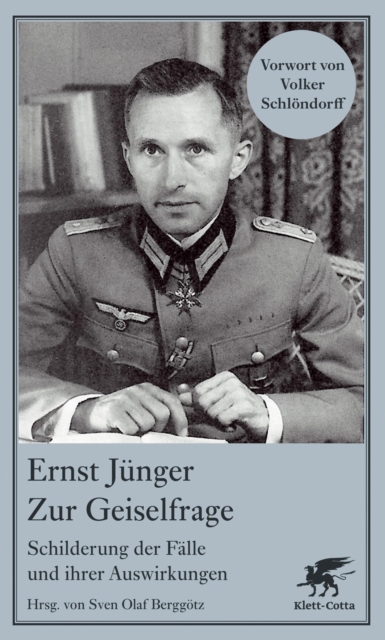
»Mit politischem Blick, souveräner Sachkenntnis und minuziöser Kleinarbeit« verfasst (Hans Speidel), führt die Schrift auf diese Weise ins Zentrum einer Situation, in der man - so Jünger rückblickend - »eigentlich nur Fehler machen kann, ob man handelt oder nicht handelt«.
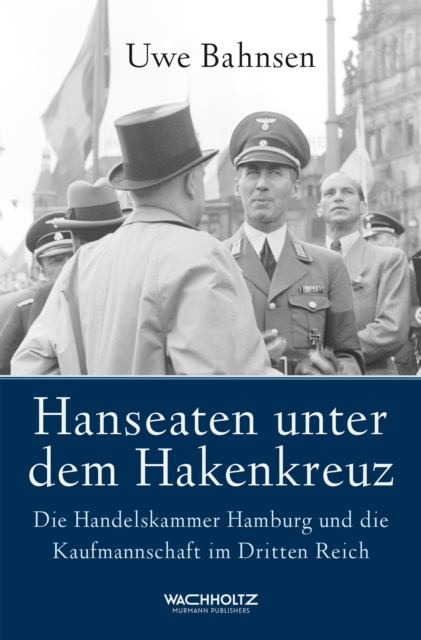
Die »Firma Hamburg« in schwerer SeeFür die mittlerweile 350-jährige Geschichte der Handelskammer Hamburg verlief keine Zeit so folgenschwer wie die Jahre von 1932 bis 1948.