The inspiring, uplifting true story of a group of London girls dispatched to a children's home in rural England during the Blitz, and meet the formidable nurse and Lady in Waiting who transformed their lives forever .
"e;Sharp and engaging"e; - The Times"e;The intricately-reported, elegantly-crafted story of the website that came out of nowhere, to change everything.
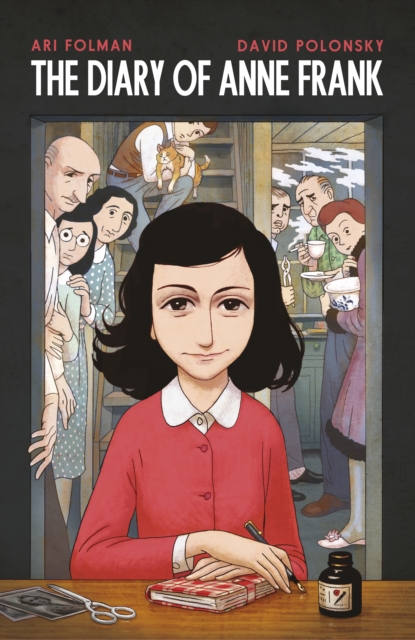
The First Graphic Adaptation of the Multi-Million Bestseller'12th June, 1942: I hope I will be able to confide everything to you, as I have never been able to confide in anyone, and I hope you will be a great source of comfort and support.
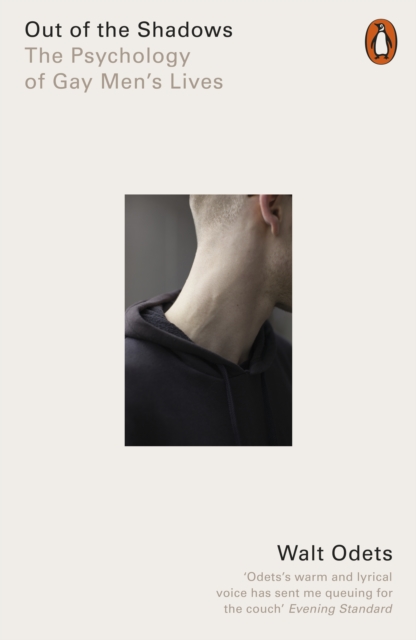
'A gay man could read this book as if his life depended on it - and perhaps it does' Andrew Holleran, author of Dancer from the Dance'Poignant and achingly beautiful' The New York Times Even in our modern progressive world, it's not easy to be a gay man.
Although the young Edward VI's death in 1553 led to resounding defeat for his Protestant allies, his reign has a significance out of all proportion to its brief six-year span.
First published in 1972 under the title TOTAL WAR, THE PENGUIN HISTORY OF THE SECOND WORLD WAR was designed by its authors to show a rising generation why the Second World War happened and how it was conducted.
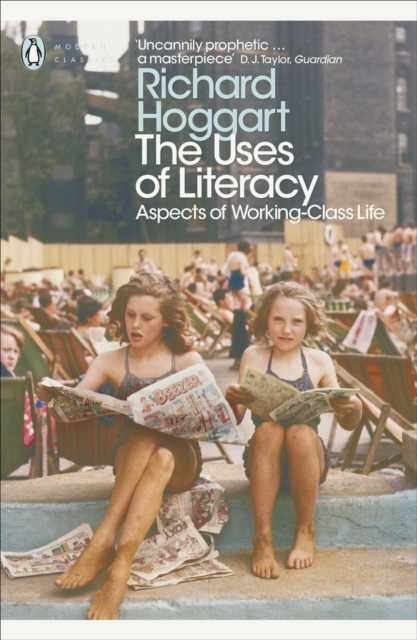
Step into the everyday lives of East End Londoners during the Second World War 'I wanted to write about a time and a place when living in such a street - or rather a community - would have been part of so-called ordinary working people's everyday experience, but when the circumstances couldn't exactly be described as normal.
A NEW YORK TIMES BESTSELLERWINNER OF THE DUKE OF WELLINGTON MEDAL FOR MILITARY HISTORYSHORTLISTED FOR THE GILDER LEHRMAN PRIZE FOR MILITARY HISTORY'A masterpiece.
How China is using the US-led war on terror to erase the cultural identity of its Muslim minority in the Xinjiang regionWithin weeks of the September 11 attacks on New York and Washington, the Chinese government warned that it faced a serious terrorist threat from its Uyghur ethnic minority, who are largely Muslim.
Since German reunification in 1990, there has been widespread concern about marginalized young people who, faced with bleak prospects for their future, have embraced increasingly violent forms of racist nationalism that glorify the country's Nazi past.
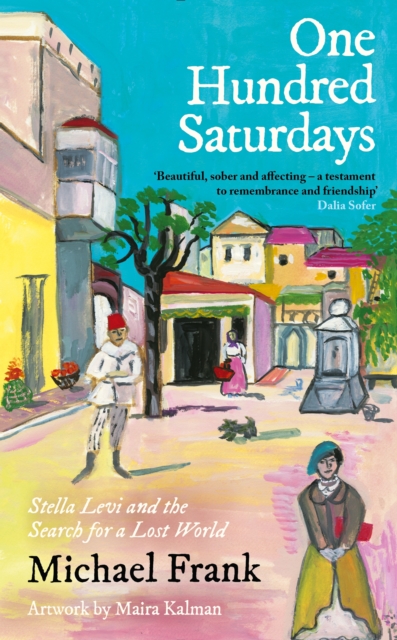
SHORTLISTED FOR THE WINGATE LITERARY PRIZE 2024A WALL STREET JOURNAL BOOK OF THE YEARNATIONAL JEWISH BOOK AWARD WINNER'Beautiful, sober and affecting - a testament to remembrance and friendship' - DALIA SOFER'A momentous historic retrieval and work of literary art' - PHILLIP LOPATENearly a century of life behind her, Stella Levi had never shared the full details of her past with anyone.
Der Band behandelt den wechselseitigen Austausch des Kronlands Galizien und Lodomerien mit den Nachbarregionen und zeigt seine Bewohner als aktive Akteure soziokultureller und multiethnischer Interaktionen.
Das Verhältnis zwischen den Religionsgemeinschaften als soziale Konkretisierungsformen des Abstractums "Religion" und den Menschenrechten muss gerade in unseren Tagen aus einer sozialethischen Perspektive neu und präzise bestimmt werden.
"Renaissance, Niedergang, Transformation, Deinstitutionalisierung, Entprivatisierung, Bricolage - die Erwartungen an das Schicksal der Religion in der modernen Zivilisation sind vielfältig.
Una meticulosa y documentada investigación histórica que nos muestra uno de los aspectos más desconocidos y menos estudiados de la Segunda Guerra Mundial, el de la posterior desnazificación de la sociedad alemana.
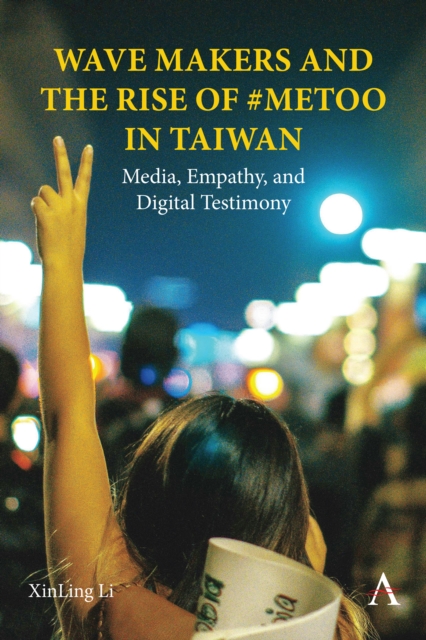
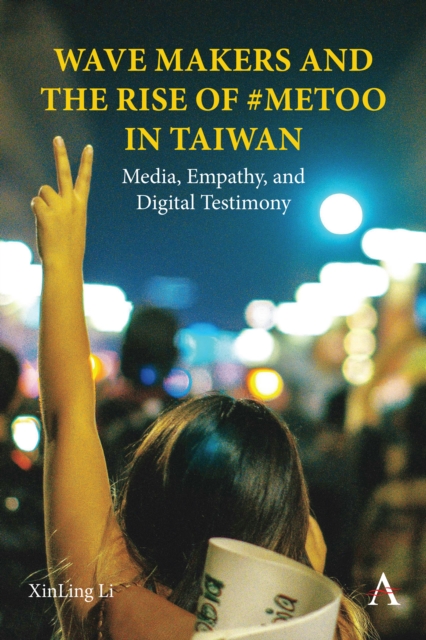
The book presents an original study of the #MeToo movement in Taiwan, focusing on how the movement was instigated by and communicated in the wake of the Taiwanese Netflix series Wave Makers.
The book presents an original study of the #MeToo movement in Taiwan, focusing on how the movement was instigated by and communicated in the wake of the Taiwanese Netflix series Wave Makers.