This book examines the efficacy of the Rajya Sabha as a federal second chamber in India, evaluating the effectiveness it embodies and sustains legislative federalism over time.
This book explores the evolving concept of diaspora in the 21st century, moving beyond traditional understandings of scattering and alienation to introduce the idea of "e;post-diaspora"e;.
This book explores the evolving concept of diaspora in the 21st century, moving beyond traditional understandings of scattering and alienation to introduce the idea of "e;post-diaspora"e;.
This book examines the efficacy of the Rajya Sabha as a federal second chamber in India, evaluating the effectiveness it embodies and sustains legislative federalism over time.
The book breaks new ground in our understanding of transnational and cross-border marriages by looking at the long-term effects of such marriages on communities, families, and individuals.
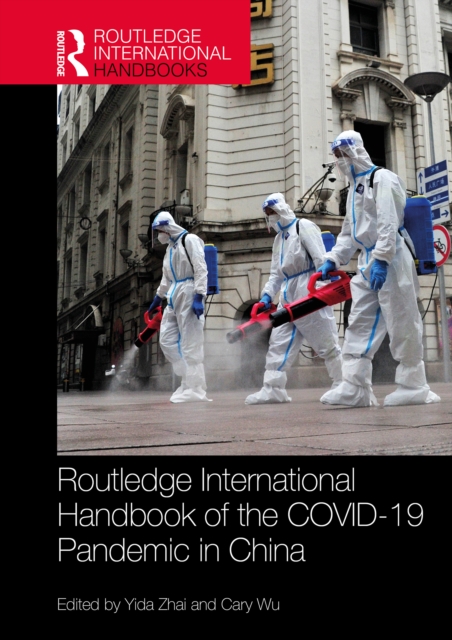
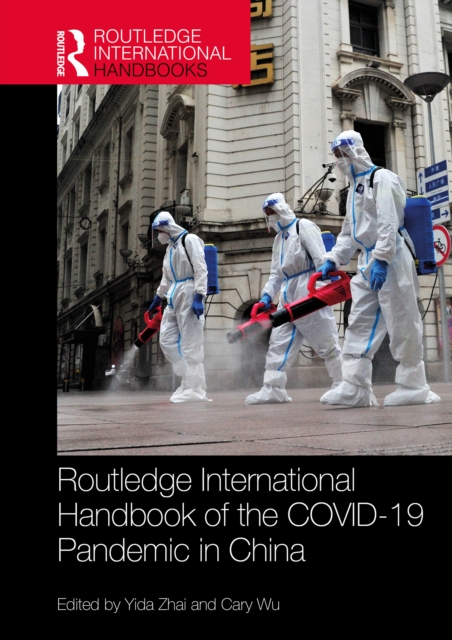
The COVID-19 pandemic originated in China, yet the global community remains largely unaware of the challenges and experiences faced by its citizens during this unprecedented period.
The COVID-19 pandemic originated in China, yet the global community remains largely unaware of the challenges and experiences faced by its citizens during this unprecedented period.
This book examines the rapid growth and rising global visibility of Africa's cultural and creative industries (CCIs) and how they are reshaping debates on economic and cultural development across the continent.
The book breaks new ground in our understanding of transnational and cross-border marriages by looking at the long-term effects of such marriages on communities, families, and individuals.
This groundbreaking volume offers an innovative exploration of sustainability challenges through complementary lenses that traditional approaches have often kept separate.
Abdullah Ocalan and the Making of the PKK: A Political Biography offers a powerful and original account of one of the most influential and controversial figures in Middle Eastern politics.
This groundbreaking volume offers an innovative exploration of sustainability challenges through complementary lenses that traditional approaches have often kept separate.
When Charles Ping first arrived at Ohio University in 1975, the university was experiencing a decline in student enrollment and confronting serious financial challenges.
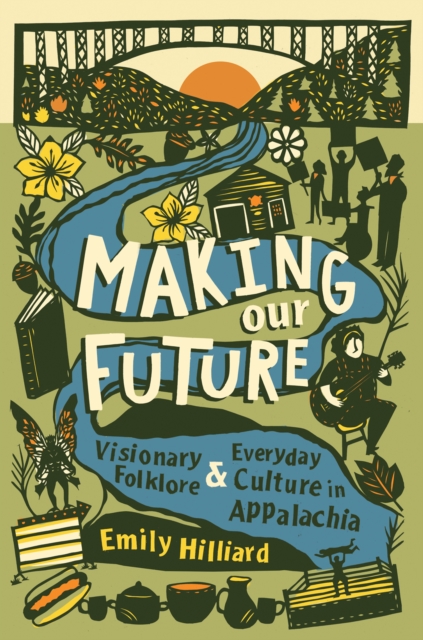
Drawing from her work as state folklorist, Emily Hilliard explores contemporary folklife in West Virginia and challenges the common perception of both folklore and Appalachian culture as static, antiquated forms, offering instead the concept of visionary folklore as a future-focused, materialist, and collaborative approach to cultural work.
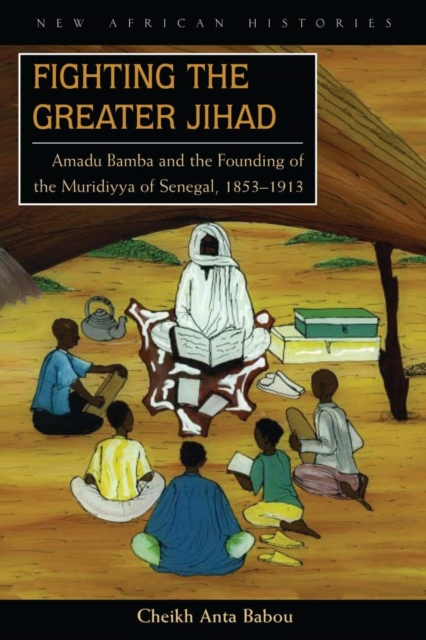
In Senegal, the Muridiyya, a large Islamic Sufi order, is the single most influential religious organization, including among its numbers the nation's president.
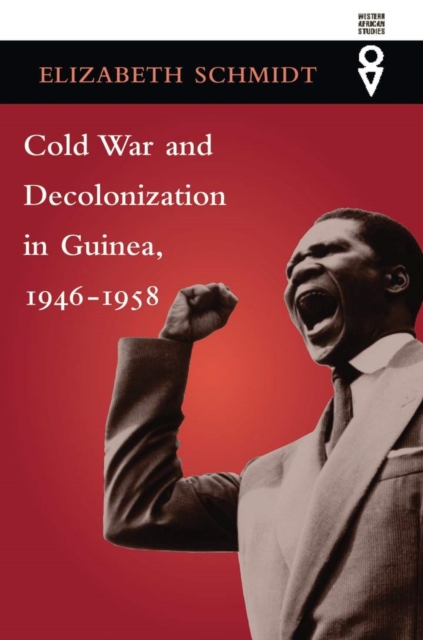
In September 1958, Guinea claimed its independence, rejecting a constitution that would have relegated it to junior partnership in the French Community.
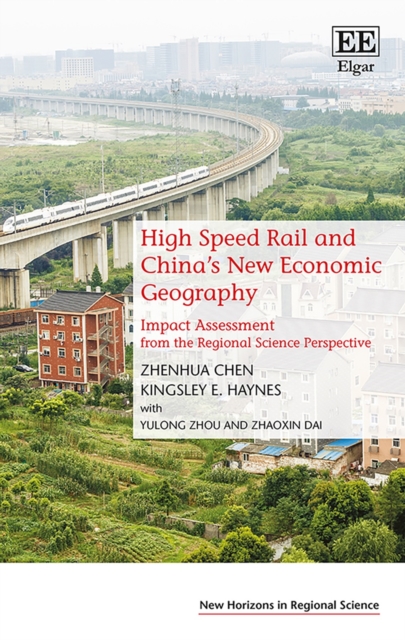
High Speed Rail and China's New Economic Geography presents an analytical approach to assessing the socioeconomic impact of high speed rail in China, with an emphasis on capturing the spatial spillover effects of rail infrastructure development on China's economic geography in terms of land use, housing market, tourism, regional disparity, modal competition, the economy and environment.
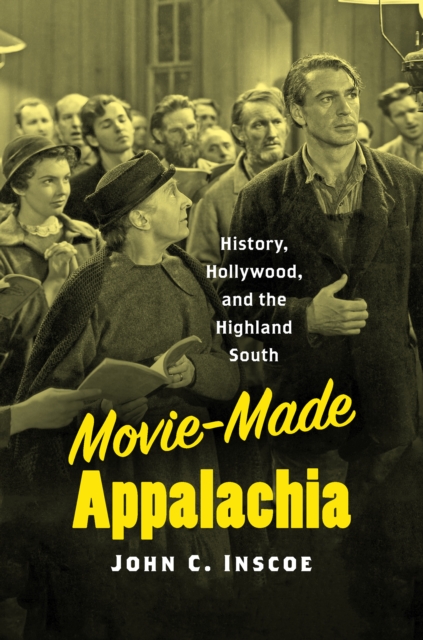
While Hollywood deserves its reputation for much-maligned portrayals of southern highlanders on screen, the film industry also deserves credit for a long-standing tradition of more serious and meaningful depictions of Appalachias people.
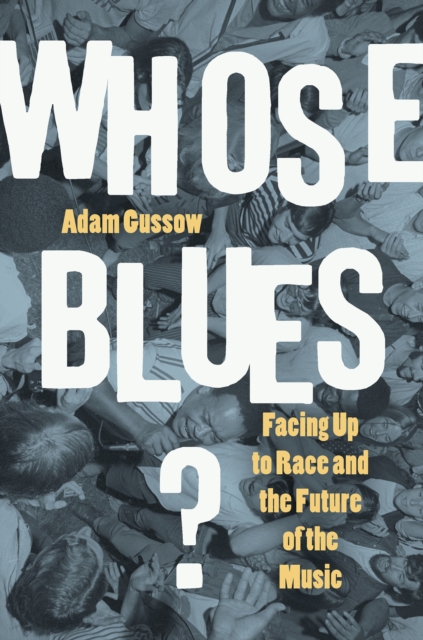
Mamie Smith’s pathbreaking 1920 recording of “Crazy Blues” set the pop music world on fire, inaugurating a new African American market for “race records.
High Speed Rail and China's New Economic Geography presents an analytical approach to assessing the socioeconomic impact of high speed rail in China, with an emphasis on capturing the spatial spillover effects of rail infrastructure development on China's economic geography in terms of land use, housing market, tourism, regional disparity, modal competition, the economy and environment.
Drawing from her work as state folklorist, Emily Hilliard explores contemporary folklife in West Virginia and challenges the common perception of both folklore and Appalachian culture as static, antiquated forms, offering instead the concept of visionary folklore as a future-focused, materialist, and collaborative approach to cultural work.
While Hollywood deserves its reputation for much-maligned portrayals of southern highlanders on screen, the film industry also deserves credit for a long-standing tradition of more serious and meaningful depictions of Appalachias people.
Mamie Smith’s pathbreaking 1920 recording of “Crazy Blues” set the pop music world on fire, inaugurating a new African American market for “race records.
This book examines the rapid growth and rising global visibility of Africa's cultural and creative industries (CCIs) and how they are reshaping debates on economic and cultural development across the continent.
The Routledge Handbook of African Borderlands provides a comprehensive analysis of the factors shaping the past, present, and future of African borderlands, in all their complexity.
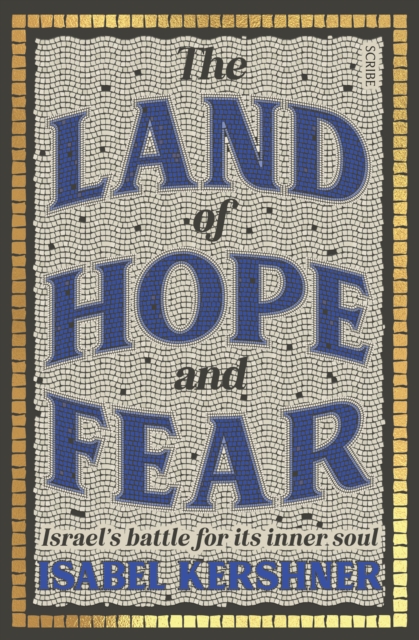
A highly decorated Israeli military officer, leader, and former director of the internal security service, Shin Bet, sees the light on what his country must do to achieve a lasting peace between Israel and the Palestinians.
During the 1950s, when less than 20 percent of American high school graduates attended college, a group of ambitious young African Americans enrolled at Ohio University, a predominantly white school in Athens, Ohio.
When Charles Ping first arrived at Ohio University in 1975, the university was experiencing a decline in student enrollment and confronting serious financial challenges.
Abdullah Ocalan and the Making of the PKK: A Political Biography offers a powerful and original account of one of the most influential and controversial figures in Middle Eastern politics.
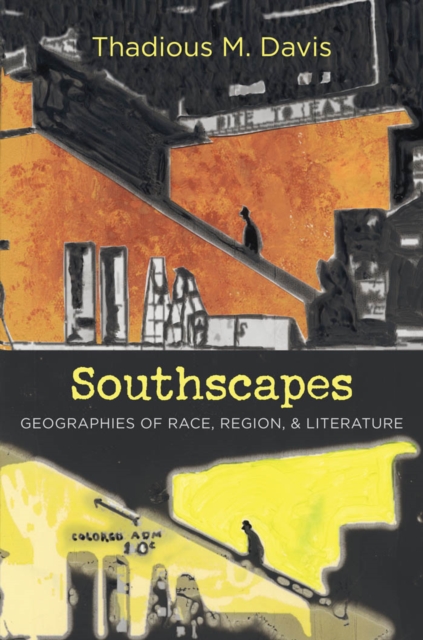
In this innovative approach to southern literary cultures, Thadious Davis analyzes how black southern writers use their spatial location to articulate the vexed connections between society and environment, particularly under segregation and its legacies.