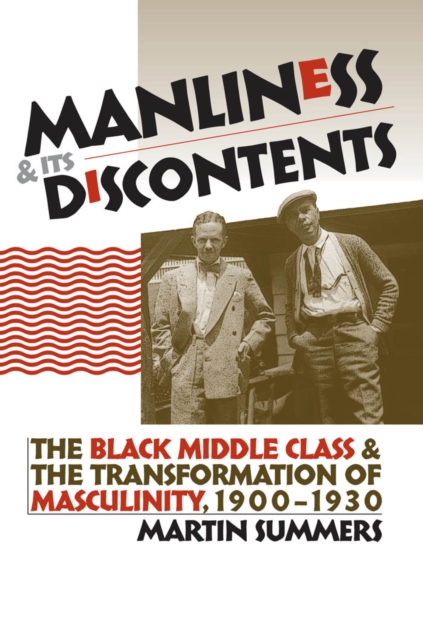
In a pathbreaking new assessment of the shaping of black male identity in the early twentieth century, Martin Summers explores how middle-class African American and African Caribbean immigrant men constructed a gendered sense of self through organizational life, work, leisure, and cultural production.
This book examines the implementation of immigration policy in Mexico through an ethnographic and relational lens, focusing on the subjectivities of state officials.
This volume examines the similarities between the Indian and Latin American philosophical traditions while also highlighting how these similarities have materialized differently in the Indian or in the Latin American context.
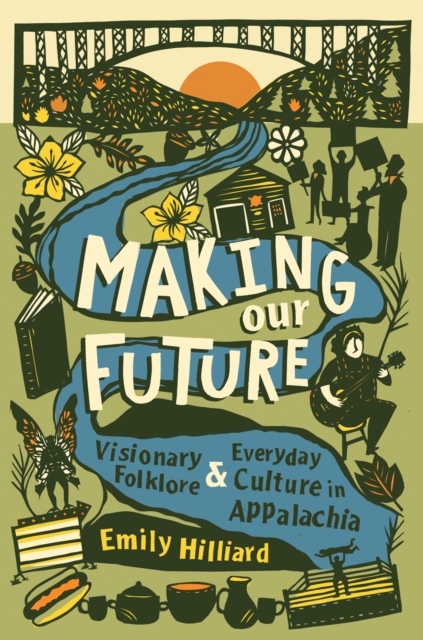
Drawing from her work as state folklorist, Emily Hilliard explores contemporary folklife in West Virginia and challenges the common perception of both folklore and Appalachian culture as static, antiquated forms, offering instead the concept of visionary folklore as a future-focused, materialist, and collaborative approach to cultural work.
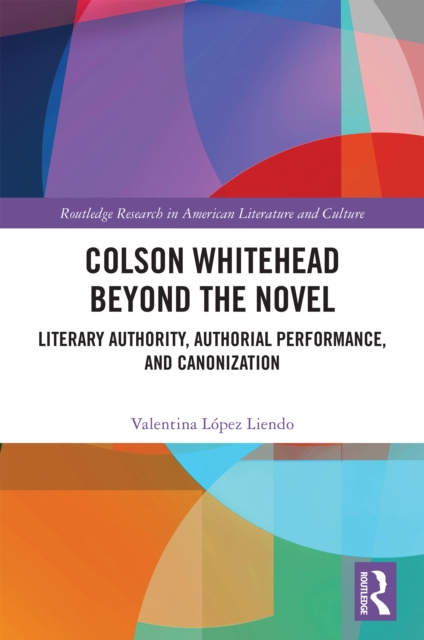
Colson Whitehead Beyond the Novel: Literary Authority, Authorial Performance, and Canonization traces this author's remarkable trajectory from an acclaimed yet little-known writer to cultural force, examining the workings of contemporary literary authority.
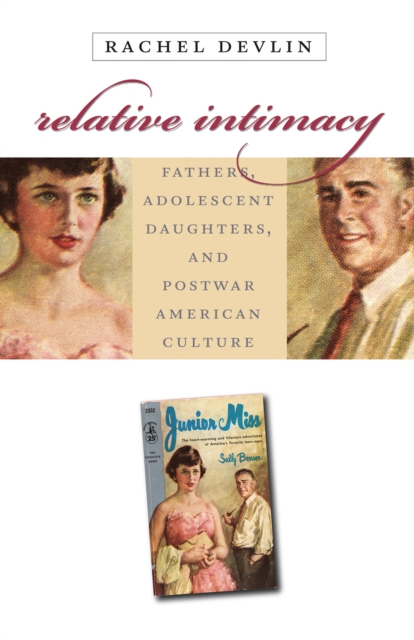
Celebrated as new consumers and condemned for their growing delinquencies, teenage girls emerged as one of the most visible segments of American society during and after World War II.
This volume examines the similarities between the Indian and Latin American philosophical traditions while also highlighting how these similarities have materialized differently in the Indian or in the Latin American context.
Chew, Shangeetha and Pillai offer valuable insights into the future of language use and development in Southeast Asia, one of the most diverse and culturally rich regions with differing socio-economic and political ecologies.
Mamie Smith’s pathbreaking 1920 recording of “Crazy Blues” set the pop music world on fire, inaugurating a new African American market for “race records.
Intervening in debates across literary trauma theory and ecocriticism, this book argues that in an age increasingly defined by the impacts of anthropogenic climate change on society and ecology, it is necessary to graft the ethical concerns of trauma studies onto the lessons of ecocriticism, especially in the context of African literatures.
South Africa's Suspended Revolution tells the story of South Africa's democratic transition and the prospects for the country to develop a truly inclusive political system.
On a freezing winter's night, a few hours before dawn on May 12, 1969, South African security police stormed the Soweto home of Winnie Madikizela-Mandela, activist and wife of the imprisoned Nelson Mandela, and arrested her in the presence of her two young daughters, then aged nine and ten.
The helmet-shaped mapiko masks of Mozamxadbique have garnered admiration from African art scholars and collectors alike, due to their striking aesthetics and their grotesque allure.
Japanese Culture: The Religious and Philosophical Foundations takes readers on a thoroughly researched and extremely readable journey through Japan's cultural history.
Japanese Culture: The Religious and Philosophical Foundations takes readers on a thoroughly researched and extremely readable journey through Japan's cultural history.
Blue Ridge tacos, kimchi with soup beans and cornbread, family stories hiding in cookbook marginalia, African American mountain gardens-this wide-ranging anthology considers all these and more.
Chew, Shangeetha and Pillai offer valuable insights into the future of language use and development in Southeast Asia, one of the most diverse and culturally rich regions with differing socio-economic and political ecologies.
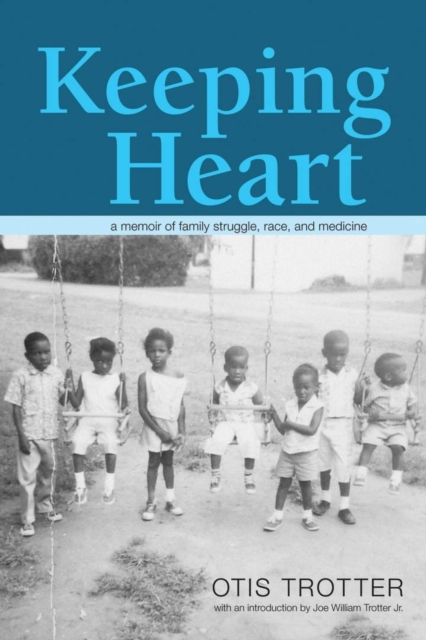
"e;After saying our good-byes to friends and neighbors, we all got in the cars and headed up the hill and down the road toward a future in Ohio that we hoped would be brighter,"e; Otis Trotter writes in his affecting memoir, Keeping Heart: A Memoir of Family Struggle, Race, and Medicine.
This book examines the implementation of immigration policy in Mexico through an ethnographic and relational lens, focusing on the subjectivities of state officials.
In this innovative approach to southern literary cultures, Thadious Davis analyzes how black southern writers use their spatial location to articulate the vexed connections between society and environment, particularly under segregation and its legacies.
Half of Indonesia's massive population still lives on farms, and for these tens of millions of people the revolutionary promise of land reform remains largely unfulfilled.
In this innovative approach to southern literary cultures, Thadious Davis analyzes how black southern writers use their spatial location to articulate the vexed connections between society and environment, particularly under segregation and its legacies.
Blue Ridge tacos, kimchi with soup beans and cornbread, family stories hiding in cookbook marginalia, African American mountain gardens-this wide-ranging anthology considers all these and more.
"e;After saying our good-byes to friends and neighbors, we all got in the cars and headed up the hill and down the road toward a future in Ohio that we hoped would be brighter,"e; Otis Trotter writes in his affecting memoir, Keeping Heart: A Memoir of Family Struggle, Race, and Medicine.
South Africa's Suspended Revolution tells the story of South Africa's democratic transition and the prospects for the country to develop a truly inclusive political system.
On a freezing winter's night, a few hours before dawn on May 12, 1969, South African security police stormed the Soweto home of Winnie Madikizela-Mandela, activist and wife of the imprisoned Nelson Mandela, and arrested her in the presence of her two young daughters, then aged nine and ten.
The helmet-shaped mapiko masks of Mozamxadbique have garnered admiration from African art scholars and collectors alike, due to their striking aesthetics and their grotesque allure.
Sierra Leone's unique history, especially in the development and consolidation of British colonialism in West Africa, has made it an important site of historical investigation since the 1950s.
In this innovative approach to southern literary cultures, Thadious Davis analyzes how black southern writers use their spatial location to articulate the vexed connections between society and environment, particularly under segregation and its legacies.
Half of Indonesia's massive population still lives on farms, and for these tens of millions of people the revolutionary promise of land reform remains largely unfulfilled.
Intervening in debates across literary trauma theory and ecocriticism, this book argues that in an age increasingly defined by the impacts of anthropogenic climate change on society and ecology, it is necessary to graft the ethical concerns of trauma studies onto the lessons of ecocriticism, especially in the context of African literatures.
Sierra Leone's unique history, especially in the development and consolidation of British colonialism in West Africa, has made it an important site of historical investigation since the 1950s.
Between 1931 and 1937, Nationalist China was caught between Japanese imperial expansion and the unpredictable intentions of the Soviet Union, facing an increasingly hostile external environment.
This timely book analyses the state of refugee child integration in the education system in urban primary schools in Uganda, debating policies both pre- and post-COVID, and giving voice to narratives often marginalized in debates concerning refugees in educational spaces in the Global South.