An accessible and accurate translation of the Quran that offers a rigorous analysis of its theological, metaphysical, historical, and geographical teachings and backgrounds, and includes extensive study notes, special introductions by experts in the field, and is edited by a top modern Islamic scholar, respected in both the West and the Islamic world.
In this authoritative look at the roots of modern terrorism, Yossef Bodansky, one of the most respectedand best-informedexperts on radical Islamism in the world today, pinpoints the troubled region of Chechnya as a dangerous and little-understood crucible of terror in the struggle between East and West.
In a series of powerful accounts drawn from diaries, letters, sound archives and interviews recorded during the period of devastation, discovery and transformation that make the blitz such an outstanding event in Britain's recent past, "e;The Blitz"e; brings to life the intense experiences, as they happened all over Britain.
'There is no doubt that [Quartered Safe Out Here] is one of the great personal memoirs of the Second World War' John KeeganLife and death in Nine Section, a small group of hard-bitten and (to modern eyes) possibly eccentric Cumbrian borderers with whom the author, then nineteen, served in the last great land campaign of World War II, when the 17th Black Cat Division captured a vital strongpoint deep in Japanese territory, held it against counter-attack and spearheaded the final assault in which the Japanese armies were, to quote General Slim, "e;torn apart"e;.
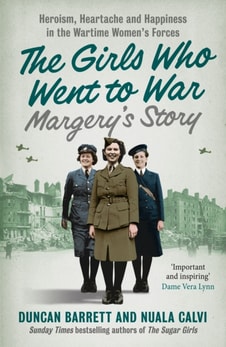
From the bestselling authors of The Sugar Girls and GI Brides, this is Margery's story, one of three true accounts from the book The Girls Who Went to War.
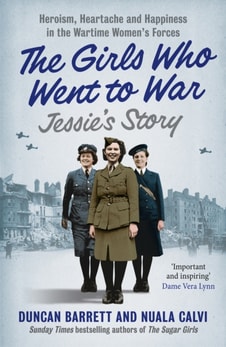
From the bestselling authors of The Sugar Girls and GI Brides, this is Jessie's story, one of three true accounts from the book The Girls Who Went to War.
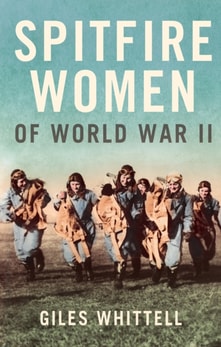
This is the incredible true story of a wartime sisterhood of women pilots: a group of courageous pioneers who took exceptional risks to fly Spitfires, Hurricanes and Lancasters to the frontlines of World War II.
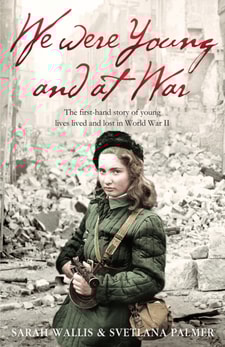
Never before have the diaries and letters of young people from all sides of World War Two been woven together to provide an account of what it was like to grow up amidst the daily struggles and horrors of this devastating war.
Patrick Bishop looks at the lives and the extraordinary risks that the painfully young pilots of Bomber Command took during the air-offensive against Germany from 1940-1945.
Derived from theologian Wayne Grudem's Politics-According to the Bible, this digital short outlines five misguided approaches Christians take to politics and a way that is both more biblical and better for society.
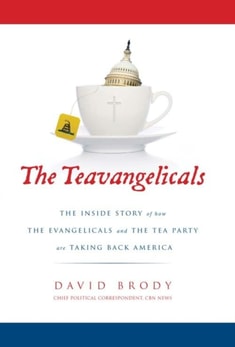
The Teavangelicals is a one-of-a-kind book chock-full of original reporting from the 2012 presidential race with an up-close look at how evangelicals and the Tea Party are plotting strategy to reclaim America.
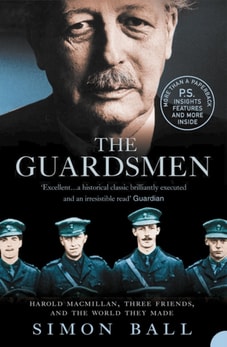
From the playing fields of Eton via the horrors of the Western Front to the pinnacle of political power in 20th-century Britain - a brilliant collective biography of Harold Macmillan, Lord Salisbury, Oliver Lyttleton and Harry Crookshank.
A gripping history of the Mediterranean campaigns from the first rumblings of conflict through the Second World War and into the uneasy peace of the late 1940s.
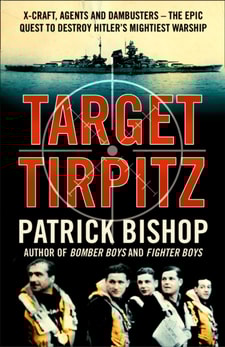
A gripping account of the epic hunt for Hitler's most terrifying battleship - the legendary Tirpitz - and the brave men who risked their lives to attack and destroy this most potent symbol of the Nazi's fearsome war machine.
Seit den ersten christlichen Missionen im mittelalterlichen Kiew bis zur entscheidenden Abgrenzung zwischen Ost und West steht die ruthenische Kirche an einer einzigartigen Schnittstelle der Religionsgeschichte.