Why populations brutalized in war elect their tormentorsOne of the great puzzles of electoral politics is how parties that commit mass atrocities in war often win the support of victimized populations to establish the postwar political order.
A new and comprehensive look at the reasons behind successful or failed nation buildingNation Building presents bold new answers to an age-old question.
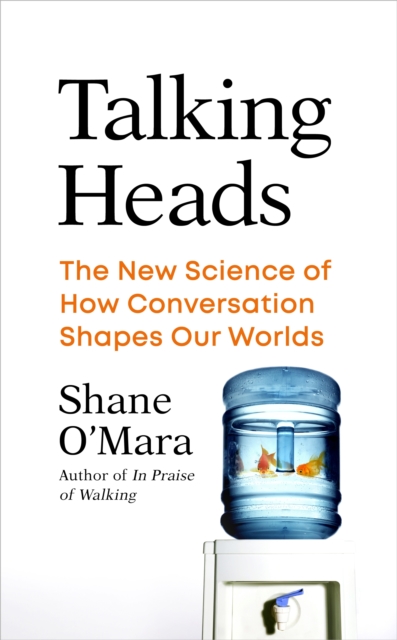
How our ability to learn from each other has been the essential ingredient to our remarkable success as a speciesHuman beings are a very different kind of animal.
An innovative and accessible textbook on multimethod and case-study researchMultimethod research has become indispensable to doing social science, and is essential to anyone who conducts large-scale research projects in political science, sociology, education, comparative law, or business.
The Final Volume of the Groundbreaking Trilogy on Agent-Based ModelingIn this pioneering synthesis, Joshua Epstein introduces a new theoretical entity: Agent_Zero.
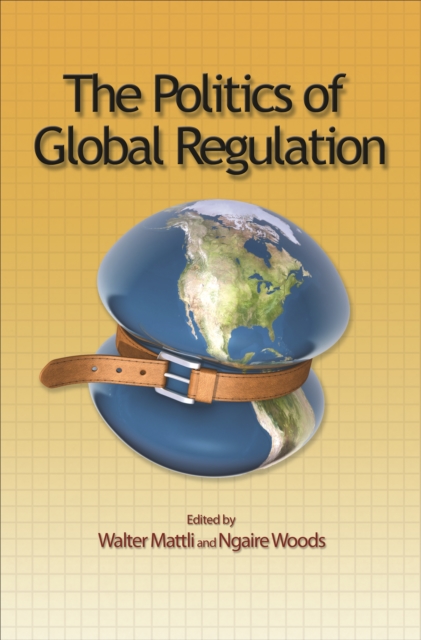
Regulation by public and private organizations can be hijacked by special interests or small groups of powerful firms, and nowhere is this easier than at the global level.
How China is using the US-led war on terror to erase the cultural identity of its Muslim minority in the Xinjiang regionWithin weeks of the September 11 attacks on New York and Washington, the Chinese government warned that it faced a serious terrorist threat from its Uyghur ethnic minority, who are largely Muslim.
Congress, the Press, and Political Accountability is the first large-scale examination of how local media outlets cover members of the United States Congress.
Since German reunification in 1990, there has been widespread concern about marginalized young people who, faced with bleak prospects for their future, have embraced increasingly violent forms of racist nationalism that glorify the country's Nazi past.
A book that fundamentally changes how neuroscientists and psychologists categorize sensations and understand the origins and significance of human feelingsHow Do You Feel?
Gunumuzde, yeni nesiller, daha dogrusu esigi atlamis bir kesim, Kainati da kapsayacak sekilde artik genis ufuklu bir perspektife sahipler, teknoloji ve kitaplar sayesinde Oyle ki, bu yeni cagla birlikte dua ve ibadetin de belirli bir yeri ve zamani yok.
Of great utility for every scientist faced with publicizing their discoveries via the media, this book addresses questions of responsibility for the balance and accuracy of scientific reporting, and attempts to be a guide for the scientist in their quest to inform the general public about their research in honest, truthful, and still interesting ways.
During World War II, training in the black arts of covert operation was vital preparation for the ungentlemanly warfare waged by the Special Operations Executive (SOE) against Hitlers Germany and Tojos Japan.
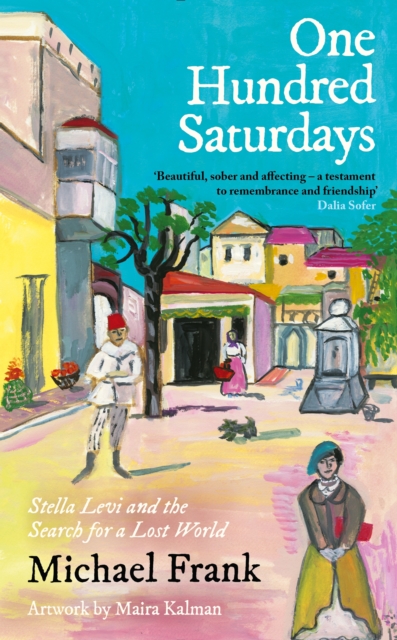
SHORTLISTED FOR THE WINGATE LITERARY PRIZE 2024A WALL STREET JOURNAL BOOK OF THE YEARNATIONAL JEWISH BOOK AWARD WINNER'Beautiful, sober and affecting - a testament to remembrance and friendship' - DALIA SOFER'A momentous historic retrieval and work of literary art' - PHILLIP LOPATENearly a century of life behind her, Stella Levi had never shared the full details of her past with anyone.
Un ensayo perspicaz y convincente que acerca tanto a gamers como a analógicos al medio cultural que más impacto económico y social tiene en el mundo: los videojuegos.
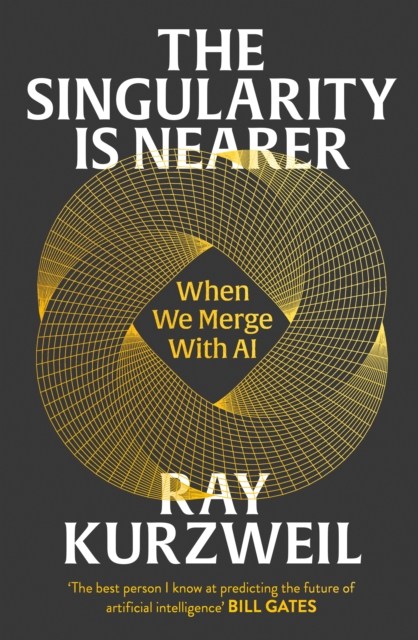
In this visionary and fundamentally optimistic book, the legendary oracle of technological change explains how AI will transform our species beyond recognition.
Wahrheit, Lüge & Vernunft - Über die Macht der ManipulationWir alle sind Fakten und Emotionen ausgesetzt und nicht immer sind die Grenze zwischen Wahrheit und Täuschung klartrennbar.