Introducing Israel Armstrong, one of literature's most unlikely detectives in the first of a series of novels from the author of the critically acclaimed Ring Road.
The No Logo of climate change - a book that shows how global warming is not a theory we should still debate, but something that has already happened on a global scale.
Your morning flat-white helped shape the modern world'Elegantly written, witty and so wide in scope, so rich in detail and so thought provoking' Joanna BlythmanIt may seem like just a drink, but coffee's dark journey from the highlands of Ethiopia to the highstreets of every town in the country links alchemy and anthropology, poetry and politics, science and slavery.
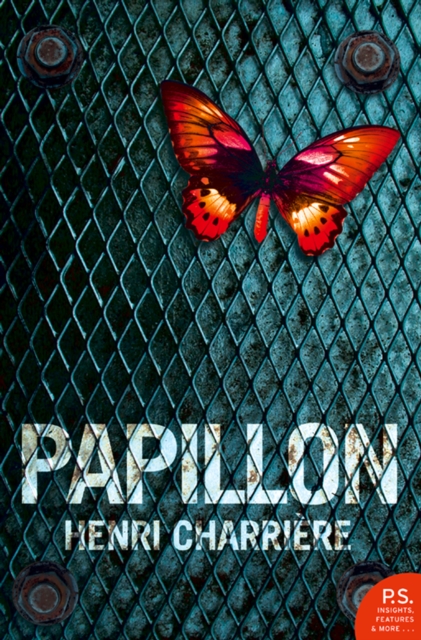
A classic memoir of prison breaks and adventure - a bestselling phenomenon of the 1960sCondemned for a murder he had not committed, Henri Charriere (nicknamed Papillon) was sent to the penal colony of French Guiana.
From Barbara De Angelis, author of 14 bestselling relationships titles and internationally-recognised relationship psychologist, comes the definitive book on compatibility.
An accessible and accurate translation of the Quran that offers a rigorous analysis of its theological, metaphysical, historical, and geographical teachings and backgrounds, and includes extensive study notes, special introductions by experts in the field, and is edited by a top modern Islamic scholar, respected in both the West and the Islamic world.
101 chance meetings, juxtaposing the famous and the infamous, the artistic and the philistine, the pompous and the comical, the snobbish and the vulgar, each 1,001 words long, and with a time span stretching from the 19th century to the 21st.
Bestselling author and renowned economist Lester Thurow argues forcefully that globalization is not a done deal and we must seize the moment now if we are to create a new global economy in which all can prosper.
In this authoritative look at the roots of modern terrorism, Yossef Bodansky, one of the most respectedand best-informedexperts on radical Islamism in the world today, pinpoints the troubled region of Chechnya as a dangerous and little-understood crucible of terror in the struggle between East and West.
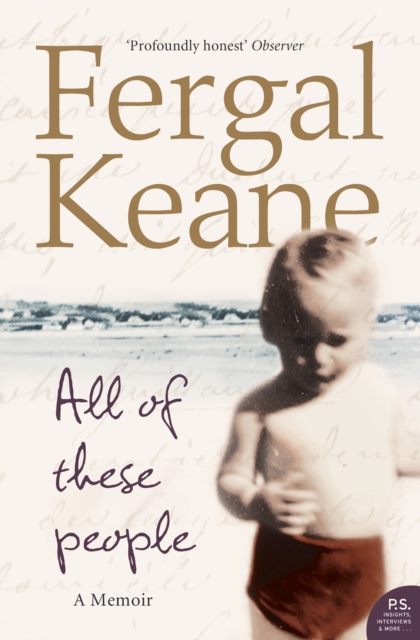
In a memoir of staggering power and candour, award-winning journalist Fergal Keane addresses his experience of wars of different kinds, some very public and others acutely personal.
From the bestselling author of Eats, Shoots and Leaves, a hilarious new book from Lynne Truss about her strange journey through the world of sport and sports journalism.
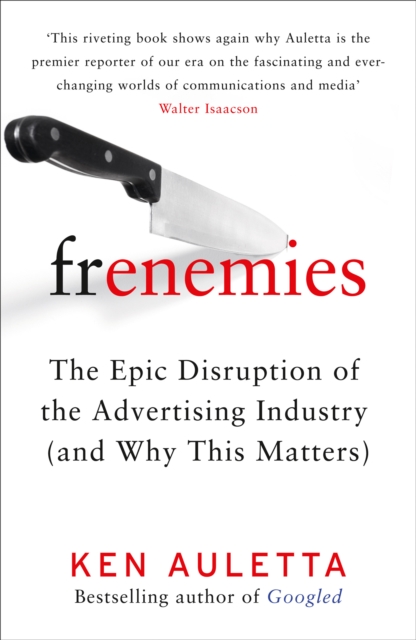
An intimate and profound reckoning with the changes buffeting the $2 trillion global advertising and marketing business from the perspective of its most powerful players, by the bestselling author of GoogledAdvertising and marketing touches on every corner of our lives, and is the invisible fuel powering almost all media.
Roseanna is the first book in the hugely acclaimed Martin Beck series: the novels that shaped the future of Scandinavian crime fiction and influenced writers from Stieg Larrson to Jo Nesbo, Henning Mankell to Lars Kepplar.
Richard Bandler, co-creator of NLP and the man who taught and trained Paul McKenna, joins forces with Alessio Roberti and Owen Fitzpatrick once again to give you the tools to change your life.
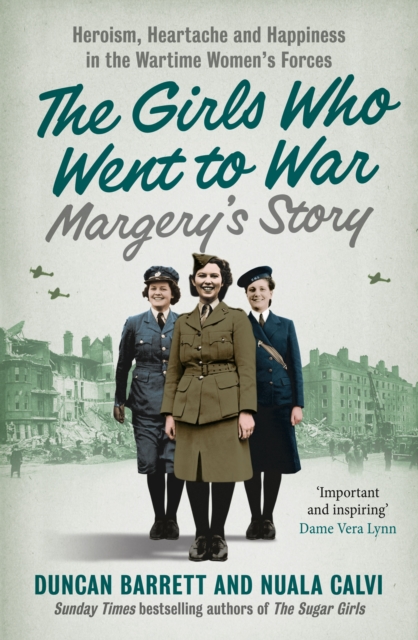
From the bestselling authors of The Sugar Girls and GI Brides, this is Margery's story, one of three true accounts from the book The Girls Who Went to War.
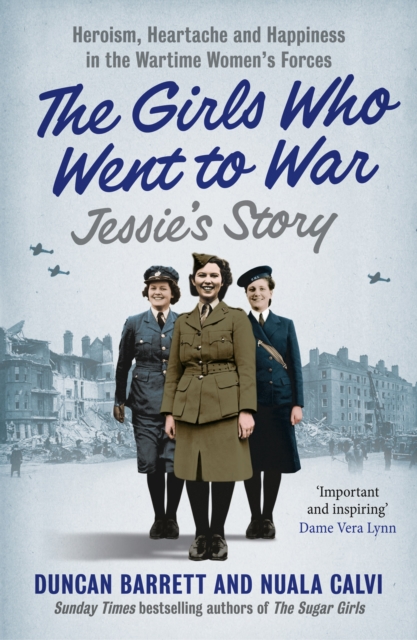
From the bestselling authors of The Sugar Girls and GI Brides, this is Jessie's story, one of three true accounts from the book The Girls Who Went to War.
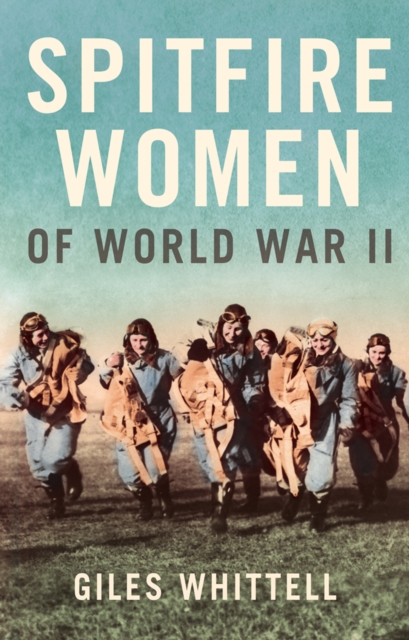
This is the incredible true story of a wartime sisterhood of women pilots: a group of courageous pioneers who took exceptional risks to fly Spitfires, Hurricanes and Lancasters to the frontlines of World War II.